
Russia Central Bank Wants Retail Crypto Limited To Bitcoin, Ethereum And USDT

0
0
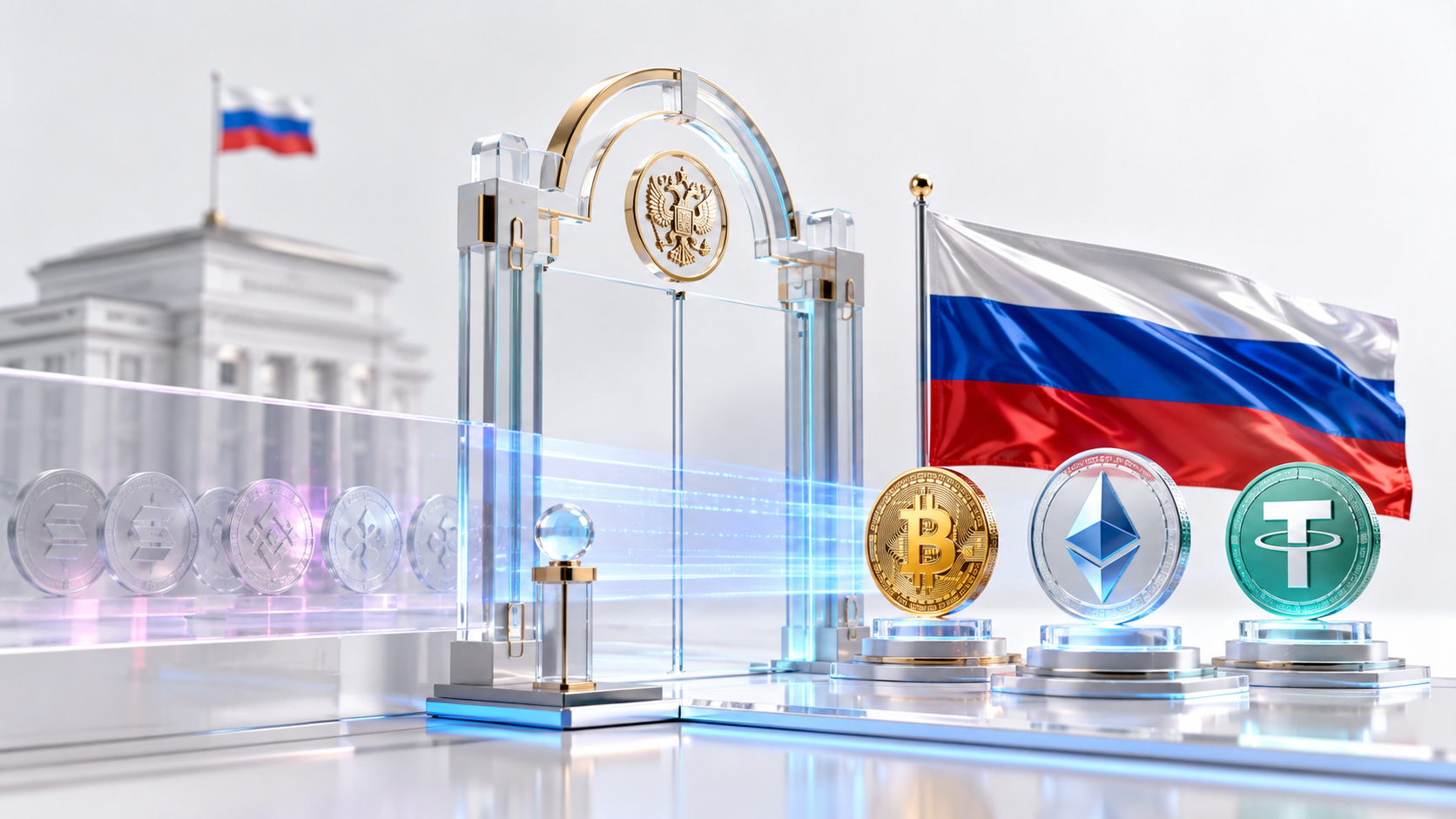
Russia’s central bank is moving toward a smaller and more controlled domestic crypto market, with ordinary investors expected to face access limits around Bitcoin, Ethereum and USDT.
The latest framework would leave non-qualified investors with only three crypto assets: Bitcoin, Ethereum and USDT. Vladimir Chistyukhin, First Deputy Governor of the Bank of Russia, said the regulator could receive authority to expand that list later, but does not plan to use that power at the start of the new regime.
The structure is part of Russia’s broader bill on digital currency and digital rights, which was submitted to the State Duma in April and is designed to replace Russia’s patchwork approach to crypto with licensed intermediaries, digital depositories and stricter investor categories.
The policy does not mean Russia is opening a free retail crypto market. It means Moscow is trying to pull some crypto activity into regulated channels while limiting what ordinary investors can buy, how much they can buy and where they can buy it.
Retail Access Would Be Narrow By Design
The proposed structure separates non-qualified investors from professional and qualified investors. Ordinary investors would be restricted to the most liquid assets and would face an annual purchase cap of 300,000 rubles through one intermediary. Qualified investors would have broader access, while anonymous crypto assets are expected to remain outside the permitted framework.
That design gives Russian regulators three forms of control. First, retail investors are pushed toward the largest assets rather than smaller tokens. Second, legal access moves through licensed brokers, exchanges, trust managers and crypto exchange operators. Third, crypto remains outside domestic payments, meaning Russians could buy or sell assets under the framework but still could not use them freely to pay for goods and services inside the country.
Bitcoin and Ethereum fit the regulator’s liquidity logic. USDT is more complicated. Tether’s stablecoin is one of the most important settlement assets in global crypto, but it also carries issuer, sanctions and freezing risk. Chistyukhin has already warned that foreign stablecoins can be blocked, which makes USDT both useful and politically sensitive inside Russia’s legal crypto market.
Russia Wants Crypto Inside A Supervised Perimeter
Russia’s position has shifted from blanket resistance toward controlled acceptance. The Bank of Russia’s earlier experimental crypto regime was aimed at experienced investors and companies, with crypto treated as a high-risk asset rather than a payment instrument. The new bill goes further by creating a formal market structure for licensed intermediaries and retail limits.
The change comes as Moscow builds separate crypto rails for foreign trade. Russia’s July 1 crypto payments regime is aimed at cross-border settlement, especially where sanctions have made dollar and euro banking more difficult. That creates a split model: tighter domestic retail access on one side, and more formal crypto use in external trade on the other.
Moscow Exchange has also been expanding crypto reference infrastructure. Its SOL, XRP, TRX and BNB index push showed that Russian financial markets are preparing broader digital-asset benchmarks, even as direct retail access remains limited.
USDT Makes The Policy Harder
The inclusion of USDT highlights the tension inside Russia’s crypto strategy. Stablecoins are useful because they offer dollar-linked settlement, deep liquidity and fast transfers across exchanges and wallets. They are also risky for Russian users because Tether can freeze tokens at the contract level.
That risk became clearer after Russia-linked stablecoin flows drew more sanctions attention. The wider Russia-linked crypto crackdown has already placed exchanges, stablecoins and cross-border settlement routes under closer scrutiny from Western authorities.
Russia’s answer appears to be controlled access rather than open access. Retail investors would get only the most liquid crypto assets, while larger and more experienced market participants would receive broader permissions through licensed channels. That keeps speculative tokens away from ordinary investors, but it also gives the state more visibility over domestic crypto flows.
The proposal now turns Russia’s retail crypto market into a narrow gateway. Bitcoin and Ethereum provide the core market exposure, USDT provides stablecoin liquidity, and everything else remains largely reserved for more qualified participants. Moscow is not embracing crypto as an open financial system. It is building a state-supervised market where the assets, intermediaries, limits and user categories are all tightly defined.
The post Russia Central Bank Wants Retail Crypto Limited To Bitcoin, Ethereum And USDT appeared first on Crypto Adventure.
0
0


 Manage all your crypto, NFT and DeFi from one place
Securely connect the portfolio you’re using to start.

0
0


0
0