
Crypto Clarity Act Faces Crucial May Hearing as Senate Race Against Election Clock Intensifies

0
0
BitcoinWorld
Crypto Clarity Act Faces Crucial May Hearing as Senate Race Against Election Clock Intensifies
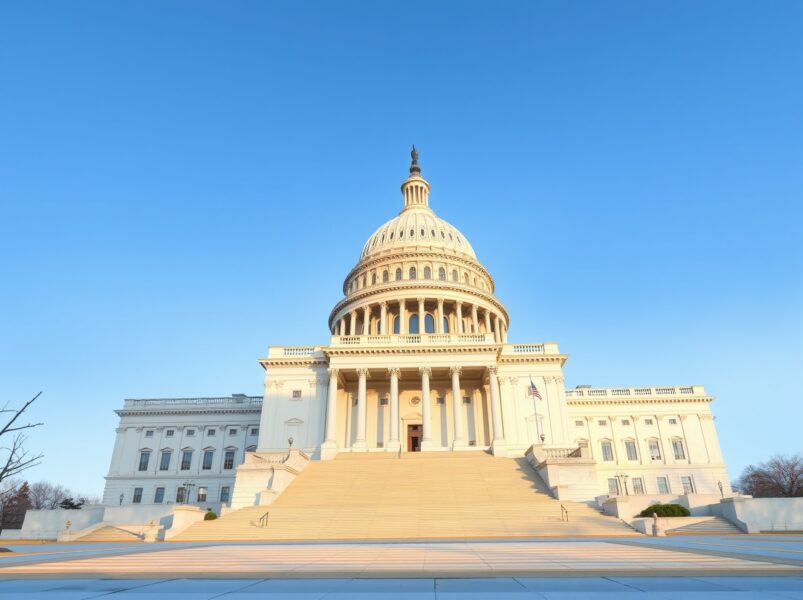
WASHINGTON, D.C. – A pivotal Senate committee hearing scheduled for May now represents the most critical juncture for the landmark U.S. Crypto Clarity Act, with legislative momentum hanging in the balance against a rapidly closing election-year calendar. While an April passage appears off the table, key aides and lawmakers assert the delay is not fatal, but it significantly heightens the stakes for the upcoming proceedings. The bill, which aims to establish a comprehensive regulatory framework for digital assets, must navigate a crowded legislative docket and address final industry concerns to secure its path forward before political focus shifts entirely to the November midterm elections.
Crypto Clarity Act Legislative Timeline and Key Hurdles
According to a Senate aide familiar with the negotiations, the primary obstacle for the Crypto Clarity Act is not substantive disagreement but simple scheduling. The Senate will transition into full election mode by August, leaving only about twelve weeks for substantive legislative action. This truncated window is already packed with high-priority items, including the Department of Homeland Security’s annual budget and ongoing foreign policy matters. Consequently, the May hearing transforms from a procedural step into a make-or-break event for maintaining the bill’s viability. The aide emphasized that a consensus has largely been forged on several complex issues, notably concerning DeFi (Decentralized Finance) protections, removing significant technical hurdles from the committee stage.
However, one substantive issue requiring resolution involves stablecoin interest and associated banking industry concerns. Republican Senator Tom Tillis is reportedly utilizing the additional time before the May hearing to broker a final compromise on this point with crypto industry representatives. This targeted approach suggests lawmakers are focusing remaining negotiations on specific, resolvable conflicts rather than broad philosophical debates. The legislative strategy now centers on crafting a committee-ready version of the Crypto Clarity Act that can secure bipartisan support during the May session, enabling a swift markup and vote.
The Strategic Importance of the May Hearing
The scheduled hearing serves multiple strategic purposes. Firstly, it maintains public and political visibility for the issue, preventing the bill from stalling silently. Secondly, it provides a formal, recorded forum for addressing outstanding concerns, which can build a public record of consensus and resolve. Thirdly, a successful hearing with clear bipartisan support can generate the political capital needed to prioritize the bill in the crowded summer schedule. Legislative analysts note that without a strong showing in May, the Crypto Clarity Act could easily be sidelined by more urgent, must-pass legislation.
Broader Context: The Push for US Crypto Market Structure
The Crypto Clarity Act is not an isolated initiative but part of a multi-year, global effort to define regulatory perimeters for digital assets. The United States has been under increasing pressure from both industry and international peers to provide legal certainty. Currently, the U.S. crypto market operates under a patchwork of guidance from multiple agencies including the Securities and Exchange Commission (SEC) and the Commodity Futures Trading Commission (CFTC). This fragmented approach has been cited by many as a factor driving innovation and capital to jurisdictions with clearer rules.
The proposed legislation seeks to answer fundamental questions that have plagued the industry:
- Classification: When is a digital asset a security versus a commodity?
- Oversight: Which federal regulator holds primary authority?
- Consumer Protection: What standards apply to custody, disclosures, and trading?
- Innovation Sandboxes: How can new technologies be tested within a regulated environment?
Progress on the bill is being closely monitored by financial institutions, technology firms, and institutional investors who view clear regulation as a prerequisite for deeper market participation. The delay to May, while a tactical setback, also allows for more stakeholder engagement, potentially leading to a more robust and widely accepted final law.
Comparative Legislative Landscape
The U.S. legislative pace contrasts with actions in other major economies. The European Union’s Markets in Crypto-Assets (MiCA) framework is already finalized and in its implementation phase. Similarly, jurisdictions like the United Kingdom, Singapore, and the United Arab Emirates have advanced their own regulatory regimes. This global race underscores the economic and strategic implications of the Crypto Clarity Act. Proponents argue that U.S. leadership in setting standards is crucial for maintaining influence in the future financial system.
| Timeline | Milestone | Significance |
|---|---|---|
| May 2025 | Senate Committee Hearing | Critical forum to address stablecoin concerns and demonstrate bipartisan support. |
| Late May – June 2025 | Committee Markup & Vote | Bill must pass committee to proceed to the full Senate floor. |
| July 2025 | Potential Senate Floor Vote | Requires prioritization amid competing legislation; a narrow window for debate. |
| August 2025 Onward | Election Mode | Legislative activity sharply declines as focus shifts to campaigns. |
Potential Impacts and Industry Reactions
Passage of the Crypto Clarity Act would have immediate and long-term effects on the digital asset ecosystem. In the short term, it would provide the legal certainty that large, traditional financial entities have demanded before entering the market at scale. This could catalyze a new wave of institutional investment and product development. For consumers, it would establish clearer protections against fraud and market manipulation, potentially increasing mainstream adoption.
Industry groups have expressed cautious optimism about the May hearing. Many recognize that the compressed timeline is a double-edged sword: it creates urgency but also increases the risk of the bill being rushed or, conversely, abandoned. The focus on resolving the stablecoin issue is seen as pragmatic, as it addresses a key concern of the powerful banking sector, whose support can be influential with certain lawmakers. The consensus on DeFi provisions is viewed as a significant achievement, given the technical complexity of regulating non-custodial, protocol-based finance.
Conclusion
The path forward for the Crypto Clarity Act now converges on a single, decisive point: the May Senate committee hearing. While substantive agreements are largely in place, the legislative calendar presents a formidable challenge. The hearing will serve as the crucial test of whether political will can translate into actionable progress before the election season halts momentum. The outcome will not only determine the fate of this specific bill but also signal the United States’ near-term approach to governing the rapidly evolving world of digital assets. All stakeholders now look to May for clarity on the future of crypto regulation.
FAQs
Q1: What is the Crypto Clarity Act?
The Crypto Clarity Act is a proposed U.S. Senate bill designed to create a comprehensive federal regulatory framework for digital assets and cryptocurrency markets, addressing issues like asset classification, regulatory authority, and consumer protections.
Q2: Why is the May hearing so important for the bill?
The May hearing is critical because it is likely the last major procedural step possible before the Senate enters its pre-election period in August. A successful hearing can maintain momentum and allow for a committee vote, while a failure could delay the bill indefinitely.
Q3: What is the main issue still being negotiated before the hearing?
The primary unresolved issue involves concerns from the banking industry regarding the treatment of interest earned on stablecoin reserves. Senator Tillis is working to finalize a compromise on this point.
Q4: Has consensus been reached on other parts of the bill?
Yes, according to reports, lawmakers have largely reached a consensus on several complex areas, including provisions related to DeFi (Decentralized Finance) protections, removing major hurdles for the bill at the committee level.
Q5: What happens if the bill does not pass before the election season?
If the Crypto Clarity Act does not pass through committee and the Senate before August, it will effectively be stalled until after the November midterm elections. Its fate would then depend on the post-election legislative agenda and political composition of the next Congress.
This post Crypto Clarity Act Faces Crucial May Hearing as Senate Race Against Election Clock Intensifies first appeared on BitcoinWorld.
0
0

 Manage all your crypto, NFT and DeFi from one place
Securely connect the portfolio you’re using to start.


0
0

0
0
