
US inflation data falls to 3.5%, but the Fed still won’t call it a win

0
0
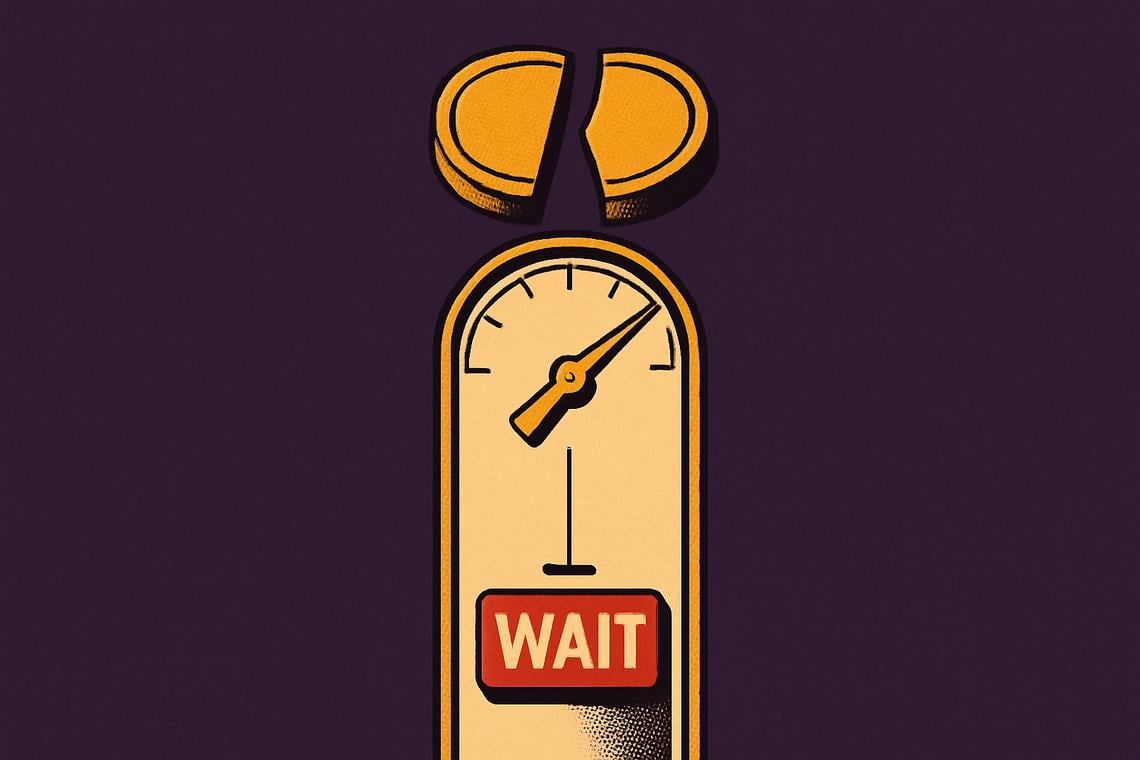
Inflation in the United States is easing just enough to spark cautious optimism inside the Federal Reserve, but not enough to convince everyone that the fight against high prices is over. The latest US inflation data shows the June Consumer Price Index falling to 3.5% year-over-year, down sharply from 4.2% in May, a shift that Federal Reserve Bank of Chicago President Austan Goolsbee called “surprisingly benign” and “encouraging.” Yet even as officials welcome the cooldown, they’re careful not to declare victory, and newer signals from other corners of the Fed suggest the debate over where inflation goes next is far from settled.
Key takeaways
- The June Consumer Price Index dropped to 3.5% year-over-year, down from 4.2% in May, marking a notable disinflation signal.
- Austan Goolsbee called the reading “surprisingly benign” but warned that more months of similar data are needed before declaring the inflation fight won.
- July marked the 65th consecutive month with inflation running above the Fed’s 2% target, with the PCE index at 3.7% and core PCE at 3.3%.
- Tariffs, Middle East-driven energy costs, and AI-related capital spending are named as the main forces keeping prices elevated.
- Fed Governor Michael Barr said he would back a rate hike if inflation fails to move convincingly toward the 2% target, showing a split within the central bank.
June Inflation Data Shows Encouraging Signs
The freshest reading on prices gave the Fed something it hasn’t had in a while: a genuinely good month. The Consumer Price Index June figure fell to 3.5% on a year-over-year basis, a full percentage point below May’s 4.2%, according to the data cited by Goolsbee. That kind of drop doesn’t happen often, and it’s exactly why Fed watchers took notice.
Consumer Price Index and PCE Trends
Beyond the headline CPI number, the Fed’s preferred gauge — the Personal Consumption Expenditures index — reached 3.7% during July, whereas core PCE, which excludes the unpredictable swings in food and energy costs, remained at 3.3%. Both remain well above the central bank’s 2% target, underscoring that even a strong monthly print doesn’t erase the bigger picture. Goolsbee has also pointed to monthly CPI movement as a supporting signal: the all-items CPI reading was down 0.4% in June and roughly flat, up just 0.1%, in July, a pattern he described as reason enough to “wait and see if this has legs, or is just a blip.”
Federal Reserve Officials Weigh Cautious Optimism Against Skepticism
Not every Fed official reads the same data the same way, and that internal tension is shaping how markets interpret the Federal Reserve inflation outlook. Goolsbee’s own framing captures the mood: encouraging, but not conclusive.
Goolsbee’s Outlook and the Limits of One Good Month
Goolsbee cautioned that additional consecutive months displaying comparable favorable trends would be required before declaring success in combating enduring inflationary pressures. In his own words, summarizing the recent run of data: “we’ve had one encouraging report, one OK report, and now our challenge is… the inflation.” That’s a notably guarded way of describing progress, and it reflects a broader split inside the institution. Some policymakers share Goolsbee’s cautious optimism, treating the June figures as genuine evidence that disinflation is finally taking hold. Others remain skeptical, arguing that one good month doesn’t make a trend, especially with July marking the 65th consecutive month that inflation has stayed above the Fed’s 2% benchmark.
Goolsbee has also flagged a subtler risk: supply shocks — from tariffs to Middle East tensions — that once looked “transitory” are proving stickier than economic models predicted, something he’s only half-jokingly called “traaaaansitory” pressure that just won’t fully fade.
What’s Keeping Inflation Elevated
Three forces keep showing up whenever officials explain why prices haven’t cooled faster. Tariff effects have rippled through supply chains, pushing costs that businesses then pass on to shoppers. Energy prices have spiked amid ongoing Middle East tensions, adding their own upward pull on the headline numbers. And AI-related capital expenditure has piled onto the mix, as companies pour billions into compute infrastructure, data centers, and the electricity needed to run them.
The May PCE peak of 4.1% reflected exactly that — all three pressures compounding at once. Goolsbee has warned that if the economic ripple effects of the AI buildout spread further, for instance by pushing up services inflation, “that would make me more nervous.” He’s also skeptical that AI is single-handedly driving broader hiring weakness, saying the low hiring rate isn’t predominantly caused by artificial intelligence, even as data-center construction competes fiercely with other sectors for workers and materials.
Markets, Rate Expectations, and the Path Ahead
The cooler June CPI print initially prompted markets to adjust their interest rate expectations, with traders dialing back the probability of near-term tightening. But that mood didn’t last unchallenged. Rising Treasury yields and fresh worries over the Middle East situation have since pushed the calculus back the other way.
Barr’s Warning on a Possible Rate Hike
Federal Reserve Governor Michael Barr said he would be prepared to support an interest rate hike if inflation doesn’t ease, warning about “broader price pressures taking hold” after inflation stayed stuck above the 2% target for nearly five and a half years. “If trends in the data give me some confidence that inflation is moderating on a path to 2%, then I think we can take a bit more time to assess our policy stance,” Barr said in prepared remarks. “However, if inflation appears not to be moderating sufficiently, then I think we should act decisively to raise rates.” Fed Chairman Kevin Warsh’s own remarks were widely read by markets as tilted toward a hike as soon as the next policy meeting. As of early September, traders were reportedly pricing in roughly a 66% probability of that move, even after the Fed held its benchmark funds rate between 3.5% and 3.75% at its July meeting.
That’s the tension defining this moment: a single encouraging month of US inflation data was enough to shift market expectations briefly, but it wasn’t enough to settle the argument inside the Fed itself. Whether the next round of readings confirms genuine disinflation or reopens the door to a rate hike will likely depend less on any one data point and more on whether tariffs, energy costs, and AI-driven spending keep compounding — or finally start to ease off at the same time.
FAQ
Why is the June inflation data considered encouraging by Fed officials?
Fed officials, including Austan Goolsbee, found the June Consumer Price Index drop to 3.5% from 4.2% in May surprisingly benign and encouraging, suggesting signs of disinflation.
What cautions did Austan Goolsbee express about the inflation trend?
Goolsbee cautioned that several more months of similarly positive inflation readings are needed before declaring victory over persistent price pressures.
What are the main factors keeping inflation elevated despite recent declines?
Inflation remains elevated due to tariffs impacting supply chains, energy prices heightened by Middle East tensions, and AI-related capital expenditures increasing costs.
How did markets react to the June inflation data?
Markets reacted to the cooler June CPI by lowering expectations for near-term interest rate hikes, though that stance shifted again later as Fed Governor Michael Barr signaled openness to a hike and Treasury yields climbed.
Article produced with the assistance of artificial intelligence and reviewed by the editorial team.
0
0


 Manage all your crypto, NFT and DeFi from one place
Securely connect the portfolio you’re using to start.


