
Oil surges 5% as Iran attacks UAE, Strait of Hormuz risks rise

0
0
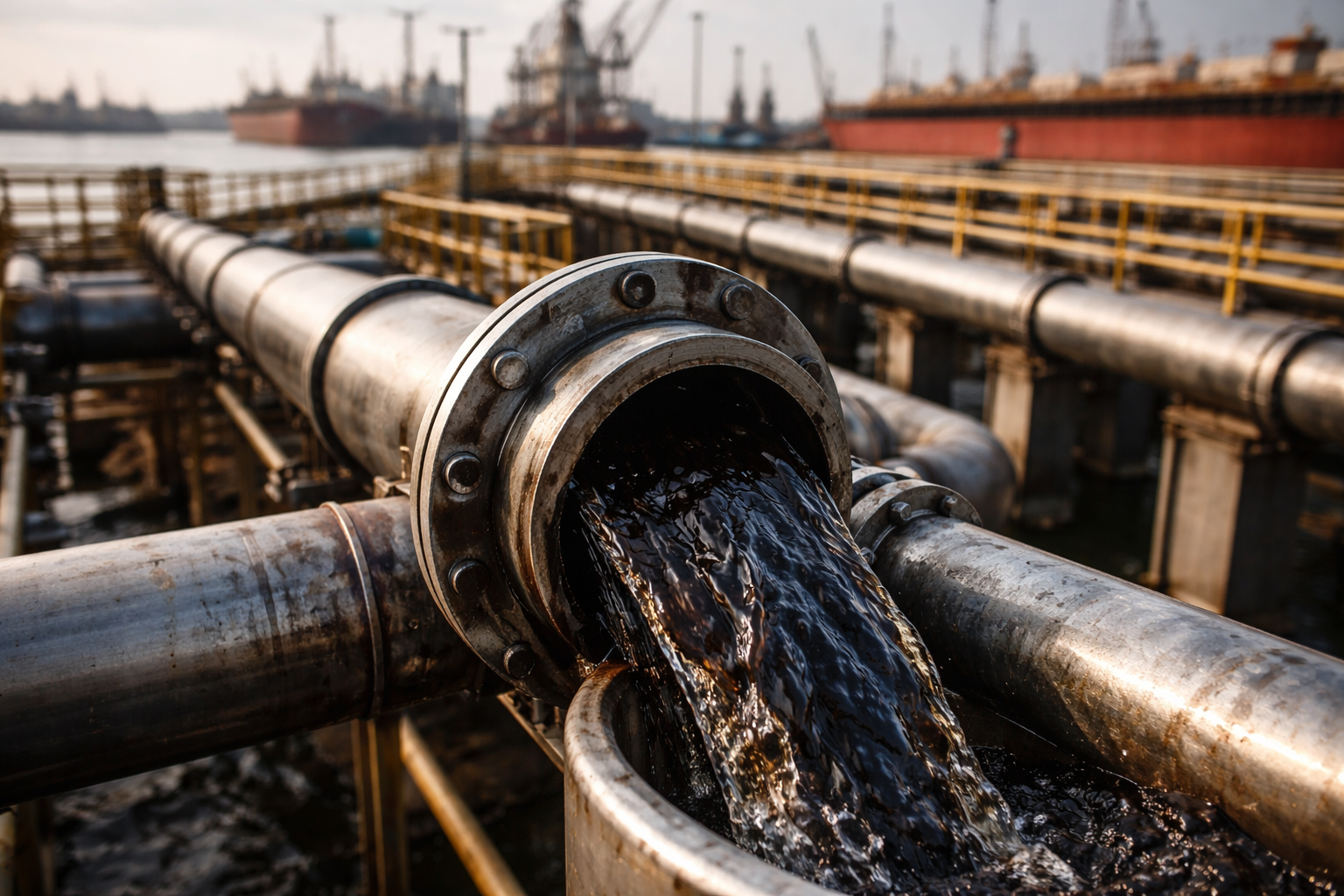
Oil prices surged on Monday as escalating tensions between Iran and the United Arab Emirates (UAE) raised concerns over supply disruptions in the Middle East.
International benchmark Brent crude climbed more than 5% to around $114 per barrel, while US West Texas Intermediate (WTI) crude rose over 3% to trade above $105.
The gains came after reports that Iran launched missile and drone attacks targeting the UAE and vessels in the region.
The UAE’s Defense Ministry said Iran fired four cruise missiles, three of which were intercepted over territorial waters, while a fourth fell into the sea. Separately, a drone strike triggered a fire at the oil hub of Fujairah, according to Reuters.
The developments mark a significant escalation in the Persian Gulf, where tensions have been building for weeks amid a standoff over the Strait of Hormuz, a critical chokepoint for global energy flows.
Strait of Hormuz disruptions fuel supply concerns
The Strait of Hormuz, through which roughly 20% of global oil and liquefied natural gas supplies typically pass, has been at the center of the crisis.
Iran has blockaded the route for weeks, creating what officials describe as the largest oil supply disruption in history.
Iran’s Revolutionary Guards Navy has indicated an expansion of controlled areas near the strait, including key UAE ports such as Fujairah and Khorfakkan.
The situation has been compounded by multiple attacks on commercial vessels in or near the strait over the weekend.
Incident reports from the United Kingdom Maritime Trade Operations Centre detailed strikes on a tanker north of Fujairah and a bulk carrier off the coast of Iran.
The UAE also accused Iran of targeting a vessel linked to its state oil company ADNOC, condemning the actions as “acts of piracy.”
Market participants are closely watching the impact on supply flows.
UBS analyst Giovanni Staunovo said, “The path for prices remains skewed to the upside as long as flows through the strait remain restricted.”
US response and market outlook
The United States has moved to address the crisis through a military operation dubbed “Project Freedom.”
President Donald Trump said the initiative aims to help guide civilian ships safely through the strait.
US Central Command confirmed that the operation involves naval assets, aircraft, and unmanned systems, though officials indicated the mission is currently limited in scope.
Rather than full naval escorts, the US Navy is advising ships on avoiding threats and is prepared to intervene if necessary.
“No US Navy ships have been struck,” CENTCOM said. “US forces are supporting Project Freedom and enforcing the naval blockade on Iranian ports.”
Two US-flagged merchant vessels have already successfully transited the strait, according to the military.
Despite these efforts, uncertainty remains high. Iran’s military has warned it would target any US warships approaching the strait, adding to geopolitical risks.
Energy markets are also weighing supply-side developments from OPEC+, which agreed to increase output by 188,000 barrels per day in June, marking a third consecutive monthly increase.
However, industry leaders caution that the full impact of the disruption has yet to be priced in. Exxon Mobil CEO Darren Woods said, “It’s obvious to most that if you look at the unprecedented disruption in the world supply of oil and natural gas, the market hasn’t seen the full impact of that yet.”
“There’s more to come if the strait remains closed,” he added.
The post Oil surges 5% as Iran attacks UAE, Strait of Hormuz risks rise appeared first on Invezz
0
0

 Manage all your crypto, NFT and DeFi from one place
Securely connect the portfolio you’re using to start.

0
0

0
0

0
0

0
0