
European gas surges 35% after Qatar LNG strike: what’s next?

0
0
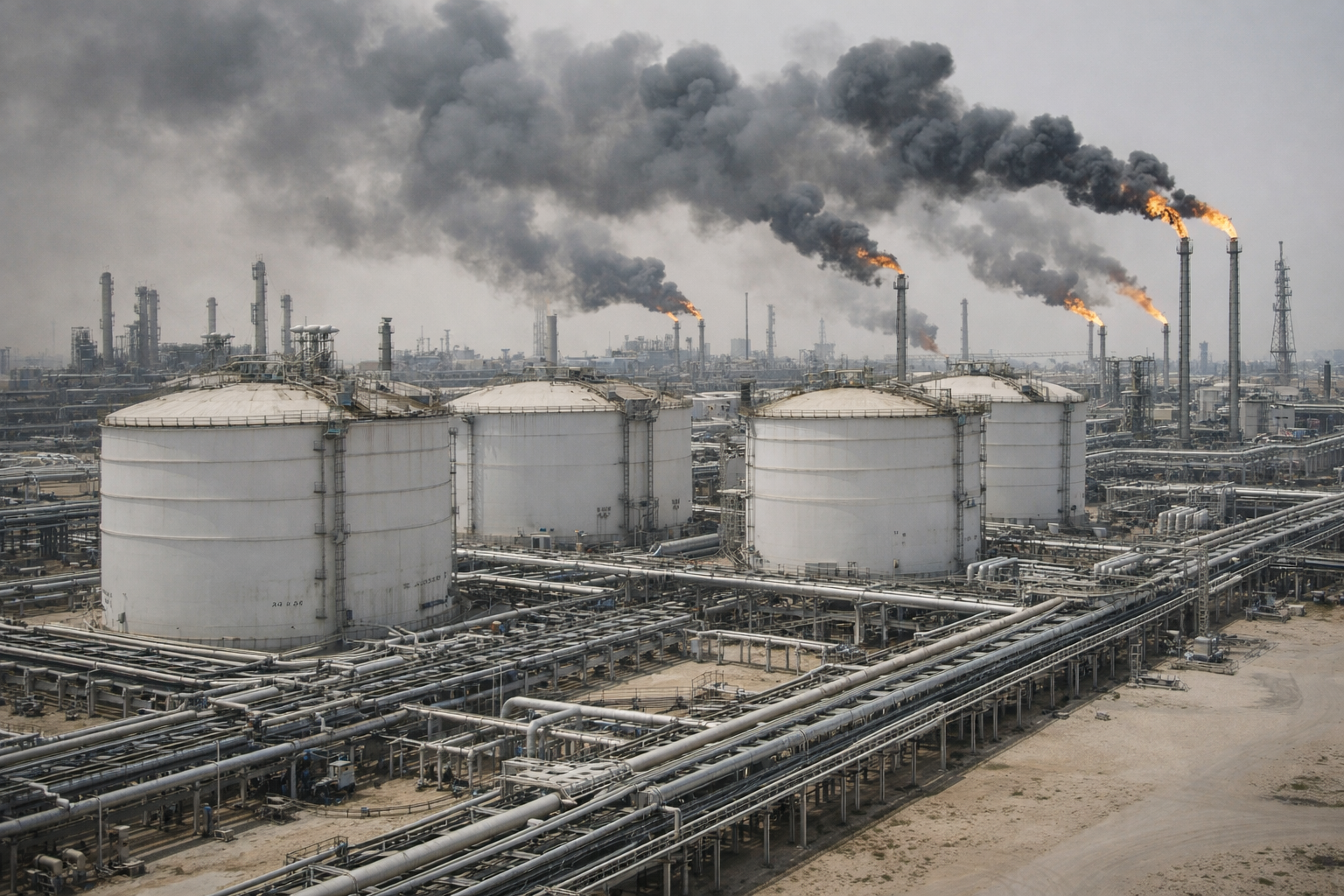
European natural gas prices jumped sharply on Thursday, after a major liquefied natural gas facility in the Gulf was hit during escalating conflict involving Iran.
The move reflects growing fears that energy flows could be disrupted at a time when global supply chains are already strained.
The latest surge comes as traders react to damage at a key export hub and the wider risk to shipments moving through critical maritime routes.
The development adds fresh pressure on European energy markets, which remain sensitive to geopolitical shocks and supply interruptions.
Gas price spike
Benchmark European gas futures climbed as much as 35% following the incident, marking one of the sharpest intraday gains in recent months.
The rally highlights how quickly prices react to disruptions in the liquefied natural gas supply. Europe depends heavily on LNG imports, especially after reducing its reliance on Russian pipeline gas.
Any threat to export capacity in the Gulf tends to push prices higher almost immediately.
This latest spike follows earlier volatility linked to the broader Middle East conflict.
Previous surges had already pushed gas prices up by more than 25% in recent weeks as traders monitored risks to shipping routes and production facilities.
LNG plant damage
The trigger for the latest jump was an attack on a major LNG facility located at Ras Laffan in Qatar, one of the most important energy hubs in the world.
The site plays a central role in global gas exports and is critical to supply chains feeding Europe and Asia.
Iran launched missiles targeting the complex, with at least one strike hitting the facility and causing fires and operational disruption.
Emergency teams were deployed to contain the damage, while production and logistics faced immediate uncertainty.
Ras Laffan accounts for a significant share of global LNG output.
Any sustained disruption at the site could tighten supply worldwide, particularly as the market is already dealing with reduced flows and heightened geopolitical risk.
What's next?
The strike has intensified concerns about the security of energy infrastructure across the Gulf.
The region is a key supplier of both oil and liquefied natural gas, and any escalation raises the risk of broader supply interruptions.
Shipping through the Strait of Hormuz remains a major concern for traders. The narrow waterway handles a large portion of global LNG shipments.
Disruptions to traffic or heightened security risks could delay deliveries and drive further price volatility.
Earlier in the conflict, tanker movements slowed, and some LNG exports were halted, adding pressure to an already tight market.
Prolonged disruption could force buyers, especially in Europe, to compete more aggressively for alternative supplies.
Market reaction widens
The impact has not been limited to gas markets.
Oil prices also moved higher following the strike, reflecting broader concerns about energy supply across the region.
Rising fuel costs are feeding into inflation risks and increasing pressure on economies that rely heavily on imported energy.
European industries are particularly exposed, as they face higher input costs linked to energy-intensive production.
The latest surge adds another layer of strain at a time when the region is still adjusting to structural changes in its energy mix.
Traders are now watching how long disruptions persist and whether further escalation could affect additional infrastructure.
The scale and duration of the impact will likely determine whether prices stabilise or continue to rise in the coming weeks.
The post European gas surges 35% after Qatar LNG strike: what’s next? appeared first on Invezz
0
0


 Manage all your crypto, NFT and DeFi from one place
Securely connect the portfolio you’re using to start.

0
0

0
0

0
0

0
0