
Iran US Talks: Critical Stalemate as Tehran Confirms No Second Round Planned

0
0
BitcoinWorld
Iran US Talks: Critical Stalemate as Tehran Confirms No Second Round Planned
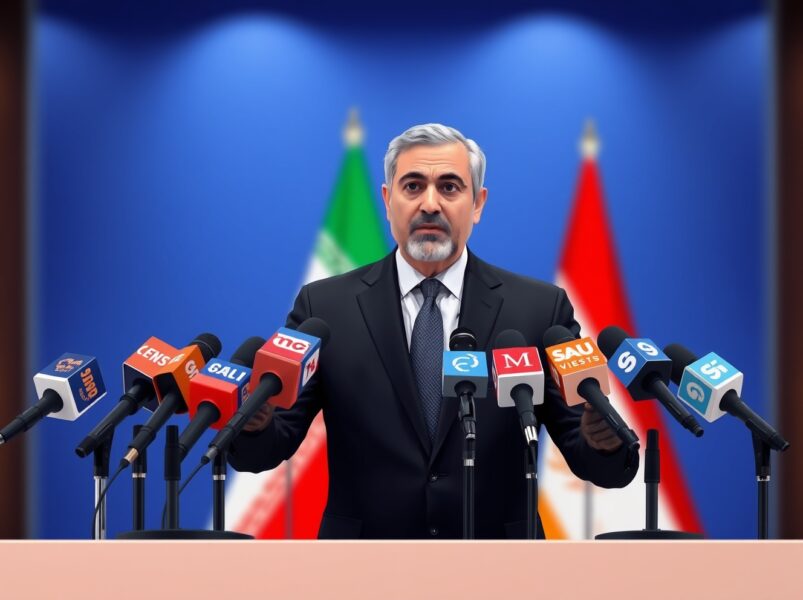
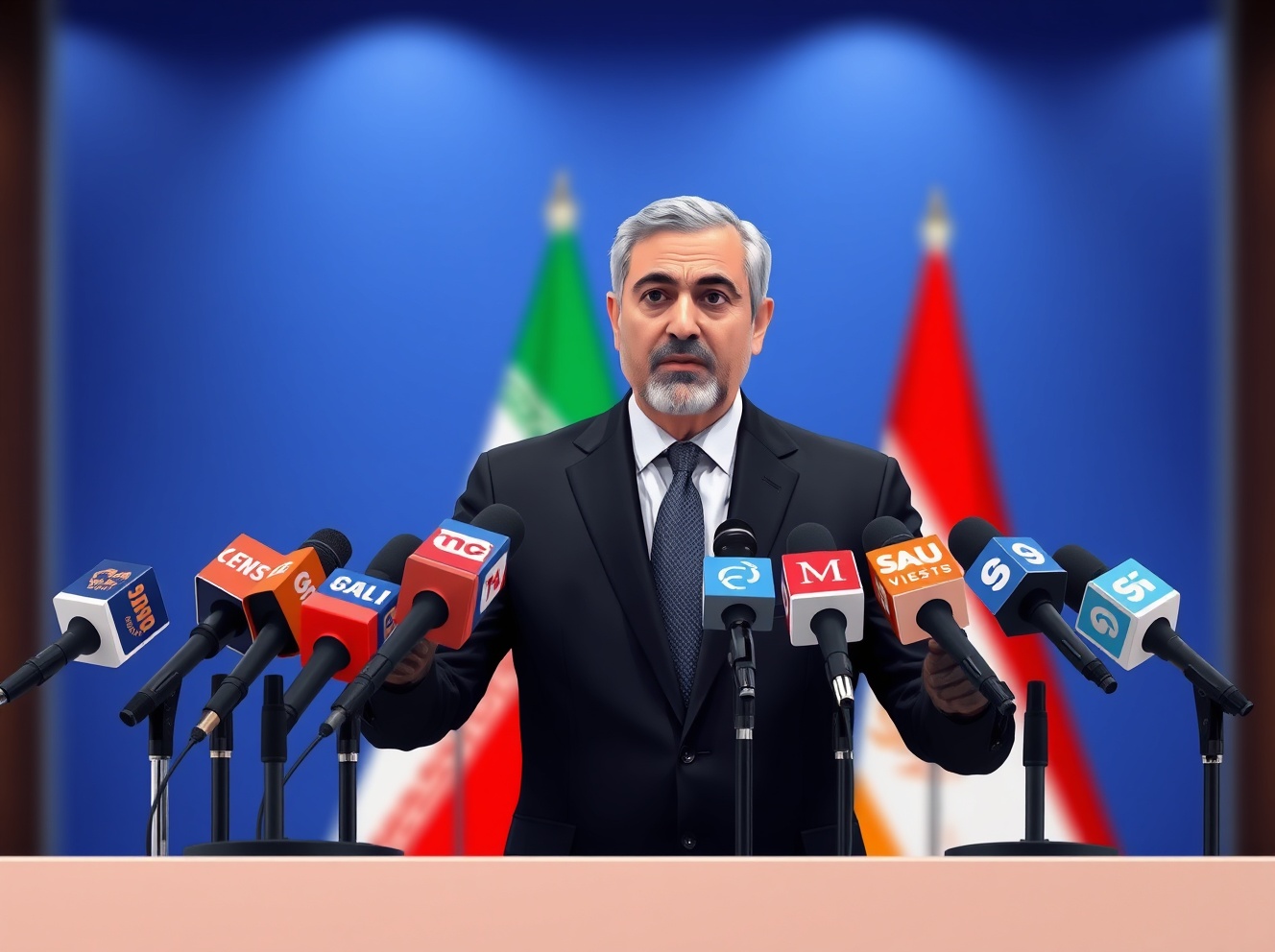
TEHRAN, Iran – In a significant diplomatic development, Iranian officials have confirmed there are currently no plans for a second round of negotiations with the United States. Foreign Ministry Spokesperson Nasser Kanaani made this definitive statement during a press briefing on Tuesday, creating immediate implications for regional stability and international nuclear diplomacy. This announcement follows months of indirect communications and comes at a particularly sensitive geopolitical moment.
Iran US Talks Reach Diplomatic Impasse
The Iranian Foreign Ministry’s declaration represents a clear diplomatic position. Spokesperson Kanaani emphasized that Tehran sees no current basis for renewed direct engagement with Washington. This stance emerges despite ongoing regional tensions and international pressure regarding Iran’s nuclear program. Consequently, diplomatic channels appear frozen at an official level, though backchannel communications may continue through intermediaries.
Several factors contribute to this diplomatic standstill. First, domestic political considerations in both nations create constraints. Second, unresolved issues from previous negotiation rounds remain unaddressed. Third, regional proxy conflicts continue to undermine trust between the two governments. The table below outlines key sticking points:
| Issue Area | Iranian Position | US Position |
|---|---|---|
| Nuclear Program Limits | Seeks sanctions relief first | Demands verifiable limits first |
| Regional Influence | Views as non-negotiable | Seeks reduction in proxy activities |
| Sanctions Relief | Requires comprehensive removal | Offers phased approach |
Historical Context of US-Iran Relations
Understanding this announcement requires examining the complex history between these nations. Relations have experienced dramatic fluctuations since the 1979 Iranian Revolution. The Joint Comprehensive Plan of Action (JCPOA) in 2015 represented a high point, while the US withdrawal in 2018 created new tensions. Since then, diplomatic engagement has followed a pattern of brief openings followed by extended stalemates.
Recent months showed tentative signs of possible re-engagement. European mediators facilitated indirect talks in Oman earlier this year. However, these discussions failed to produce sufficient common ground. The current Iranian position reflects frustration with what Tehran perceives as insufficient US concessions. Meanwhile, Washington has consistently emphasized the need for verifiable commitments regarding nuclear activities.
Expert Analysis of Diplomatic Implications
Regional analysts note several important implications from Iran’s position. First, the statement signals Tehran’s willingness to endure continued economic pressure rather than accept unfavorable terms. Second, it suggests Iran may accelerate alternative diplomatic approaches with other global powers. Third, regional stability faces increased uncertainty without functioning US-Iran communication channels.
Dr. Leila Mohammadi, a Middle East security scholar at the University of Tehran, explains the strategic calculation. “Iranian leadership perceives limited benefits from immediate negotiations,” she notes. “They believe time may improve their position as regional dynamics evolve.” This perspective reflects Tehran’s assessment of shifting global alliances and energy markets.
Conversely, former US diplomat James Foster highlights risks. “Without direct communication, miscalculation becomes more likely,” he warns. “Even difficult talks provide valuable insight into intentions and red lines.” This concern echoes among European officials seeking to prevent regional escalation.
Regional Security and Economic Consequences
The diplomatic freeze carries immediate practical consequences. Regional security mechanisms lose an important channel for de-escalation. Maritime security in the Persian Gulf may face increased challenges. Furthermore, global energy markets react to heightened uncertainty, potentially affecting oil prices and shipping insurance rates.
Several specific areas merit attention:
- Nuclear Monitoring: International Atomic Energy Agency access faces potential limitations
- Proxy Conflicts: Yemen, Syria, and Iraq may experience intensified violence
- Economic Impact: Iranian oil exports remain constrained, affecting global supply
- Arms Control: Regional missile proliferation concerns increase without dialogue
Neighboring states express particular concern. Gulf Cooperation Council members have consistently advocated for diplomatic solutions to regional tensions. They now face the prospect of prolonged uncertainty. Similarly, European nations invested in regional stability must recalibrate their diplomatic approaches.
Potential Pathways Forward
Despite the current impasse, diplomatic history suggests possibilities for future engagement. Third-party mediation often plays crucial roles in US-Iran relations. European powers, Oman, Qatar, and Iraq have previously facilitated communication. These channels may become increasingly important in coming months.
Technical discussions on specific issues could provide alternative entry points. Nuclear safety cooperation, humanitarian trade mechanisms, and maritime incident prevention offer potential areas for limited engagement. Such confidence-building measures have preceded broader negotiations in past diplomatic cycles.
Domestic political calendars also influence timing. Both nations face electoral considerations that affect diplomatic flexibility. The coming months may see positioning rather than substantive engagement, with more serious diplomacy potentially resuming under different political circumstances.
Conclusion
Iran’s confirmation of no planned second round of US talks represents a significant diplomatic development with regional and global implications. This position reflects Tehran’s current strategic assessment and domestic political realities. The Iran US talks stalemate increases regional uncertainty while challenging international nonproliferation efforts. Moving forward, third-party mediation and technical engagement may provide pathways toward eventual renewed dialogue. However, immediate prospects for comprehensive negotiations appear limited as both nations maintain their fundamental positions.
FAQs
Q1: What exactly did the Iranian Foreign Ministry announce?
The Iranian Foreign Ministry spokesperson stated clearly that there are currently no plans for a second round of negotiations with the United States, indicating a diplomatic pause in direct engagement.
Q2: Why has Iran taken this position now?
Analysts point to several factors including insufficient progress in previous talks, domestic political considerations, and a strategic calculation that time may improve Iran’s negotiating position on key issues.
Q3: Does this mean all communication has stopped?
While formal negotiations are not planned, indirect communication through intermediaries may continue, and technical discussions on specific issues could potentially occur through third parties.
Q4: How does this affect the nuclear agreement?
The original JCPOA remains effectively suspended, and without renewed talks, Iran’s nuclear program continues with limited international monitoring, increasing nonproliferation concerns.
Q5: What are the regional security implications?
Reduced direct communication increases the risk of miscalculation in regional conflicts, potentially affecting stability in Yemen, Syria, Iraq, and Persian Gulf maritime security.
This post Iran US Talks: Critical Stalemate as Tehran Confirms No Second Round Planned first appeared on BitcoinWorld.
0
0

 Manage all your crypto, NFT and DeFi from one place
Securely connect the portfolio you’re using to start.

0
0

0
0

0
0
