
Sticker Mule Embraces Crypto: A Strategic Leap into Cryptocurrency Payments for Global Commerce

0
0

BitcoinWorld
Sticker Mule Embraces Crypto: A Strategic Leap into Cryptocurrency Payments for Global Commerce
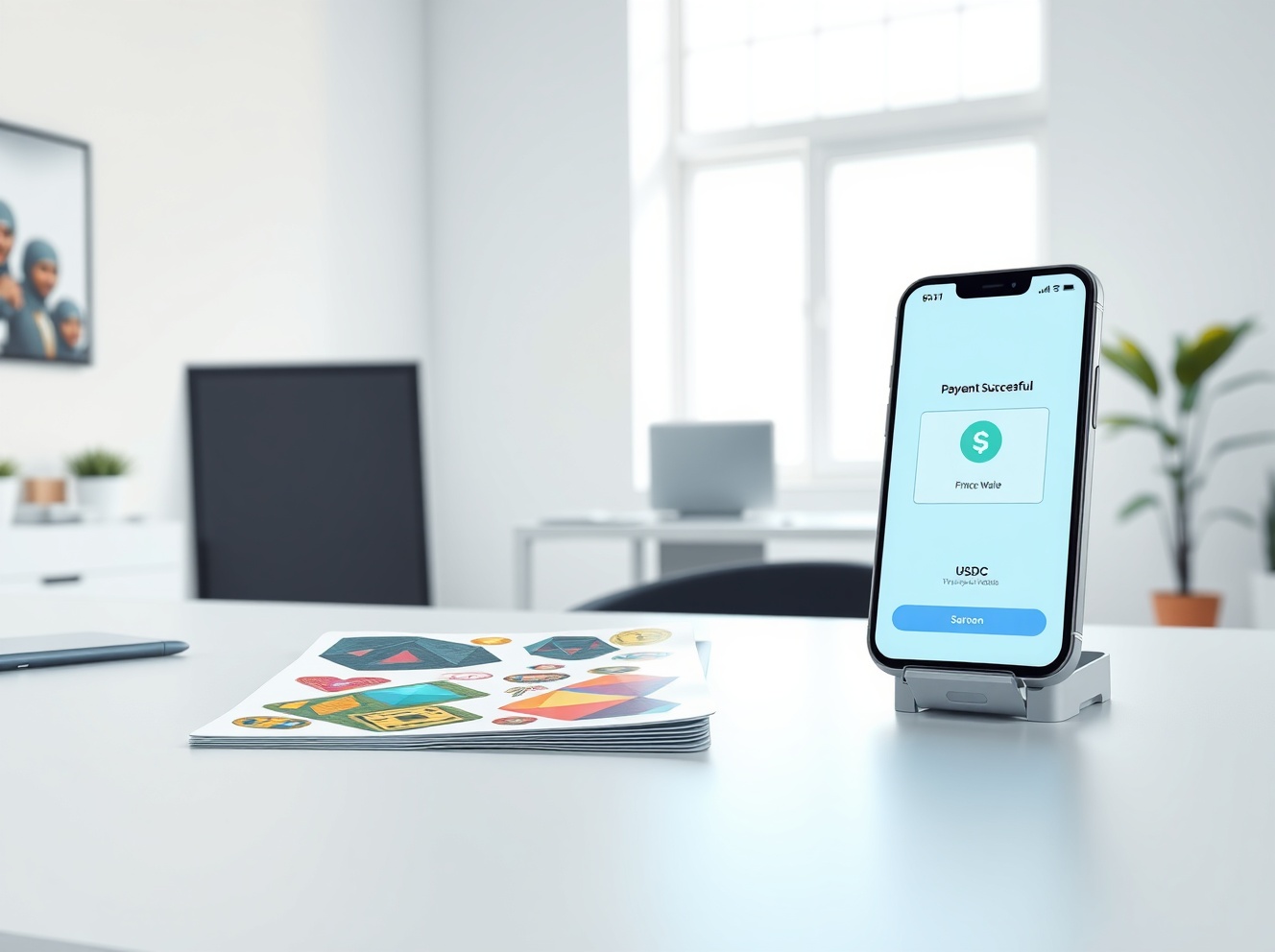
In a significant move for e-commerce and digital asset integration, online printing giant Sticker Mule now accepts cryptocurrency payments, marking a pivotal expansion in payment options for its global customer base. This strategic adoption, announced via PR Newswire, leverages a Stripe-based infrastructure to facilitate transactions primarily in stablecoins like USDC, directly connecting user wallets to the checkout process. Consequently, this development signals a growing trend of mainstream businesses bridging the gap between traditional services and the digital currency ecosystem.
Sticker Mule’s Cryptocurrency Payment Integration Explained
Sticker Mule’s new payment system operates through a partnership with Stripe, a leading financial infrastructure platform. The integration allows customers to connect their external digital wallets directly at checkout. Instead of converting crypto to fiat on an exchange, users can now pay for custom stickers, labels, and packaging using digital currencies. The company specifically highlights support for USD Coin (USDC), a stablecoin pegged to the US dollar. This choice minimizes the price volatility commonly associated with other cryptocurrencies like Bitcoin or Ethereum. Therefore, customers experience a familiar pricing structure while utilizing blockchain technology.
The technical implementation is reportedly seamless. During checkout, users select the cryptocurrency payment option. Subsequently, they connect a compatible wallet, such as MetaMask or Phantom. The system then generates a transaction for the exact amount in USDC. After the user confirms the payment on their wallet, the transaction settles on the blockchain. Sticker Mule receives the stablecoin value, and the order processes immediately. This method eliminates traditional banking intermediaries, potentially reducing transaction fees and speeding up settlement times for international orders.
The Broader Context of Crypto Adoption in E-commerce
Sticker Mule’s decision is not an isolated event. It reflects a broader, accelerating trend of e-commerce platforms integrating digital assets. Over the past three years, companies ranging from Overstock to Newegg have experimented with crypto payments. However, many early adopters faced challenges with volatility and regulatory uncertainty. The emergence of reliable stablecoins and regulated payment gateways like Stripe has changed the landscape. These tools provide the necessary stability and compliance frameworks for sustainable business adoption.
Furthermore, the target demographic for custom printing often overlaps with tech-savvy communities familiar with cryptocurrencies. By offering this payment method, Sticker Mule taps into a growing market of creators, startups, and crypto-native businesses. These customers frequently prefer to transact using digital assets held in their wallets. The move also aligns with global commerce trends, where cross-border payments benefit from blockchain’s efficiency. For instance, a designer in Europe can pay a US-based printer without currency conversion fees or multi-day bank delays.
Expert Analysis on Stablecoin Utility for Business
Financial technology analysts highlight the strategic importance of choosing stablecoins for initial rollout. “For a business dealing in physical goods with thin margins, price stability is non-negotiable,” notes a report from the Digital Commerce Research Group. “USDC and similar fiat-backed stablecoins provide the predictability of traditional currency with the technical benefits of a blockchain. This makes them the ideal on-ramp for mainstream commerce.” The report further details how stablecoin transactions can settle in minutes for a fraction of the cost of credit card processing, especially for international sales. This efficiency can directly improve a company’s cash flow and bottom line.
Industry data supports this shift. According to a 2024 survey by the Global E-commerce Federation, 18% of online businesses are actively piloting or implementing crypto payment options. The primary motivations cited are attracting new customer segments, reducing payment processing costs, and future-proofing their operations. Sticker Mule’s implementation through a established provider like Stripe also addresses a major hurdle: trust. Customers and businesses alike are more likely to adopt new technology when it’s facilitated by a recognized and regulated financial entity.
Operational Impacts and Customer Benefits
The integration presents several tangible benefits for Sticker Mule’s operations and its users. For the company, accepting cryptocurrencies opens new revenue streams and diversifies its payment portfolio. It also positions the brand as innovative and responsive to technological shifts. Operationally, blockchain settlements are irreversible, which reduces the risk of fraudulent chargebacks—a significant cost in e-commerce. The use of a Stripe-based system also means Sticker Mule likely does not need to handle private keys or manage crypto wallets directly, outsourcing that complexity to specialists.
For customers, the benefits are equally compelling:
- Global Accessibility: Users in regions with limited banking access can pay using a smartphone and an internet connection.
- Lower Fees: Blockchain transaction fees for stablecoins are often lower than credit card interchange fees or international wire transfer charges.
- Speed: Payments confirm on-chain within minutes, unlike bank transfers which can take days.
- Privacy: While not anonymous, crypto payments can involve less sharing of personal financial data compared to card payments.
- Asset Utilization: Customers can directly spend cryptocurrency holdings without first converting to fiat, simplifying their financial management.
Future Trajectory for Crypto in Custom Manufacturing
Sticker Mule’s move may serve as a blueprint for other custom manufacturing and print-on-demand services. The sector is highly competitive, with differentiation often relying on technology and customer experience. As blockchain infrastructure becomes more user-friendly, competitors will likely follow suit. The next logical steps could include loyalty tokens, blockchain-verified proofs of authenticity for limited runs, or smart contracts for automated royalty payments to designers. The underlying technology enables more than just payments; it can reshape entire supply chain and IP management processes.
However, challenges remain. Regulatory clarity continues to evolve, and businesses must navigate a complex global patchwork of laws. Consumer education is also crucial, as many potential users are still unfamiliar with self-custody wallets and on-chain transactions. Sticker Mule’s choice of a simple, gateway-driven solution through Stripe effectively lowers this barrier to entry. It provides a familiar checkout experience while introducing the new payment method in the background.
Conclusion
Sticker Mule’s integration of cryptocurrency payments, specifically via USDC stablecoins through Stripe, represents a mature and calculated step in the evolution of e-commerce. It moves beyond speculative hype to address practical business needs: stability, cost reduction, and global reach. This development not only enhances the customer experience for a tech-oriented audience but also demonstrates the growing viability of blockchain technology for mainstream, tangible goods transactions. As such, Sticker Mule’s foray into crypto payments is a significant marker of adoption, likely inspiring similar moves across the custom manufacturing and broader retail landscape.
FAQs
Q1: What cryptocurrencies does Sticker Mule accept?
Currently, Sticker Mule’s system primarily supports payments in stablecoins, with USD Coin (USDC) being explicitly mentioned. The integration via Stripe may support additional stablecoins or cryptocurrencies in the future.
Q2: How does the payment process work?
At checkout, select the cryptocurrency option. You will be prompted to connect a compatible digital wallet (like MetaMask). The system displays the amount due in USDC. After you confirm the transaction in your wallet, the payment settles on the blockchain, and your order is immediately confirmed.
Q3: Why would a business choose to accept stablecoins instead of Bitcoin?
Stablecoins like USDC are pegged to a fiat currency, minimizing price volatility. This allows businesses to price goods confidently without worrying about significant value fluctuations between the sale and settlement, which is crucial for managing costs and profitability.
Q4: Are there any special fees for paying with cryptocurrency?
Typically, you will pay the standard network (gas) fee for the blockchain transaction, which is usually a few cents. Sticker Mule does not appear to add a surcharge for crypto payments, and stablecoin transactions often avoid the higher processing fees associated with credit cards.
Q5: Is this payment method available worldwide?
Yes, in principle, cryptocurrency payments are borderless. However, availability may depend on local regulations and Stripe’s service areas. Customers should check at checkout if the option is available in their region.
This post Sticker Mule Embraces Crypto: A Strategic Leap into Cryptocurrency Payments for Global Commerce first appeared on BitcoinWorld.
0
0

 Manage all your crypto, NFT and DeFi from one place
Securely connect the portfolio you’re using to start.

0
0

0
0


0
0