
Was ZKsync Price Manipulated on Upbit? 15 Wallets Make $18.7M in Hours

0
0
The post Was ZKsync Price Manipulated on Upbit? 15 Wallets Make $18.7M in Hours appeared first on Coinpedia Fintech News
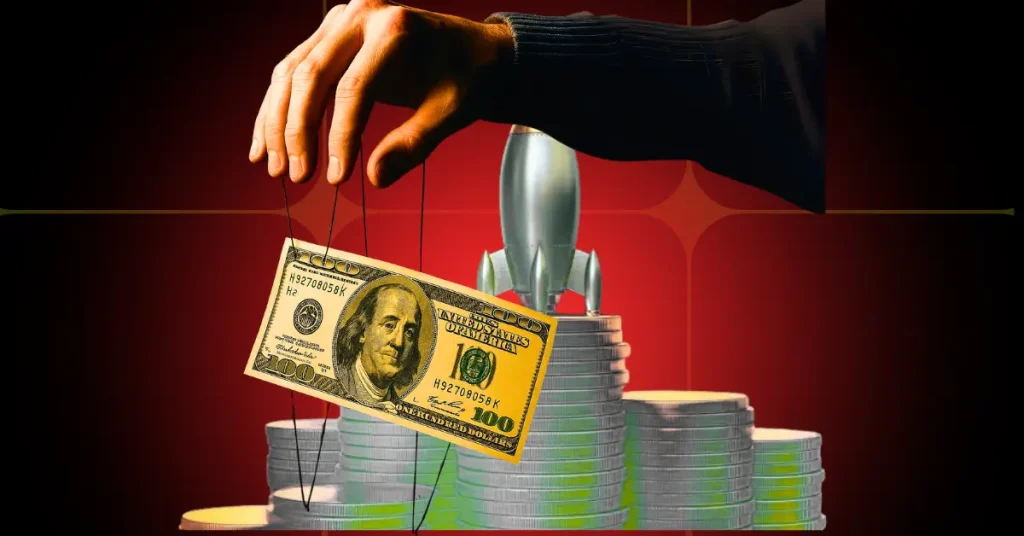
South Korea’s Financial Supervisory Service (FSS) has opened an investigation into ZKsync (ZK) after the token surged nearly 970% in just three hours on Upbit, the country’s largest crypto exchange.
The February 1 spike happened right around a scheduled maintenance window, and regulators suspect coordinated price manipulation.
So, is trouble brewing?
All About the ZKsync Pump
ZKsync was trading at around 33 KRW that morning. By 11:30 AM, just before Upbit’s maintenance began, the price shot up to 350 KRW. By 6:30 PM, when maintenance ended, it had dropped back to the 30 KRW range.
“We are aware that ZKsync experienced a rapid price fluctuation in a short period of time,” a spokesperson for the FSS’s Virtual Asset Investigation Bureau said. “We may quickly transition to a formal investigation after determining the severity of the case.”
Blockchain data showed that 15 previously inactive wallets bought over 4.2 million ZK tokens in the 30 minutes leading up to the maintenance window. Once the price peaked, the same wallets sold, with estimated profits of around $18.7 million.
Upbit’s Volume Spike Stood Out
Upbit recorded a 4,200% spike in ZKsync trading volume on February 1. In comparison, Binance saw a 180% increase and Coinbase logged 150%.
The price on those exchanges moved just 38-42%, while Upbit saw nearly 987%.
The Legal Stakes Are High
Legal experts say the incident likely falls under the Virtual Asset User Protection Act, which came into effect in 2024.
Jin Hyeon-su, managing partner at Decent Law Firm, pointed out that the pattern of “a large number of buy orders being concentrated in a short period of time, followed by a release of the volume afterwards” likely constitutes “price manipulation, collusive trading, and unfair trading.”
Under the law, offenders face over a year in prison and fines up to five times their profits.
Also Read: South Korea Nears Landmark Crypto Regulation With Digital Asset Basic Act
Regulators Are Already Moving
This is not an isolated case. A Seoul court sentenced the CEO of a crypto management firm to three years in prison on February 4 for manipulating token prices on Bithumb.
The FSS has also announced plans to use AI-powered tools for real-time crypto market surveillance, a clear sign that South Korea’s crackdown on altcoin manipulation is picking up pace.
0
0

 Manage all your crypto, NFT and DeFi from one place
Securely connect the portfolio you’re using to start.


