
Indian Rupee Strengthens as RBI Holds Repo Rate Steady, Flags Upside Inflation Risks

0
0
BitcoinWorld
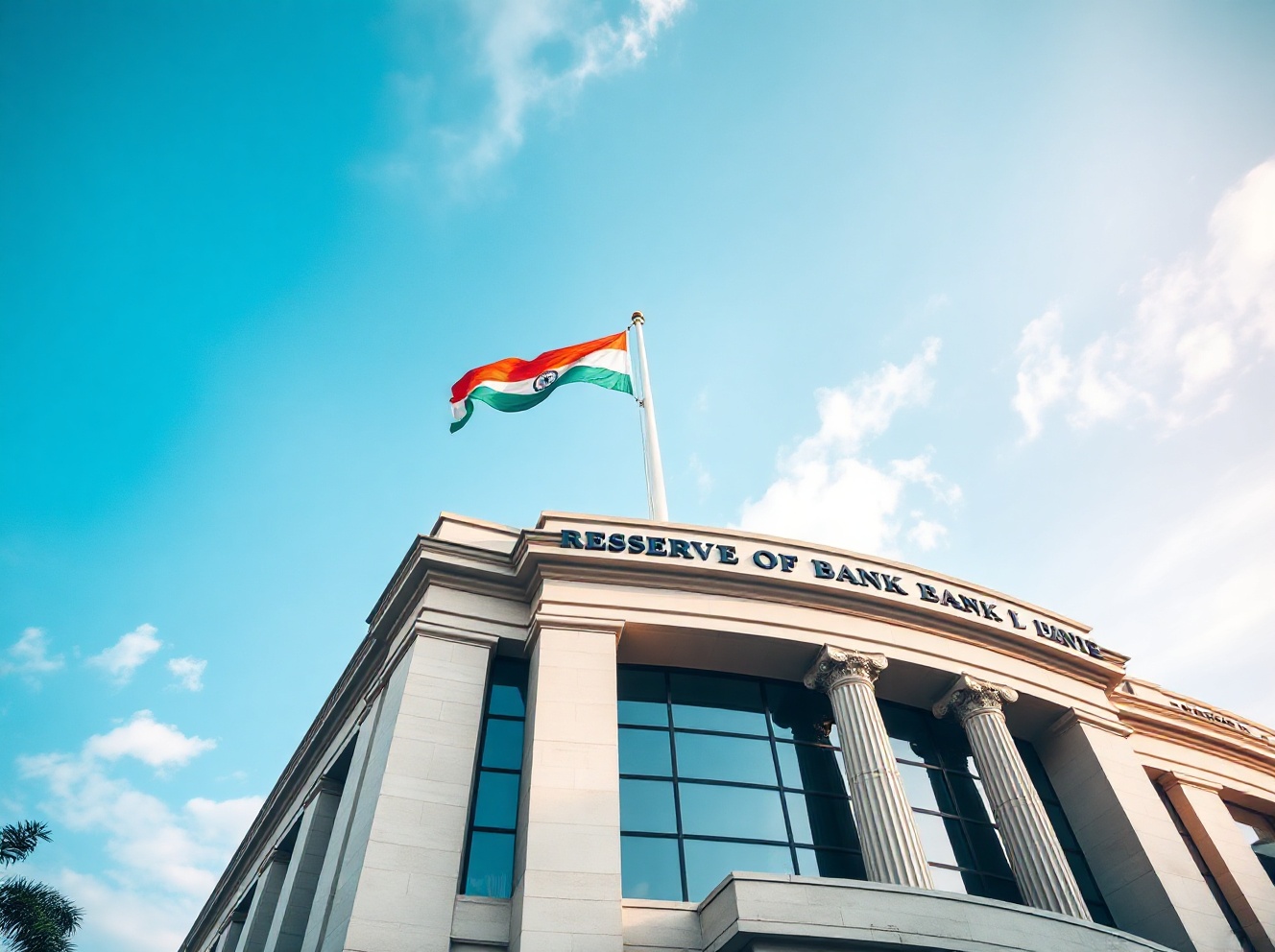
Indian Rupee Strengthens as RBI Holds Repo Rate Steady, Flags Upside Inflation Risks
The Indian Rupee strengthened against the US dollar on Thursday after the Reserve Bank of India’s Monetary Policy Committee (MPC) voted to keep the benchmark repo rate unchanged at 6.50% for the seventh consecutive meeting. The central bank, however, struck a cautious tone on inflation, warning that upside risks remain elevated amid volatile global commodity prices and persistent food price pressures.
Policy Decision and Market Reaction
The MPC’s decision, announced on April 5, 2024, was widely anticipated by economists and market participants. The repo rate has remained at 6.50% since February 2023, following a cumulative 250 basis points of rate hikes between May 2022 and February 2023. The standing deposit facility (SDF) rate was also kept unchanged at 6.25%, and the marginal standing facility (MSF) rate at 6.75%.
Following the announcement, the Indian Rupee appreciated to 83.38 against the US dollar, compared to 83.50 earlier in the session. Bond yields edged lower, with the benchmark 10-year government bond yield falling by 3 basis points to 7.12%, reflecting relief that the RBI did not signal any immediate tightening bias.
Inflation Outlook and RBI Warnings
RBI Governor Shaktikanta Das emphasized that the MPC remains vigilant about upside risks to inflation, particularly from food prices, which have remained stubbornly elevated despite a normal monsoon forecast. The central bank retained its inflation projection for FY2024-25 at 4.5%, but cautioned that the trajectory could be uneven.
“Headline inflation has moderated from its peak, but we cannot afford to lower our guard. Food inflation continues to pose significant uncertainty, and geopolitical tensions could reignite commodity price pressures,” Das said during the post-policy press conference.
The MPC reiterated its commitment to aligning inflation with the 4% target on a durable basis, while supporting growth. The GDP growth projection for FY2024-25 was maintained at 7.0%, reflecting resilience in domestic demand and investment activity.
Implications for Borrowers and Investors
For home loan borrowers and businesses, the status quo on rates means that existing floating-rate loans will not see any change in EMIs for now. However, banks may adjust marginal cost-based lending rates (MCLR) depending on their own deposit and liquidity conditions. Fixed deposit rates are expected to remain attractive as banks continue to compete for deposits.
For equity markets, the steady policy stance was viewed as positive for rate-sensitive sectors such as banking, auto, and real estate. The Nifty Bank index rose 0.6% in afternoon trade, while the broader Nifty 50 index gained 0.4%.
Global Context and Rupee Trajectory
The Rupee’s gain also came amid a broader pullback in the US dollar index, which fell below 104 after softer-than-expected US services sector data. Foreign portfolio investors (FPIs) have remained net buyers in Indian equities in recent weeks, adding support to the currency.
Analysts at Kotak Mahindra Bank noted that the RBI’s decision to maintain a neutral policy stance provides flexibility to respond to evolving global and domestic conditions. “The RBI is effectively in a wait-and-watch mode. If inflation remains under control and the US Federal Reserve begins cutting rates later this year, we could see the Rupee trade in a 83-84 range,” said Upasna Bhardwaj, chief economist at Kotak Mahindra Bank.
Conclusion
The RBI’s decision to hold rates steady reinforces its cautious approach to balancing inflation control with growth support. While the Rupee has gained some ground, the central bank’s inflation warnings serve as a reminder that the battle against price pressures is not yet over. Market participants will now focus on upcoming inflation data, monsoon progress, and global monetary policy cues for further direction.
FAQs
Q1: What is the current repo rate in India?
The RBI has kept the repo rate unchanged at 6.50% since February 2023, following a series of rate hikes.
Q2: How does the RBI’s decision affect home loan EMIs?
Existing floating-rate home loans will not see immediate changes in EMIs, but banks may revise their MCLR based on their own cost of funds and liquidity conditions.
Q3: What are the key inflation risks flagged by the RBI?
The RBI highlighted upside risks from volatile food prices, global commodity price fluctuations, and geopolitical tensions that could disrupt supply chains.
This post Indian Rupee Strengthens as RBI Holds Repo Rate Steady, Flags Upside Inflation Risks first appeared on BitcoinWorld.
0
0

 Manage all your crypto, NFT and DeFi from one place
Securely connect the portfolio you’re using to start.

0
0


0
0
