
Iranian Official’s Stark Warning: Unused Strategic Card Looms Against Potential US Naval Blockade

0
0
BitcoinWorld
Iranian Official’s Stark Warning: Unused Strategic Card Looms Against Potential US Naval Blockade
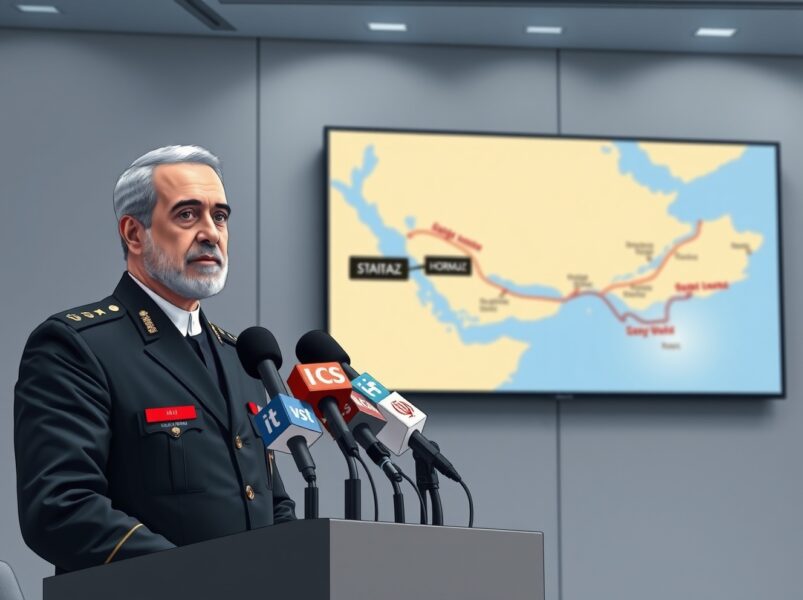
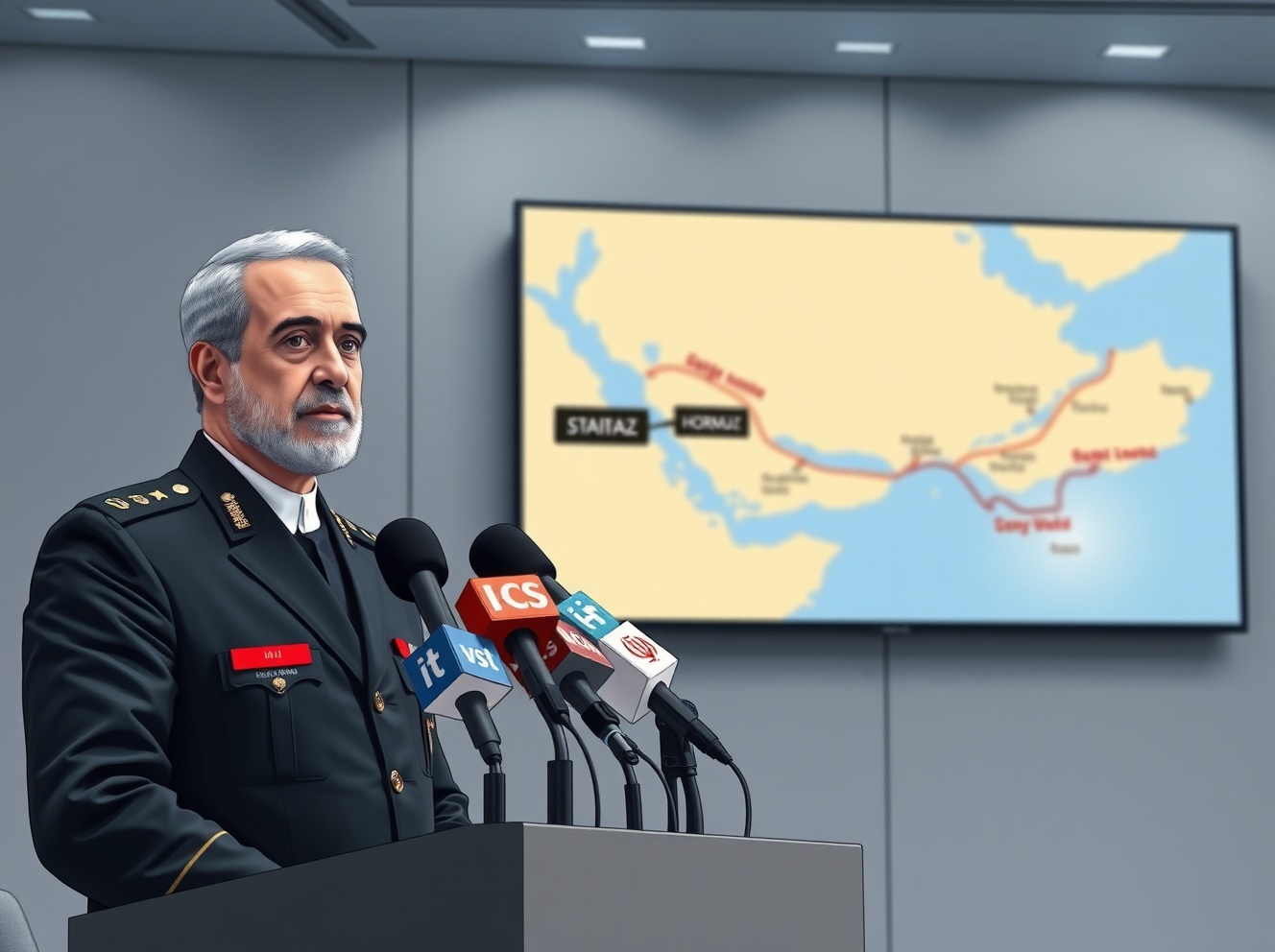
TEHRAN, Iran – January 15, 2025 – A senior Iranian official has issued a stark warning that Tehran possesses an unused strategic card to counter any potential U.S. naval blockade, escalating already tense geopolitical waters in the Persian Gulf region. This declaration comes amid heightened regional security concerns and follows months of diplomatic stalemates between Washington and Tehran.
Iranian Official’s Warning About US Naval Blockade
According to Al Jazeera’s exclusive reporting, the Iranian official made this significant statement during a closed-door briefing with regional media representatives. The official specifically referenced what they termed an “unused card” in Iran’s strategic arsenal. This development follows increasing speculation about potential U.S. actions to enforce stricter sanctions compliance through maritime measures.
International security analysts immediately began parsing the statement’s implications. The Persian Gulf represents a critical global choke point for oil transportation. Approximately 20% of the world’s petroleum passes through the Strait of Hormuz annually. Consequently, any disruption to this maritime corridor would trigger immediate global economic repercussions.
Historical context provides crucial background for understanding current tensions. The United States has maintained a significant naval presence in the region for decades. This presence includes the Fifth Fleet headquartered in Bahrain. Recent months have seen increased U.S. naval exercises in the area. These exercises often involve allied nations including Saudi Arabia and the United Arab Emirates.
Geopolitical Context of Persian Gulf Tensions
The current situation represents the latest chapter in decades of U.S.-Iranian strategic competition. Relations between the two nations have remained strained since the 1979 Iranian Revolution. Multiple administrations in Washington have employed various pressure tactics against Tehran. These tactics include economic sanctions, diplomatic isolation, and military posturing.
Iran has developed asymmetric capabilities specifically designed for Persian Gulf operations. These capabilities include:
- Fast attack craft: Small, agile vessels capable of swarm tactics
- Anti-ship missiles: Coastal defense systems with varying ranges
- Naval mines: Both conventional and sophisticated smart mines
- Unmanned systems: Surface and underwater drones for surveillance and potential engagement
Regional experts note that Iran’s military doctrine emphasizes area denial in the Persian Gulf. This doctrine acknowledges the U.S. Navy’s conventional superiority. Therefore, Tehran has invested heavily in capabilities that could complicate any blockade enforcement. The “unused card” reference likely relates to previously undeployed systems or tactics within this asymmetric framework.
Expert Analysis of Strategic Implications
Dr. Anahita Parsa, a senior fellow at the Middle East Security Institute, provides crucial context about the statement’s timing. “This warning serves multiple strategic purposes,” Parsa explains. “First, it signals deterrence to Washington. Second, it reassures domestic audiences about national security preparedness. Third, it communicates capability to regional actors without revealing specific details.”
Parsa further notes that such statements often precede diplomatic initiatives. “Tehran frequently employs strategic ambiguity before negotiations,” she observes. “The reference to an unused capability creates uncertainty. This uncertainty provides bargaining leverage in potential talks about regional security arrangements.”
The economic dimension remains equally critical. Global energy markets reacted cautiously to the news. Brent crude futures experienced a 2.3% increase following the statement’s publication. Shipping insurance premiums for Persian Gulf routes similarly rose by approximately 15%. These immediate market responses underscore the region’s continued vulnerability to geopolitical statements.
Historical Precedents and Naval Confrontations
The Persian Gulf has witnessed numerous naval incidents between U.S. and Iranian forces. The 1980s Tanker War during the Iran-Iraq conflict saw extensive maritime attacks. More recently, 2019 witnessed tanker seizures and attacks near the Strait of Hormuz. These incidents demonstrate the persistent potential for escalation.
A comparative analysis of regional naval capabilities reveals significant asymmetries:
| Capability | United States | Iran |
|---|---|---|
| Aircraft Carriers | 1-2 in region | 0 |
| Destroyers/Cruisers | 10-15 | 0 |
| Frigates/Corvettes | 5-10 | 7 |
| Fast Attack Craft | Limited | 100+ |
| Coastal Defense Missiles | Limited | Extensive network |
This capability mismatch explains Iran’s focus on asymmetric responses. Conventional naval engagements would heavily favor U.S. forces. Consequently, Iranian strategy emphasizes capabilities that could impose disproportionate costs. These costs might include disrupting shipping, threatening energy infrastructure, or employing unconventional warfare methods.
International Law and Blockade Considerations
Legal experts emphasize that naval blockades constitute acts of war under international law. The United Nations Charter specifically addresses blockade authority. Chapter VII permits such actions only with Security Council authorization. Alternatively, blockades can be declared during recognized states of war.
Professor Elias Chamoun of the International Maritime Law Institute clarifies the legal landscape. “A unilateral U.S. blockade without Security Council approval would face significant legal challenges,” Chamoun states. “However, Washington might frame actions as interdiction operations supporting sanctions enforcement. This legal distinction remains contentious within international jurisprudence.”
Regional responses have varied significantly. Gulf Cooperation Council members issued cautious statements emphasizing stability. European Union representatives called for diplomatic resolution. Russian and Chinese officials criticized what they termed “escalatory rhetoric” from both sides. This division reflects broader geopolitical alignments affecting Persian Gulf security.
Potential Scenarios and Regional Impact Assessment
Security analysts have developed multiple scenarios based on the Iranian warning. These scenarios range from limited escalation to full-scale confrontation. Each scenario carries distinct implications for regional stability and global markets.
The most likely scenario involves continued strategic posturing without direct conflict. Both Washington and Tehran possess strong incentives to avoid open warfare. However, miscalculation remains a persistent risk. Accidental engagements or misinterpreted exercises could trigger unintended escalation.
Alternative scenarios include:
- Limited naval skirmishes: Small-scale engagements with deniable assets
- Cyber operations: Attacks on maritime infrastructure and navigation systems
- Proxy actions: Regional allies conducting operations with plausible deniability
- Diplomatic breakthrough: Renewed negotiations leading to tension reduction
Energy security concerns dominate regional calculations. Saudi Arabia and the UAE maintain significant excess production capacity. This capacity could partially offset Persian Gulf disruptions. However, logistical challenges would still cause substantial price volatility. Asian economies remain particularly vulnerable given their heavy reliance on Gulf energy imports.
Conclusion
The Iranian official’s warning about an unused strategic card against potential U.S. naval blockade actions represents a significant escalation in Persian Gulf tensions. This development occurs within a complex geopolitical context involving historical animosities, energy security concerns, and regional power competition. While the specific nature of Iran’s referenced capability remains undisclosed, the statement successfully achieves strategic ambiguity. Consequently, international attention now focuses on potential diplomatic initiatives that might prevent further escalation. The situation underscores the persistent fragility of Persian Gulf security arrangements and their global implications.
FAQs
Q1: What exactly did the Iranian official say about the US naval blockade?
The official stated that Iran possesses an “unused card” in its strategic arsenal that could be deployed against any potential U.S. naval blockade in the Persian Gulf, though no specific capabilities were detailed in the announcement.
Q2: Why is the Persian Gulf so strategically important?
The Persian Gulf contains approximately 48% of the world’s proven oil reserves and 38% of natural gas reserves, with the Strait of Hormuz serving as a critical chokepoint through which about 20% of global petroleum passes annually.
Q3: Has the United States implemented naval blockades against Iran before?
While the U.S. has not declared a formal naval blockade, it has conducted maritime interdiction operations to enforce sanctions, most notably during the 1980s Tanker War and more recently through increased naval presence and surveillance operations.
Q4: What are Iran’s main naval capabilities in the Persian Gulf?
Iran maintains asymmetric capabilities including fast attack craft, coastal defense missile systems, naval mines, and unmanned systems designed specifically for Persian Gulf operations where conventional U.S. naval superiority is less decisive.
Q5: How have global markets reacted to this development?
Energy markets showed immediate sensitivity, with Brent crude futures rising 2.3% and shipping insurance premiums for Persian Gulf routes increasing approximately 15% following the statement’s publication.
This post Iranian Official’s Stark Warning: Unused Strategic Card Looms Against Potential US Naval Blockade first appeared on BitcoinWorld.
0
0

 Manage all your crypto, NFT and DeFi from one place
Securely connect the portfolio you’re using to start.


0
0


0
0