
Iran’s Hardline Shift Sparks Regional Instability Crisis and Threatens Global Energy Security

0
0
BitcoinWorld
Iran’s Hardline Shift Sparks Regional Instability Crisis and Threatens Global Energy Security
TEHRAN, Iran — A decisive political transformation within Iran’s leadership structure has fundamentally altered regional security calculations, according to geopolitical analysts who warn that recent developments have significantly diminished prospects for diplomatic resolution while amplifying risks of prolonged instability across the Middle East. This hardline consolidation follows a period of intense conflict that accelerated the removal of moderate voices from power centers, creating what experts describe as a more confrontational and unpredictable Iranian foreign policy posture.
Iran’s Hardline Shift Reshapes Political Landscape
The Wall Street Journal reported that high-level leadership changes during recent hostilities facilitated the rapid ascent of radical figures within Iran’s political hierarchy. Consequently, the new Supreme Leader, Mojtaba Khamenei, now represents the most visible symbol of this ideological transformation. Moreover, many members of the emerging leadership cadre maintain deep, longstanding connections to the Islamic Revolutionary Guard Corps (IRGC). These individuals typically possess documented histories of supporting aggressive regional policies and already occupy critical positions within both political institutions and security apparatuses.
This structural shift has effectively marginalized remaining moderate factions who previously advocated for negotiated approaches to international relations. Additionally, the consolidation process has created a more unified but inflexible decision-making environment. Analysts observe that internal debate has consequently narrowed, reducing opportunities for policy course corrections based on changing circumstances.
Strategic Implications for Regional Stability
Eamonn Sheridan, a geopolitical analyst at the investment platform Investinglive, assesses that the conflict has paradoxically strengthened hardliner control rather than prompting de-escalation. “Instead of creating conditions for compromise, recent events have emboldened confrontational elements,” Sheridan noted. “These actors have successfully expanded Iranian influence through calculated disruption of critical infrastructure, particularly energy transport routes.”
The regional implications extend across multiple dimensions:
- Proxy Network Activation: Iran’s network of allied militias and political movements across Lebanon, Syria, Iraq, and Yemen may receive increased support and operational direction.
- Arms Proliferation Concerns: Weapons transfers to non-state actors could accelerate, challenging existing non-proliferation frameworks.
- Diplomatic Isolation: Hardline rhetoric and actions may further isolate Iran from regional neighbors seeking stability.
Expert Analysis of Leadership Dynamics
Sheridan’s analysis emphasizes that the leadership transition represents more than personnel changes. Specifically, it reflects an ideological hardening with practical consequences for conflict resolution. “The new leadership’s background in security institutions rather than diplomatic channels suggests preference for coercive measures over dialogue,” he explained. Furthermore, this orientation reduces flexibility during international negotiations, as demonstrated by stalled nuclear talks and regional security discussions.
The table below outlines key differences between previous and current leadership approaches:
| Policy Area | Previous Approach | Current Hardline Approach |
|---|---|---|
| Nuclear Negotiations | Periodic engagement with P5+1 | Maximalist positions with reduced flexibility |
| Regional Proxy Support | Strategic calibration | Expanded operational support |
| Economic Priorities | Sanctions relief as key objective | Security objectives override economic concerns |
| International Diplomacy | Multilateral engagement | Unilateral actions with bilateral alliances |
Economic Warfare Through Energy Disruption
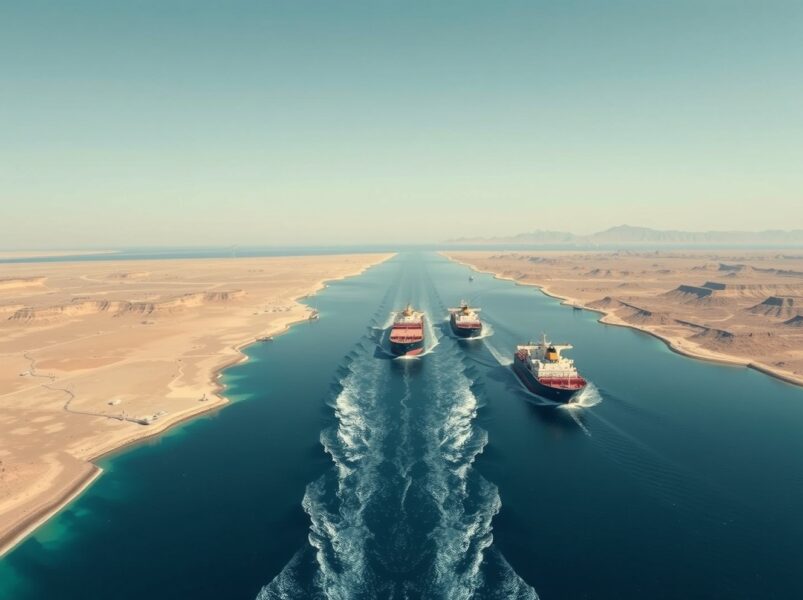
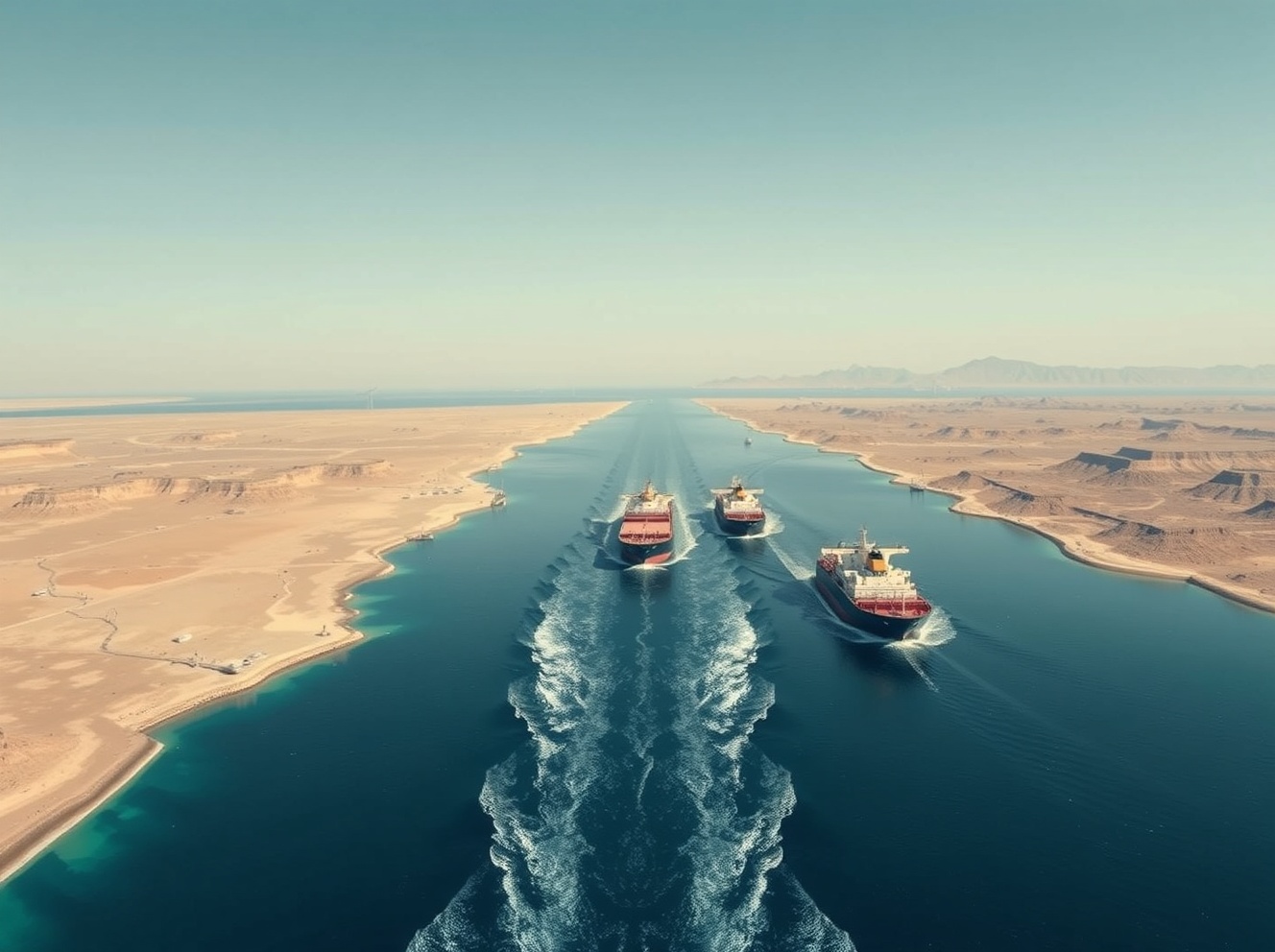
Iran has increasingly weaponized global energy dependencies through targeted disruption of maritime navigation in the Strait of Hormuz. This narrow waterway functions as the world’s most important oil transit chokepoint, with approximately 21 million barrels of oil passing through daily—representing about 21% of global petroleum consumption. Strategic analysts confirm that Iran’s Revolutionary Guard naval forces have developed sophisticated capabilities for harassing commercial shipping while maintaining plausible deniability.
The economic impacts manifest through multiple channels:
- Insurance Premium Increases: Shipping insurance costs for vessels transiting the Persian Gulf have risen by 300-400% during periods of heightened tension.
- Alternative Route Development: Some energy companies have begun investing in longer, costlier transportation alternatives.
- Market Volatility Amplification: Oil futures markets exhibit increased sensitivity to geopolitical events in the region.
Consequently, global energy markets now incorporate an “Iran risk premium” that fluctuates based on regional developments. This volatility creates planning challenges for both producers and consumers while complicating inflation management efforts worldwide.
The Strait of Hormuz as Pressure Lever
Maritime security experts note that Iran’s strategy involves calibrated escalation—applying enough pressure to demonstrate capability and resolve without triggering overwhelming international response. Tactics include:
- Seizure of commercial vessels under disputed legal pretenses
- Harassment by fast-attack craft and drone overflights
- Mine-laying exercises and warnings near shipping lanes
- Cyber attacks on port and shipping infrastructure
These actions achieve multiple objectives simultaneously: they raise global energy prices (benefiting Iranian oil sales despite sanctions), demonstrate military capabilities, and create bargaining chips for future negotiations.
Diplomatic Deadlock and Great Power Competition
Despite ongoing diplomatic efforts, substantial differences persist between Iranian and American positions across multiple issue areas. The hardening Iranian stance coincides with shifting great power dynamics, as Russia and China develop deeper economic and military relationships with Tehran. This evolving alignment creates new complexities for Western diplomatic initiatives, effectively providing Iran with alternative partnerships that reduce pressure for compromise.
Key sticking points in negotiations include:
- Nuclear Program Limitations: Disagreements over enrichment levels, monitoring access, and duration of restrictions
- Regional Activities: Western demands for curtailment of proxy support versus Iranian insistence on regional influence rights
- Sanctions Relief Sequencing: Disputes over which sanctions lift when during implementation
- Ballistic Missile Development: Iranian refusal to include conventional missile programs in negotiations
Meanwhile, the United States and European powers struggle to maintain unified positions, with differing economic interests and threat perceptions complicating coordinated policy responses.
Conclusion
Iran’s hardline political shift represents a pivotal development with far-reaching implications for Middle Eastern stability and global security architecture. The consolidation of power among figures with deep Revolutionary Guard connections and confrontational worldviews has diminished prospects for negotiated conflict resolution while increasing risks of regional escalation. Furthermore, Iran’s demonstrated willingness to weaponize global energy dependencies through Strait of Hormuz disruptions adds economic volatility to existing security concerns. As diplomatic channels narrow and regional tensions persist, the international community faces complex challenges in managing this evolving threat landscape while preventing broader conflict. The coming months will likely test crisis management mechanisms and determine whether containment or confrontation defines the next phase of Iran’s regional role.
FAQs
Q1: What triggered Iran’s recent political shift toward hardline positions?
The shift accelerated following recent regional conflicts that resulted in the removal of more moderate leaders. This created opportunities for figures with Revolutionary Guard backgrounds and confrontational approaches to consolidate power within Iran’s political and security institutions.
Q2: How does the Strait of Hormuz disruption affect global markets?
Approximately 21% of global oil consumption transits the Strait daily. Disruption risks increase shipping insurance costs, create supply uncertainty, and add volatility to energy prices worldwide, affecting both producers and consumers.
Q3: What are the main obstacles to diplomatic resolution?
Key obstacles include disagreements over nuclear program limitations, Iran’s regional proxy activities, sequencing of sanctions relief, and ballistic missile development. Additionally, Iran’s new hardline leadership shows less flexibility than previous administrations.
Q4: How does this shift affect Iran’s regional relationships?
The hardline stance may further isolate Iran from neighboring states seeking stability while strengthening alliances with non-state actors and great powers like Russia and China that share anti-Western orientations.
Q5: What are the long-term implications for Middle East stability?
Analysts warn of increased risk of prolonged regional confrontation, potential escalation involving multiple state and non-state actors, and continued volatility in global energy markets as Iran leverages strategic chokepoints for political advantage.
This post Iran’s Hardline Shift Sparks Regional Instability Crisis and Threatens Global Energy Security first appeared on BitcoinWorld.
0
0

 Manage all your crypto, NFT and DeFi from one place
Securely connect the portfolio you’re using to start.


0
0

0
0

0
0