
Critical Warning: CryptoQuant CEO Reveals Most Bitcoin On-Chain Indicators Are Bearish

0
0
BitcoinWorld
Critical Warning: CryptoQuant CEO Reveals Most Bitcoin On-Chain Indicators Are Bearish
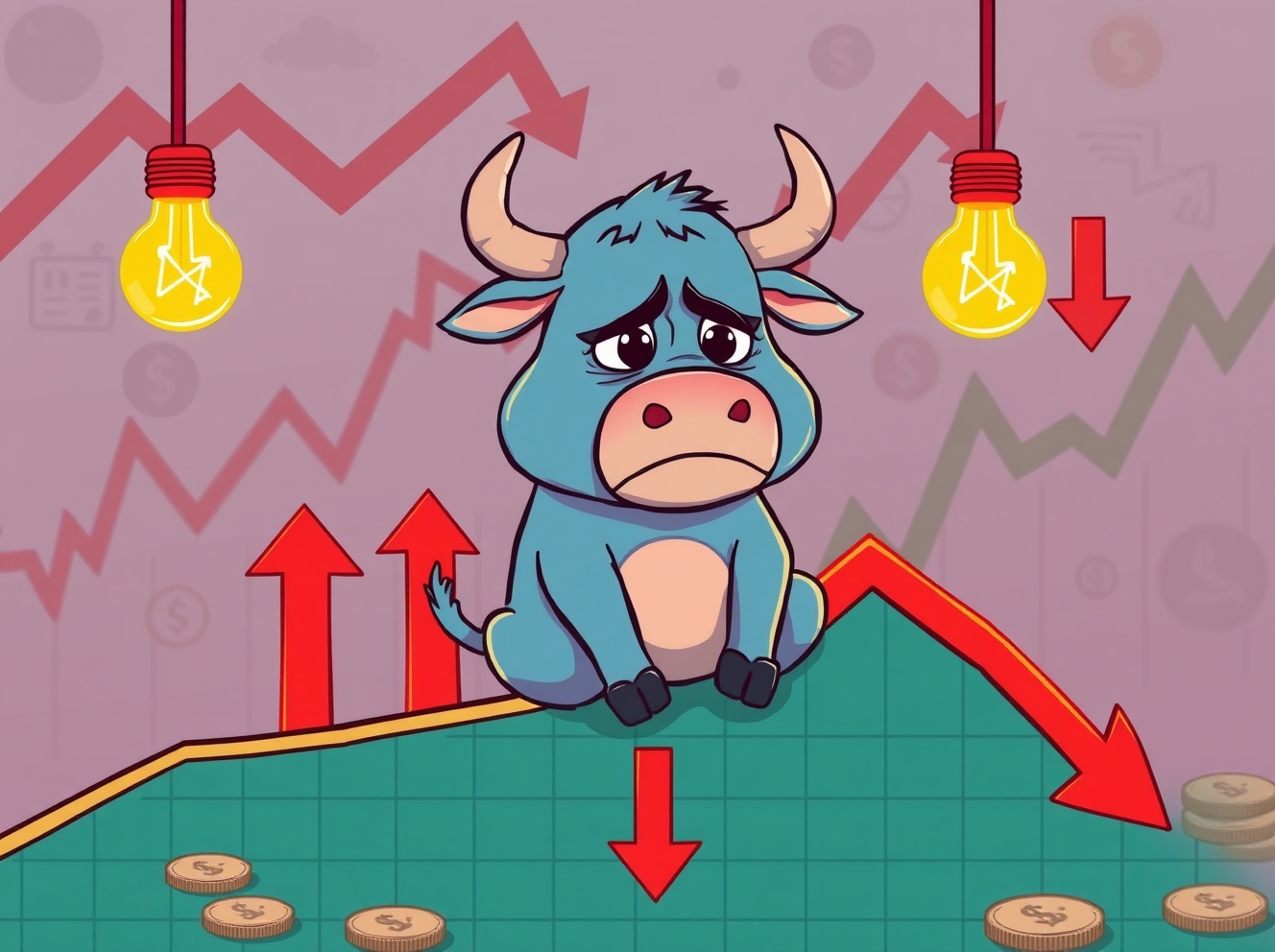
Are Bitcoin’s vital signs flashing red? Ju Ki-young, the CEO of leading analytics firm CryptoQuant, has issued a stark warning. He states that most Bitcoin on-chain indicators are currently showing significant weakness. This analysis suggests the market’s underlying health is deteriorating, and a full bear market could begin if macroeconomic liquidity dries up. For investors, understanding these signals is now more crucial than ever.
What Are Bitcoin On-Chain Indicators Telling Us?
On-chain data refers to information recorded directly on the Bitcoin blockchain. Unlike price charts, it reveals the real behavior of network participants. According to CryptoQuant’s CEO, a majority of these metrics are now painting a concerning picture. Think of them as the blockchain’s pulse and blood pressure. When they weaken, it often precedes a downturn in market sentiment and price. Key metrics under scrutiny include exchange flows, miner activity, and the behavior of long-term holders.
Why Is This Bearish Signal So Critical?
The warning is significant because Bitcoin on-chain indicators have a strong track record of predicting market shifts. They move beyond the noise of daily trading to show what investors are actually doing with their coins. For instance, a sustained increase in Bitcoin moving to exchanges can signal selling pressure. Currently, these fundamental metrics are aligning in a way that suggests caution. Therefore, ignoring this data could be risky for any market participant.
The Macroeconomic Liquidity Threat
Ju Ki-young added a crucial external factor: macroeconomic liquidity. This refers to the amount of money circulating in the global financial system. When central banks tighten policy and reduce liquidity, risk assets like Bitcoin often suffer. The CEO’s statement implies a dangerous combination:
- Internal Weakness: Poor Bitcoin on-chain indicators.
- External Pressure: A potential drain of macroeconomic liquidity.
Together, these forces could be the catalyst that pushes the market from correction into a prolonged bear phase.
What Should Investors Do Now?
Facing bearish Bitcoin on-chain indicators doesn’t mean you should panic. Instead, it’s a call for strategic vigilance. First, review your risk management. Ensure your portfolio can withstand increased volatility. Second, use this time for research. Bear markets often create opportunities to accumulate assets at lower prices, but timing is everything. Finally, keep a close watch on both blockchain data and Federal Reserve announcements, as both will guide the next major trend.
Conclusion: Navigating the Signals
The message from CryptoQuant’s CEO is clear. The blockchain’s own data is signaling weakness, and the macro environment could amplify it. While not a guarantee of immediate price collapse, these Bitcoin on-chain indicators are a powerful warning light on the dashboard. Successful investors will respect this data, adjust their strategies accordingly, and prepare for a potentially tougher market environment ahead. Staying informed and agile is your best defense.
Frequently Asked Questions (FAQs)
What are Bitcoin on-chain indicators?
They are metrics derived from data recorded on the Bitcoin blockchain, such as transaction volume, wallet activity, and coin movement. They help analyze investor behavior and network health beyond just price.
Which specific indicators are currently bearish?
While CryptoQuant didn’t list all, typically bearish signals include increased exchange inflows (hinting at selling), declining miner reserves, and reduced activity from long-term holder wallets.
Does bearish on-chain data always mean the price will drop?
Not always immediately. On-chain data often leads price action. It shows underlying stress that may eventually manifest in the market, especially if combined with negative external factors like poor macro liquidity.
How does macroeconomic liquidity affect Bitcoin?
Bitcoin is considered a risk asset. When central banks reduce liquidity (through higher interest rates or quantitative tightening), money flows out of risky investments, which can depress Bitcoin’s price.
Should I sell all my Bitcoin if indicators are bearish?
Not necessarily. It’s a signal to reassess your strategy, increase caution, and potentially strengthen your risk management. It may be a time to hold rather than aggressively buy.
Where can I check these on-chain indicators myself?
Platforms like CryptoQuant, Glassnode, and LookIntoBitcoin provide public charts and analysis of key on-chain metrics for free.
Found this analysis of Bitcoin on-chain indicators crucial? Help other investors stay informed by sharing this article on your social media channels. The more the community understands these signals, the better prepared everyone can be.
To learn more about the latest Bitcoin trends, explore our article on key developments shaping Bitcoin price action and institutional adoption.
This post Critical Warning: CryptoQuant CEO Reveals Most Bitcoin On-Chain Indicators Are Bearish first appeared on BitcoinWorld.
0
0

 Manage all your crypto, NFT and DeFi from one place
Securely connect the portfolio you’re using to start.


