
World Liberty Sues Justin Sun for Defamation in WLFI Dispute

0
0
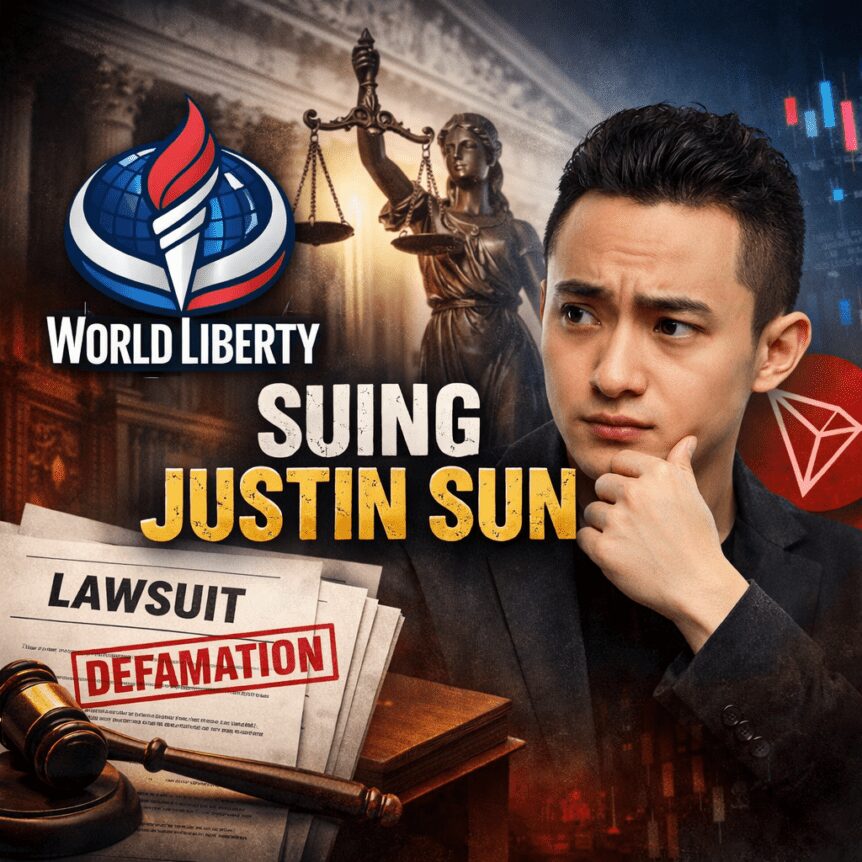
World Liberty Financial has filed a defamation lawsuit in Florida against Justin Sun, the Tron founder, intensifying a public fight between the Trump-family-backed crypto platform and one of its largest investors. The Eleventh Judicial Circuit Court in Miami-Dade County is the venue for the complaint, which accuses Sun of making false public statements about WLFI and of violating the project’s token-sale terms through alleged prohibited transfers, short-selling and straw purchases. The filing seeks a court-ordered retraction and damages.
Sun responded on X, describing the lawsuit as a “meritless PR stunt” and saying he looked forward to defeating the case in court. The action comes less than two weeks after Sun sued World Liberty over the freezing of his WLFI tokens, underscoring a broader clash over token controls and governance at WLFI.
In the broader context, WLFI has faced increasing scrutiny over its governance structure and the power dynamics surrounding its token. The project previously drew attention for a governance proposal to extend the lock-up period for early investors by an additional two years, a move Sun publicly labeled as “one of the most absurd governance scams I have ever seen.”
The WLFI project also bears political connections in its branding. The platform’s white paper identifies former President Donald Trump and his sons, Donald Trump Jr. and Eric Trump, as co-founders of the project, a detail WLFI has used to frame its narrative and investor outreach.
Key takeaways
- WLFI accuses Justin Sun of disseminating false statements about the project and of violating token-sale terms, seeking a retraction and damages via a court filing in Miami-Dade County.
- Sun publicly rejects the allegations, calling the lawsuit a “meritless PR stunt” and vowing to prevail in court.
- The defamation case follows Sun’s separate suit against WLFI over the alleged freezing of his WLFI tokens, highlighting a broader dispute over token controls and governance.
- WLFI governance and central-control concerns have resurfaced after a controversial March vote that WLFI said concentrated voting power in a small number of wallets, a claim Sun criticized as risky for holders.
- Market data show WLFI’s price has been volatile: the token rose about 5% in the 24 hours before a recent session but remains more than 80% down from its launch, reflecting investor caution around the platform’s governance and legal exposure.
Legal clash sharpens WLFI-Sun confrontation
The defamation complaint contends that Sun publicly characterized WLFI in a way that harmed the project’s reputation and, by extension, its investors. WLFI’s filing states that Sun engaged in statements viewed as defamatory and that he violated terms of sale tied to WLFI’s token distribution. The document requests a formal retraction and monetary damages intended to compensate WLFI and its employees for reputational harm.
Sun rejected the allegations in a Monday post on X, framing the suit as a calculated attempt to silence him. “This is a meritless PR stunt,” Sun wrote, signaling his expectation to contest the claims in court. The public flare-up sits on the heels of Sun’s own legal action against WLFI in which he challenges what he sees as an improper freeze on his WLFI holdings.
Governance under the microscope: concentration, votes, and the two-year hook
The WLFI governance saga has been a persistent thread in the controversy surrounding the project. In a prior development, WLFI proposed extending the lock-up window for early investors by two more years, a move that drew opposition from Sun. He described the proposal as a governance scheme that undermined investor rights and transparency.
Complicating the discourse is a March governance vote that WLFI described as indicating a troubling concentration of influence: WLFI said 76% of voting power came from just ten wallets. Sun dismissed the concentration claim as a serious red flag around centralized control and potential manipulation of governance outcomes. WLFI has defended its stance, while Sun’s team has threatened legal action in response to what they describe as mischaracterizations and attempts to obscure its own conduct.
The white paper for WLFI lists Donald Trump and his sons as co-founders, a detail that feeds into the project’s branding and investor outreach. The arrangement has invited scrutiny about governance legitimacy and the degree to which the project’s leadership can be considered representative of the broader WLFI community, especially as token control and freezing rights come under public debate.
Key moments in the ongoing dispute include Sun’s acknowledgement that WLFI’s freezing authority exists as part of the project’s risk-management framework, and WLFI’s insistence that Sun was aware of this power when he participated in the presale. The lawsuit contends that Sun’s later statements about freezing as a “trap door” were defamatory attempts to harm WLFI’s standing and to influence price and market sentiment to Sun’s financial benefit.
Token controls, freezing rights, and investor implications
Sun’s WLFI address was blacklisted in September 2025 after blockchain monitoring platforms flagged a substantial transfer, a discovery Sun later framed as an unwarranted seizure of his investment. Sun has argued that his tokens were frozen improperly, urging WLFI to unlock his holdings. WLFI’s filing counters that Sun was fully aware of the platform’s right to freeze user tokens to safeguard token holders and the community, and that he had previously agreed to the project’s Terms of Sale.
Tom Clare, the attorney representing World Liberty Financial, framed the filing as a necessary measure to protect WLFI’s tokenholders and employees. He said Sun opted to defame WLFI instead of engaging in constructive discourse, describing the legal action as a “last resort” to defend the project’s governance and integrity.
The battle over freezing rights and governance decisions is not simply a civil dispute; it sits at the intersection of investor protections, platform governance, and the reputational risk that comes from association with high-profile political branding. WLFI argues that its actions were legitimate governance tools designed to protect holders, while Sun argues that the safeguards have been weaponized against him and potentially manipulated to his detriment.
Market data reflect a cautious sentiment around WLFI. According to CoinMarketCap, WLFI rose about 5% in the 24-hour window leading up to a recent session, yet the token remains down more than 80% since its launch. The price trajectory underscores the broader investor concerns about governance transparency, token utility, and the legal entanglements surrounding the project.
What to watch next for WLFI and the broader ecosystem
The unfolding legal battle will test WLFI’s governance framework, particularly its ability to balance protective controls with transparent, accountable decision-making that stands up to regulatory and investor scrutiny. The case will likely cast a long shadow over WLFI’s reputation, its relationship with high-profile backers, and the perceived legitimacy of its tokenomics and sale terms.
Observers will want to monitor whether the court orders a retraction and damages, how Sun’s defense unfolds, and whether WLFI can demonstrate a robust governance model that can withstand public scrutiny and investor risk assessments. The dynamic also raises questions for other projects with centralized control features or branding that ties to political figures, as real-world governance and legal accountability become increasingly central to investor confidence in crypto platforms.
Next steps are unclear in terms of timing, but the outcomes could influence WLFI’s token-holders, existing investors, and potential future backers. Investors should watch for court filings, responses from Sun, and any shifts in WLFI’s governance proposals or risk-management disclosures as the litigation progresses.
Sources and references for the ongoing coverage include WLFI’s court filing and public statements, Sun’s posts on X, prior Cointelegraph reporting on WLFI’s governance and token-freeze disputes, and WLFI’s white paper detailing its claimed founders and governance framework. Readers are encouraged to verify information through the linked materials as cases develop.
This article was originally published as World Liberty Sues Justin Sun for Defamation in WLFI Dispute on Crypto Breaking News – your trusted source for crypto news, Bitcoin news, and blockchain updates.
0
0


 Beheer al jouw cryptovaluta, NFT en DeFi vanaf één plek
Verbind de portfolio die je gebruikt veilig om te beginnen.


