
Donald Trump Iran Threat: Explosive Warning Over Qatar Attack Triggers Persian Gulf Crisis

0
0
BitcoinWorld
Donald Trump Iran Threat: Explosive Warning Over Qatar Attack Triggers Persian Gulf Crisis
WASHINGTON, D.C. – March 15, 2025 – Former US President Donald Trump issued a stark warning today, threatening military strikes against Iran’s strategic South Pars gas field if Qatar faces another attack. This declaration immediately escalated tensions across the Persian Gulf region and sent shockwaves through global energy markets. The statement represents a significant development in Middle Eastern geopolitics, potentially reshaping security dynamics and energy supply chains. Analysts now scrutinize the implications for international relations and regional stability.
Donald Trump Iran Threat: Analyzing the Strategic Warning
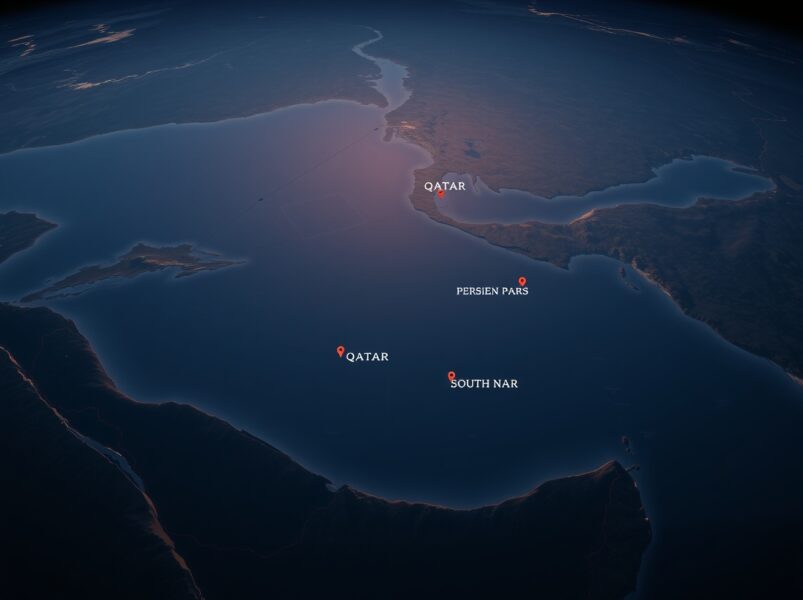
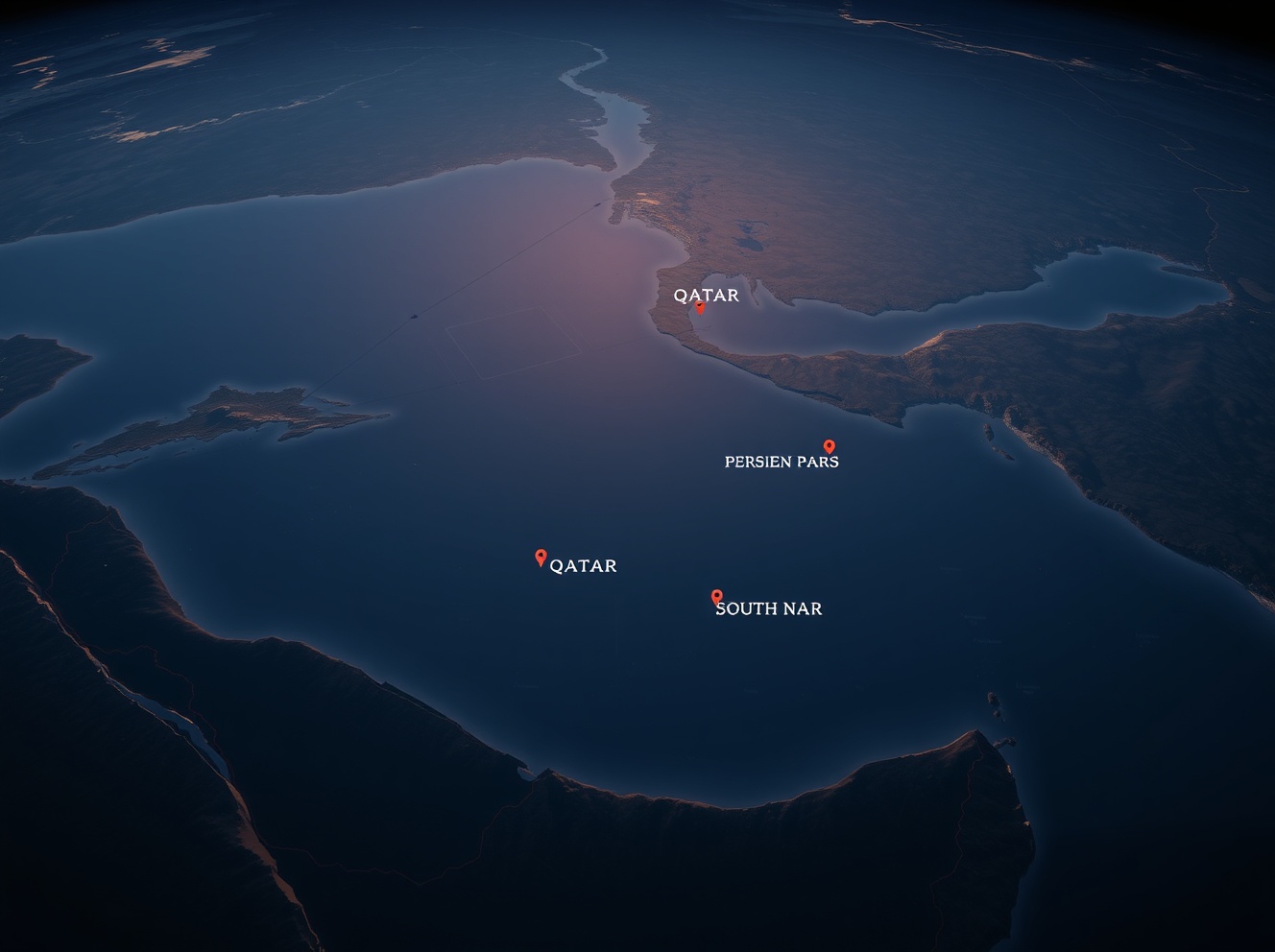
Donald Trump’s specific threat targets Iran’s South Pars gas field, the world’s largest natural gas reservoir. This facility shares maritime borders with Qatar’s North Field, creating a unique geopolitical configuration. The South Pars field contains approximately 40% of Iran’s proven gas reserves. Consequently, any military action would severely impact Iran’s economy and global energy supplies. Furthermore, the statement follows recent unconfirmed reports of drone incidents near Qatari energy infrastructure. Regional observers note this represents Trump’s most direct military threat toward Iran since leaving office.
Energy experts immediately calculated potential market impacts. The South Pars field produces about 700 million cubic meters of gas daily. Therefore, disruption could remove 20% of global LNG supply capacity. Asian and European markets would face immediate price spikes. Additionally, shipping through the Strait of Hormuz might encounter significant delays. Insurance premiums for tankers could skyrocket overnight. Global oil prices already showed volatility following the announcement.
Historical Context of Qatar-Iran Relations
Qatar and Iran maintain complex diplomatic and economic ties despite regional pressures. Both nations share the massive North Field/South Pars gas reservoir. This geological reality creates inevitable economic interdependence. Qatar restored full diplomatic relations with Iran in 2017 during the Gulf diplomatic crisis. Since then, trade and energy cooperation have gradually expanded. However, Qatar simultaneously maintains strong security partnerships with Western nations, including the United States.
The Al-Udeid Air Base in Qatar hosts the largest US military installation in the Middle East. This facility serves as Central Command’s forward headquarters. Consequently, any attack on Qatar directly implicates US military personnel and assets. Pentagon officials historically viewed Qatar’s relationship with Iran through a pragmatic lens. They recognize Qatar’s delicate balancing act between regional powers. Nevertheless, security guarantees to Qatar remain a cornerstone of US Middle East policy.
Expert Analysis of Escalation Risks
Former State Department officials express concern about the threat’s timing. Regional tensions already run high due to ongoing nuclear negotiations. The International Atomic Energy Agency recently reported increased Iranian uranium enrichment. European diplomats struggle to revive the 2015 nuclear agreement. Meanwhile, Iran continues supporting various regional proxy groups. These factors create a volatile environment where miscalculations could trigger broader conflict.
Military analysts examine potential strike scenarios against South Pars. The field comprises multiple offshore platforms and underwater pipelines. Precision strikes could target specific infrastructure without causing massive environmental damage. However, Iran maintains sophisticated air defense systems around critical energy assets. Russian-made S-300 batteries protect key coastal installations. Any US military operation would require extensive planning and significant resources.
Global Energy Market Implications
The global natural gas market faces unprecedented uncertainty following Trump’s statement. Europe particularly depends on stable LNG supplies since reducing Russian pipeline imports. Asian economies like Japan and South Korea require consistent LNG deliveries for power generation. Any disruption to Qatari exports or Iranian production would create immediate shortages. Consequently, prices could reach record levels within days.
Major energy companies operating in the region monitor developments closely. Shell, TotalEnergies, and ExxonMobil all have substantial investments in Qatari LNG projects. These corporations now review security protocols and contingency plans. Insurance underwriters at Lloyd’s of London reportedly adjust risk assessments for Persian Gulf energy assets. Shipping companies consider rerouting vessels away from potential conflict zones.
| Facility | Location | Daily Output | Global Share |
|---|---|---|---|
| South Pars Gas Field | Iran | 700M cubic meters | 8% |
| North Field | Qatar | 650M cubic meters | 7% |
| Ras Laffan Terminal | Qatar | 110M tons LNG/year | 20% |
Regional Security Dynamics and Responses
Gulf Cooperation Council members reacted cautiously to Trump’s statement. Saudi Arabia and the United Arab Emirates maintain strained relations with both Iran and Qatar. However, they recognize that conflict would endanger all regional energy exports. These nations previously accused Iran of attacking tankers near the Strait of Hormuz. They now balance security concerns with economic realities.
Iranian officials issued a firm response through state media channels. Foreign Ministry spokesman Nasser Kanaani called the threat “irresponsible warmongering.” He emphasized Iran’s right to defend its territorial integrity and economic assets. Revolutionary Guard commanders conducted previously scheduled naval exercises in the Gulf. These maneuvers demonstrate Iran’s military capabilities without directly escalating the situation.
Key regional security considerations include:
- Strait of Hormuz transit: 21 million barrels of oil pass daily
- US naval presence: Fifth Fleet based in Bahrain
- Iranian asymmetric capabilities: Speedboats and coastal missiles
- International patrols: Combined Maritime Forces operations
Legal and Diplomatic Dimensions
International law experts debate the threat’s legality under United Nations statutes. The UN Charter prohibits threats of force against territorial integrity. However, the right to collective self-defense might apply if Qatar requests assistance. The US-Qatar Defense Cooperation Agreement provides a framework for military response. This 2022 agreement explicitly covers attacks on Qatari critical infrastructure.
Diplomatic channels remain active despite the public rhetoric. Swiss intermediaries facilitate US-Iran communications since the two nations lack direct relations. Qatari mediators continue efforts to de-escalate tensions. The European Union’s foreign policy chief scheduled emergency consultations with regional ambassadors. These behind-the-scenes efforts aim to prevent accidental escalation.
Conclusion
Donald Trump’s threat against Iran’s gas field represents a pivotal moment in Persian Gulf security. This declaration directly links energy infrastructure protection to US security guarantees. Consequently, global markets now factor geopolitical risk into energy pricing. Regional powers must navigate carefully to avoid catastrophic conflict. The international community watches for Iran’s next moves and Qatar’s security situation. Ultimately, this Donald Trump Iran threat underscores the fragile balance between energy security and military deterrence in the world’s most strategic waterways.
FAQs
Q1: What specifically did Donald Trump threaten regarding Iran?
Donald Trump threatened military strikes against Iran’s South Pars gas field if Qatar experiences another attack. He specifically mentioned targeting energy infrastructure rather than population centers.
Q2: Why would the US protect Qatar with such a strong response?
Qatar hosts the largest US military base in the Middle East at Al-Udeid. The US-Qatar Defense Cooperation Agreement obligates protection. Additionally, Qatar supplies 20% of global LNG, making its security economically vital.
Q3: How has Iran responded to this threat?
Iran’s Foreign Ministry condemned the statement as “warmongering” and emphasized Iran’s right to self-defense. The Revolutionary Guard conducted naval exercises, demonstrating capability without immediate escalation.
Q4: What would be the global impact of attacking Iran’s gas field?
Disrupting South Pars could remove 8% of global gas supply, spiking prices worldwide. Shipping through the Strait of Hormuz might halt, affecting 21 million barrels of daily oil transit.
Q5: Are there diplomatic efforts to de-escalate this situation?
Yes, Swiss intermediaries facilitate US-Iran communications. Qatari mediators work behind the scenes, and the EU scheduled emergency consultations with regional ambassadors to prevent accidental conflict.
This post Donald Trump Iran Threat: Explosive Warning Over Qatar Attack Triggers Persian Gulf Crisis first appeared on BitcoinWorld.
0
0


 Manage all your crypto, NFT and DeFi from one place
Securely connect the portfolio you’re using to start.

0
0


0
0

0
0