
Trump’s Trust in Iranians: A Surprising Shift in US Foreign Policy Dynamics

0
0
BitcoinWorld
Trump’s Trust in Iranians: A Surprising Shift in US Foreign Policy Dynamics
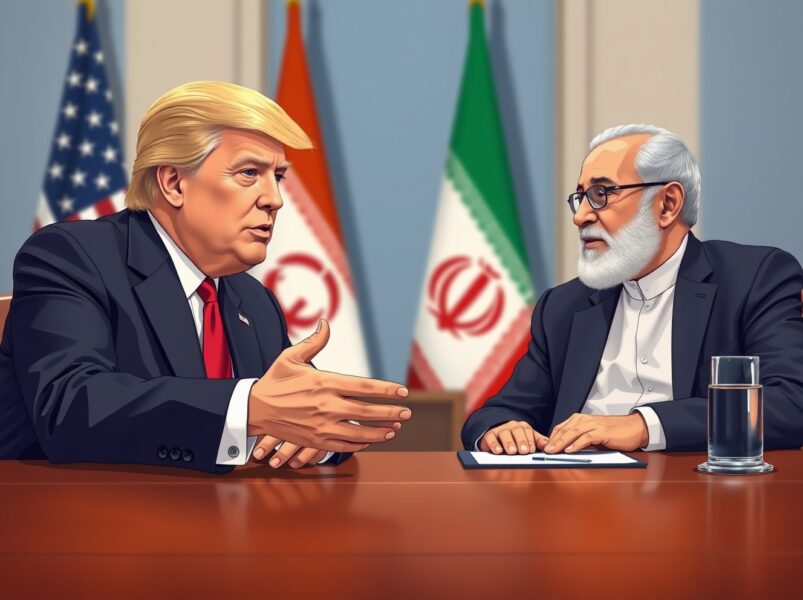
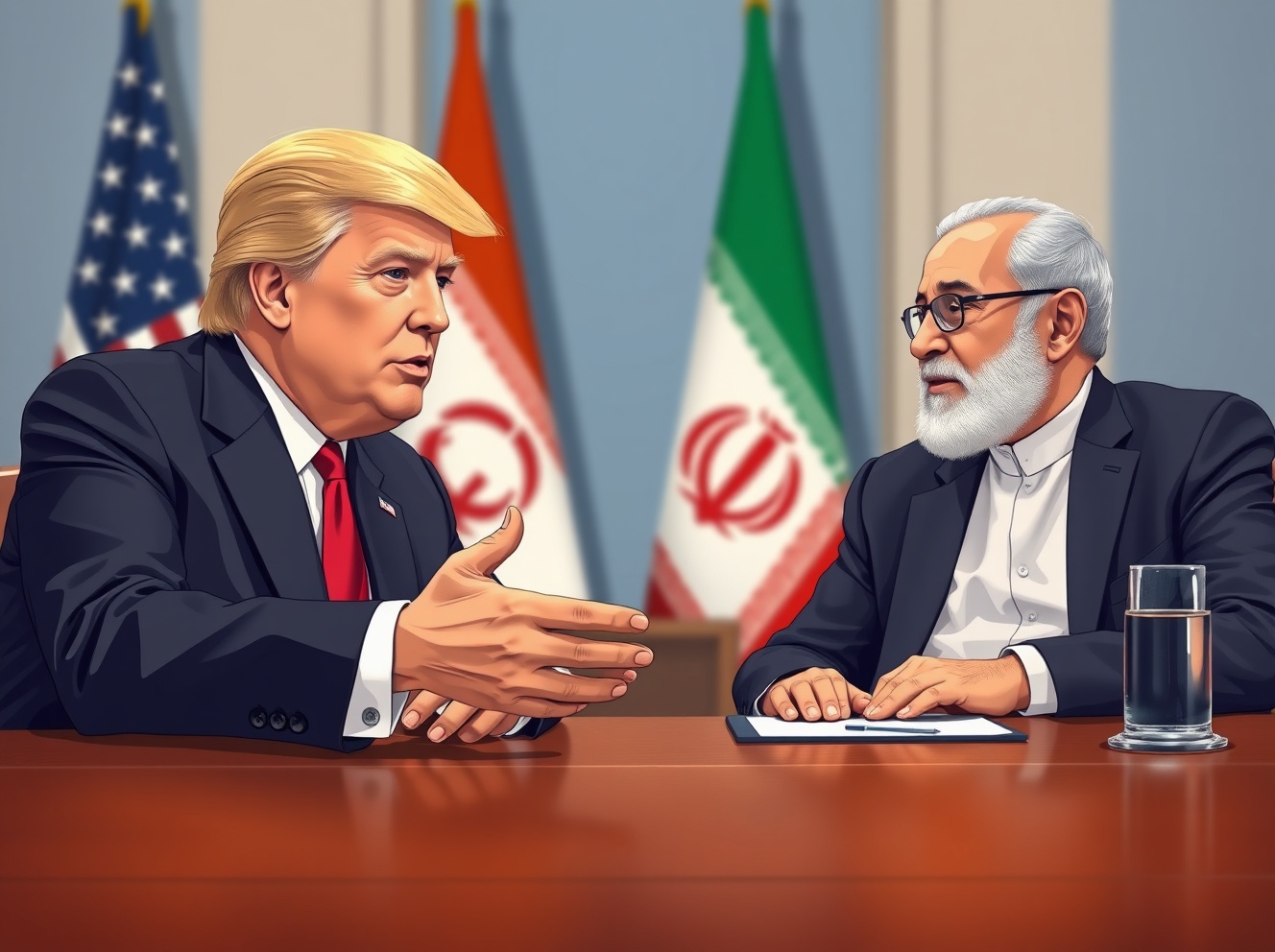
WASHINGTON, D.C. – In a statement that has reverberated through diplomatic circles, former President Donald Trump recently expressed a notable perspective on international relations, specifically mentioning he “can trust Iranians.” This remark, reported by ABC News, arrives at a critical juncture for Middle Eastern geopolitics and ongoing nuclear negotiations. Consequently, analysts are scrutinizing this comment for its potential implications on future diplomatic engagements between the United States and the Islamic Republic of Iran.
Analyzing Trump’s Statement on Trusting Iranians
President Trump’s assertion about trust represents a significant rhetorical departure. Historically, his administration maintained a consistently hardline stance toward Iran, characterized by the 2018 withdrawal from the Joint Comprehensive Plan of Action (JCPOA), commonly known as the Iran nuclear deal. Furthermore, his administration implemented a policy of “maximum pressure” through stringent economic sanctions. Therefore, this new statement invites a deeper examination of the context and its possible strategic intentions. Experts suggest such comments could signal an openness to dialogue or reflect a personal assessment separate from formal policy. However, without accompanying policy shifts, the practical impact remains uncertain.
The Complex History of US-Iran Relations
To understand the weight of this statement, one must consider the decades-long, fraught relationship between the two nations. Key events define this history:
- 1979 Iranian Revolution: The overthrow of the US-backed Shah and the subsequent hostage crisis severed diplomatic ties.
- Nuclear Negotiations: Years of tension culminated in the 2015 JCPOA under President Obama, which Trump later abandoned.
- Maximum Pressure Campaign: The Trump-era sanctions aimed to curb Iran’s nuclear and regional activities.
- Recent Indirect Talks: Efforts to revive the nuclear deal have continued under the Biden administration, with fluctuating progress.
This backdrop makes any talk of “trust” particularly noteworthy. The relationship has been built more on mutual suspicion than confidence for over forty years.
Expert Analysis on Diplomatic Signaling
Foreign policy scholars provide critical context for interpreting such remarks. Dr. Anahita Rahman, a senior fellow at the Center for Strategic and International Studies, notes, “In diplomacy, public statements about trust are rarely casual. They can be trial balloons, signals to other stakeholders, or attempts to reframe a narrative.” She emphasizes that the comment’s impact depends heavily on subsequent actions from both sides. Meanwhile, regional analysts point out that internal politics within both the US and Iran significantly influence any potential thaw. For instance, upcoming elections and leadership considerations can alter diplomatic calculus overnight.
Potential Impacts on Nuclear Diplomacy and Regional Stability
The statement arrives as negotiations to restore the JCPOA remain stalled. A declaration of trust, even from a former president, could theoretically alter the psychological landscape of these talks. Proponents of diplomacy argue that rebuilding some baseline trust is essential for any lasting agreement. Conversely, critics warn that premature expressions of trust could weaken the US negotiating position. Regionally, allies like Israel and Saudi Arabia, who strongly opposed the original nuclear deal, are likely monitoring such developments closely. Their reactions and security concerns will be a major factor in any policy evolution.
Comparative Table: US Presidential Approaches to Iran
| President | Key Policy | Rhetorical Tone | Outcome |
|---|---|---|---|
| Barack Obama | Diplomacy (JCPOA) | Engagement, Cautious Optimism | Nuclear Deal Signed (2015) |
| Donald Trump (Term) | Maximum Pressure | Confrontational, Skeptical | Deal Withdrawn, Sanctions Re-imposed |
| Joe Biden | Return to Diplomacy | Pragmatic, Conditional | Ongoing Indirect Negotiations |
| Trump (Current Remark) | Unclear | Expressed Trust | Potential Signal for New Approach |
This table illustrates the stark shifts in strategy, highlighting how Trump’s latest comment diverges from his own previous administrative posture.
Conclusion
President Trump’s comment about being able to trust Iranians presents a fascinating pivot in the long-running saga of US-Iran relations. While the immediate policy consequences are unclear, the statement undeniably adds a new layer to the diplomatic discourse. Ultimately, trust in international relations must be earned through verifiable actions and sustained engagement. As the situation develops, observers will watch to see if this rhetorical shift leads to tangible changes in approach from key figures on both sides, potentially affecting nuclear non-proliferation efforts and regional stability in the Middle East.
FAQs
Q1: What exactly did President Trump say about Iran?
Former President Donald Trump stated in an interview that he “can trust Iranians,” a remark reported by ABC News that contrasts with his earlier administration’s “maximum pressure” policy.
Q2: How does this affect the Iran nuclear deal negotiations?
While the comment comes from a former president, it could influence the political atmosphere surrounding the stalled talks, potentially opening doors for renewed dialogue or reframing the discussion around trust-building.
Q3: What was Trump’s previous policy toward Iran?
As president, Trump withdrew the US from the 2015 Iran nuclear deal (JCPOA) and reinstated severe economic sanctions as part of a “maximum pressure” campaign to limit Iran’s nuclear and regional activities.
Q4: How have other US presidents approached Iran?
Policies have varied: Obama pursued diplomacy leading to the JCPOA, Trump enacted pressure, and Biden has sought a return to negotiations. Each approach reflects different levels of stated trust and strategic calculation.
Q5: Why is trust such a significant issue with Iran?
US-Iran relations have been hostile since 1979, marked by deep mutual suspicion. Trust is a foundational element for any durable diplomatic agreement, making its mention particularly notable.
This post Trump’s Trust in Iranians: A Surprising Shift in US Foreign Policy Dynamics first appeared on BitcoinWorld.
0
0

 Manage all your crypto, NFT and DeFi from one place
Securely connect the portfolio you’re using to start.

0
0

0
0

0
0

0
0