
Ukraine Transfers $8.3M In Seized USDT To State Management

0
0
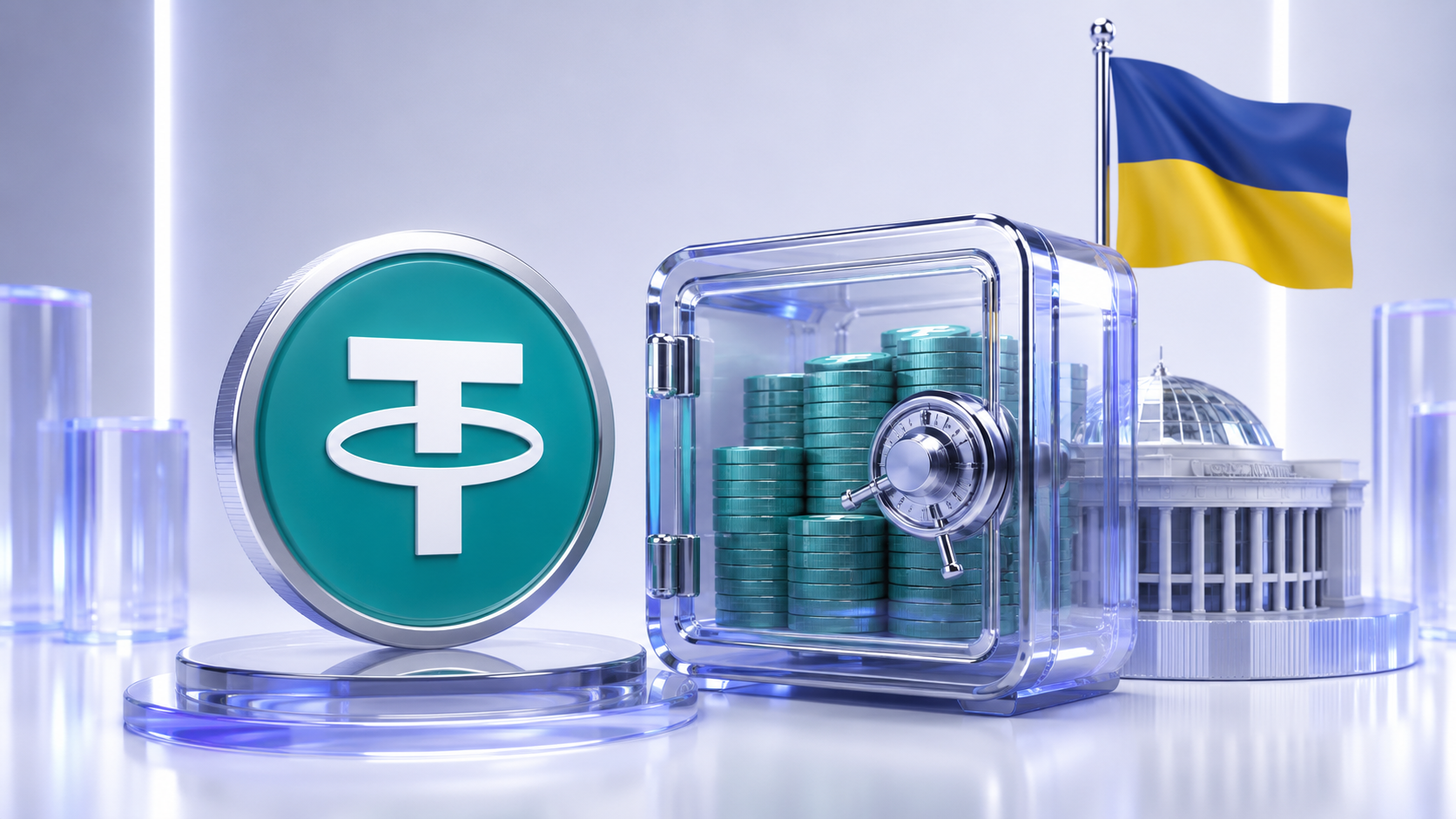
Ukraine transferred more than 8.3 million USDT into state management, marking the country’s first completed transfer of seized virtual assets to the National Agency for Finding, Tracing and Management of Assets, known as ARMA.
The tokens were worth more than 372 million hryvnias at the time of transfer. The funds moved to an ARMA crypto wallet after being seized in a case involving an international hacking group accused of cyberattacks, data theft, ransom demands and laundering proceeds through property purchases in Ukraine.
The case gives Ukraine a live test for managing seized digital assets instead of leaving them frozen in wallets controlled by investigators. That shift matters because USDT is liquid, transferable and exposed to wallet, custody and policy risk in a different way from seized real estate, vehicles or cash.
The assets were tied to crypto wallets controlled by a member of the alleged hacking group. Ukrainian investigators placed estimated damages from the group’s activity above $100 million, with alleged victims in Europe and the United States.
Hacker Case Includes $11.1M In Seized Assets
The USDT transfer is part of a wider cybercrime investigation. Four people, including the alleged organizer, are in custody. Authorities seized more than $11.1 million in assets across the case, including homes, apartments, cars, about $1 million in cash and the 8.3 million USDT now under ARMA management.
The transfer puts stablecoins directly inside Ukraine’s asset-recovery system. ARMA normally manages seized property before a final court decision, but virtual assets create extra operational questions around custody, wallet access, liquidation timing, price stability and transaction monitoring.
USDT’s role also makes the case broader than a single cybercrime seizure. Dollar stablecoins are increasingly treated as financial infrastructure in weak-currency, high-friction or cross-border environments, a point already visible as central banks link stablecoins to dollar dominance through private digital rails.
Ukraine has been one of Europe’s most crypto-active markets since the war began, with digital assets used for donations, savings access, remittances and trading. Kraken’s recent Ukraine launch also showed how major exchanges still view the country as a meaningful crypto market despite wartime banking and regulatory pressures.
Crypto Reserve Debate Remains Separate
The ARMA transfer does not itself create a national crypto reserve. It moves seized USDT into state management after a criminal investigation, while Ukraine’s crypto-reserve debate remains a separate legislative track.
Ukrainian lawmakers previously submitted draft legislation that would allow the National Bank of Ukraine to include virtual assets in the country’s gold and foreign-exchange reserves. That proposal would give the central bank legal room to hold crypto as part of national reserves, but it is not the same as ARMA managing seized USDT from a cybercrime case.
The distinction matters because seized assets, forfeited assets and reserve assets are not identical. A state can hold confiscated tokens temporarily before sale, distribution or court-directed handling without treating them as strategic reserves. A national reserve would require a clearer legal framework, custody policy, risk rules and decisions over whether assets such as Bitcoin, USDT or other tokens can sit beside traditional reserve instruments.
Ukraine now has more than 8.3 million USDT under ARMA management, worth over 372 million hryvnias at transfer, while the wider investigation includes more than $11.1 million in seized assets and alleged cybercrime damages above $100 million.
The post Ukraine Transfers $8.3M In Seized USDT To State Management appeared first on Crypto Adventure.
0
0

 Manage all your crypto, NFT and DeFi from one place
Securely connect the portfolio you’re using to start.

0
0

0
0

0
0

0
0