
KOSPI Surge Triggers Buy-Side Sidecar: What It Means for South Korean Markets

0
0
BitcoinWorld
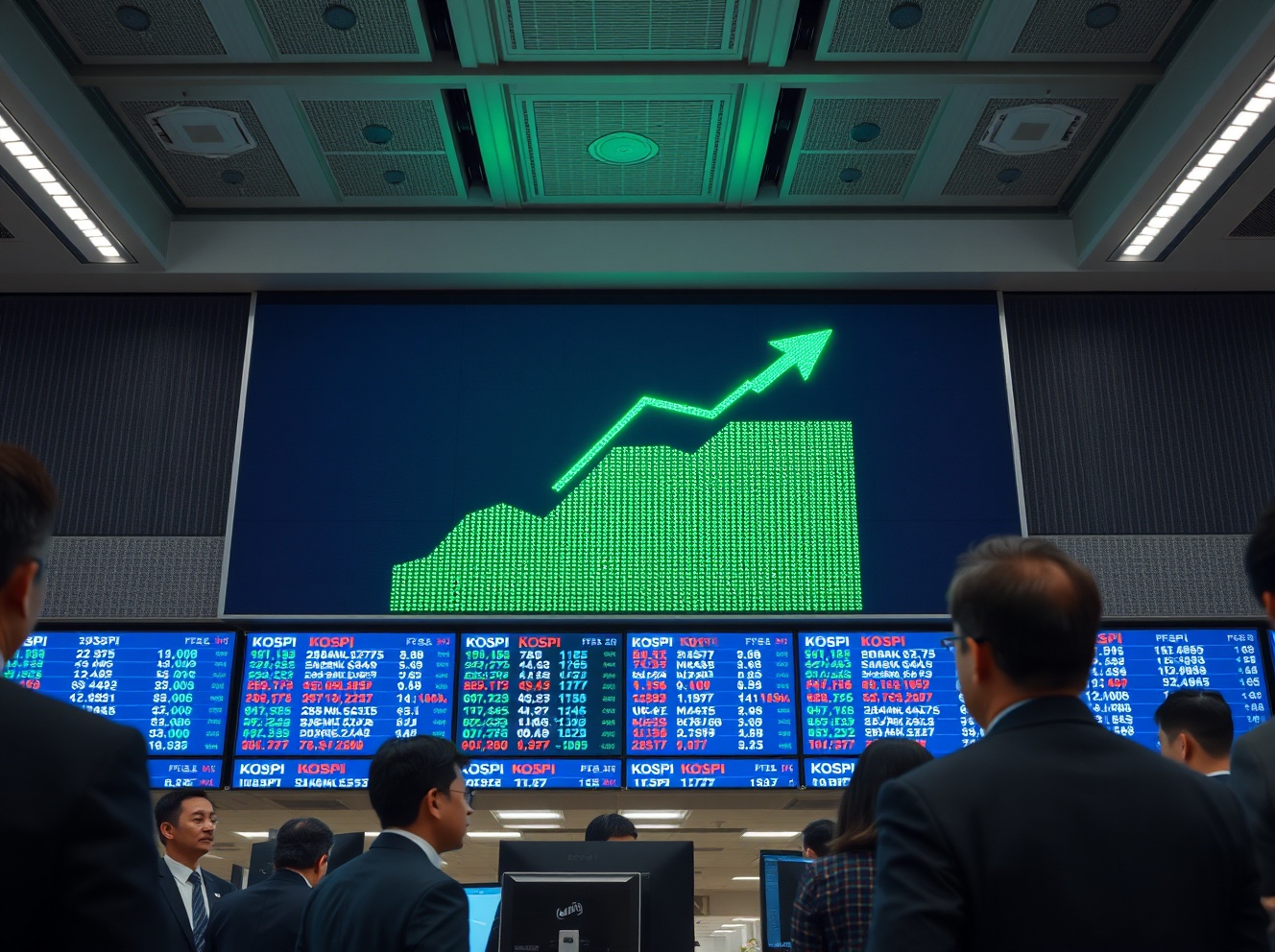
KOSPI Surge Triggers Buy-Side Sidecar: What It Means for South Korean Markets
South Korea’s benchmark KOSPI index triggered a buy-side sidecar on [date], temporarily halting program trading after a sharp upward move. The sidecar, a circuit breaker mechanism designed to cool rapid price swings, was activated as the index surged beyond the predetermined threshold, reflecting heightened buying pressure in the market.
What Is a Buy-Side Sidecar?
A sidecar is a temporary trading halt applied specifically to program trading—automated, large-volume trades executed by institutions. When the KOSPI rises or falls more than a certain percentage (typically 3% or more) from the previous day’s close, the sidecar suspends program trading for five minutes. This pause allows manual traders to assess the situation and prevents algorithmic orders from amplifying the move.
Why Did the KOSPI Surge?
The exact catalyst for today’s surge is still being assessed, but market participants point to a combination of strong foreign investor buying, positive economic data releases, and optimism around global tech stocks. South Korea’s export-driven economy, particularly its semiconductor and battery sectors, has been sensitive to global demand signals, and any positive news can trigger concentrated buying.
Market Impact and Trader Response
While the sidecar introduces a brief pause, it does not halt regular manual trading. Individual stocks continue to trade normally. Historically, sidecars have been seen as stabilizing mechanisms, giving the market a moment to absorb information. However, they can also signal heightened volatility, which may concern retail investors. The Korea Exchange (KRX) monitors such events closely and may issue additional guidance if volatility persists.
Conclusion
The activation of a buy-side sidecar on the KOSPI underscores the current market dynamics in South Korea—strong upward momentum driven by institutional and foreign inflows. For traders and investors, understanding these circuit breakers is essential for navigating periods of rapid price movement. The market will continue to watch for further developments, including any regulatory responses or shifts in investor sentiment.
FAQs
Q1: How long does a KOSPI sidecar last?
A: The sidecar suspends program trading for five minutes. After the pause, program trading resumes automatically.
Q2: Does a sidecar affect individual stock trading?
A: No. The sidecar only halts program trading. Regular manual trading of individual stocks continues without interruption.
Q3: What is the threshold for triggering a KOSPI sidecar?
A: A sidecar is triggered when the KOSPI index moves 3% or more from the previous day’s close, either upward (buy-side) or downward (sell-side).
This post KOSPI Surge Triggers Buy-Side Sidecar: What It Means for South Korean Markets first appeared on BitcoinWorld.
0
0

 Manage all your crypto, NFT and DeFi from one place
Securely connect the portfolio you’re using to start.

0
0

0
0

0
0

0
0