
Uphold-Linked VISA Card Puts XRP Up As Collateral

0
0
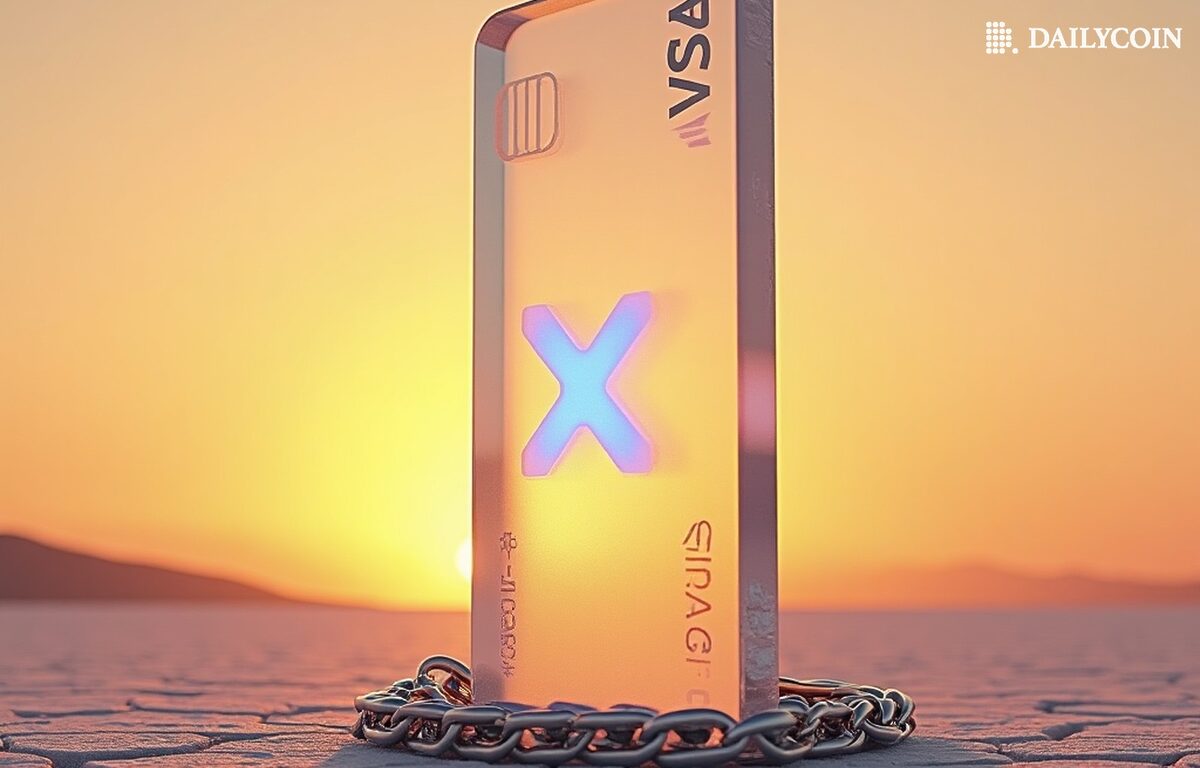
According to Dr. Kamilah Stevenson, the virtual card is offered through Uphold and operates via the Exactly Protocol, an on-chain decentralized lending protocol. Uphold’s U.S. president, Nancy Beaton, reportedly introduced XRP collateral support earlier this month.
The mechanism is rather straightforward: users lock XRP as collateral, borrow against it, and use the resulting credit line for purchases through a phone wallet. The host says the card has no annual fee or credit check, can be repaid in cash, crypto or other assets, and offers repayment in as many as eight fixed installments.
Availability, borrowing rates and terms vary by U.S. state, the YouTube review notes. The card is virtual rather than physical, and the speaker cites Visa’s network of roughly 150 million merchant locations.
The distinction from many crypto debit cards is central to the pitch. Debit-style products may sell crypto in the background to settle each purchase, potentially creating a taxable disposal in the U.S.
By contrast, the Exa structure described in the video borrows against XRP rather than selling it, meaning the speaker says the transaction itself should not create taxable income.
Kamilah Stevenson also emphasizes that borrowing against a volatile token is not a risk-free substitute for selling. If XRP declines sharply, the collateral may no longer satisfy the protocol’s required margin. Borrowers could be asked to provide additional collateral, or some of their pledged XRP could be sold automatically to repay the loan.
That outcome could create exactly the problem users hoped to avoid: a forced sale during a market downturn, potentially accompanied by a taxable event. The host also flags smart-contract and protocol risk, since collateral is placed into an on-chain lending system rather than held through a conventional bank lending arrangement.
Dr. Stevenson argues that collateralized borrowing is best suited to holders with surplus liquidity, emergency savings and the ability to add collateral if markets move against them. Using volatile crypto to cover an existing cash shortfall, she warns, can leave a borrower with both debt obligations and fewer coins.
Dive into DailyCoin’s hottest crypto news right now:
SoFi Taps Kraken to Power Crypto Trading Behind Its Banking App
Japan’s 10Y Bond Yield Hits 3%. Why Bitcoin Should Pay Attention
0
0

 Manage all your crypto, NFT and DeFi from one place
Securely connect the portfolio you’re using to start.


