
Solana Slowdown 2026: 90% TPS Drop Raises Scalability Concerns

0
0
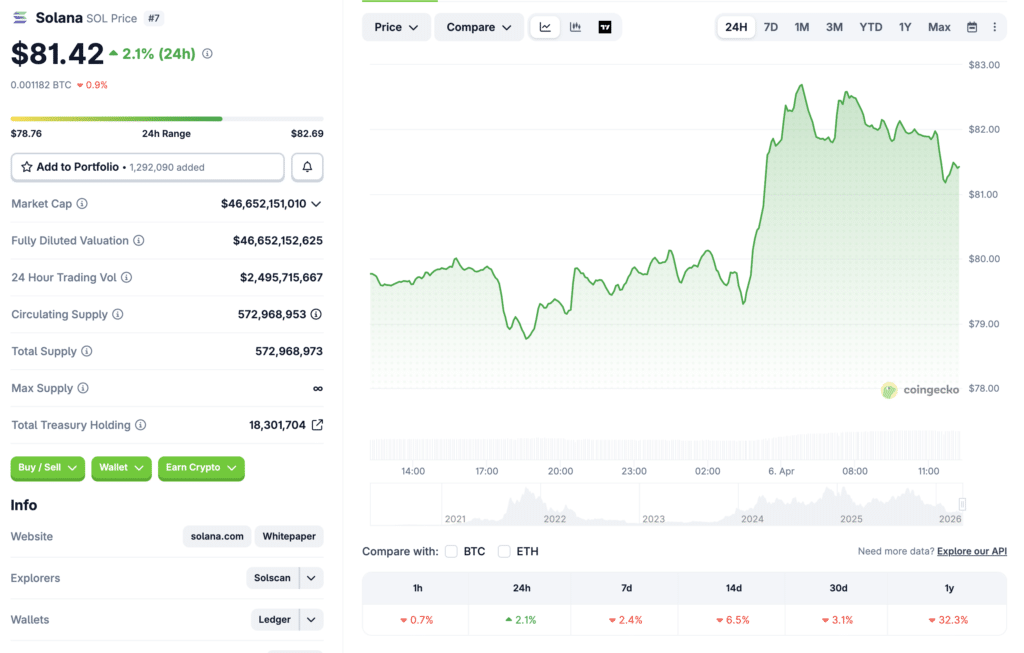
Solana Slowdown 2026 has captured the attention of traders and blockchain enthusiasts alike as the network faces a dramatic performance test. As of today, the live Solana price stands at $82.01 USD with a 24‑hour trading volume of $3,018,649,823 USD and a market cap of $46,990,389,876 USD, with a circulating supply of 572,969,015 SOL coins and no official max supply. Solana is up 2.69% in the last 24 hours based on real-time market data.
The Reality Behind Solana Slowdown 2026 and What Traders Must Know
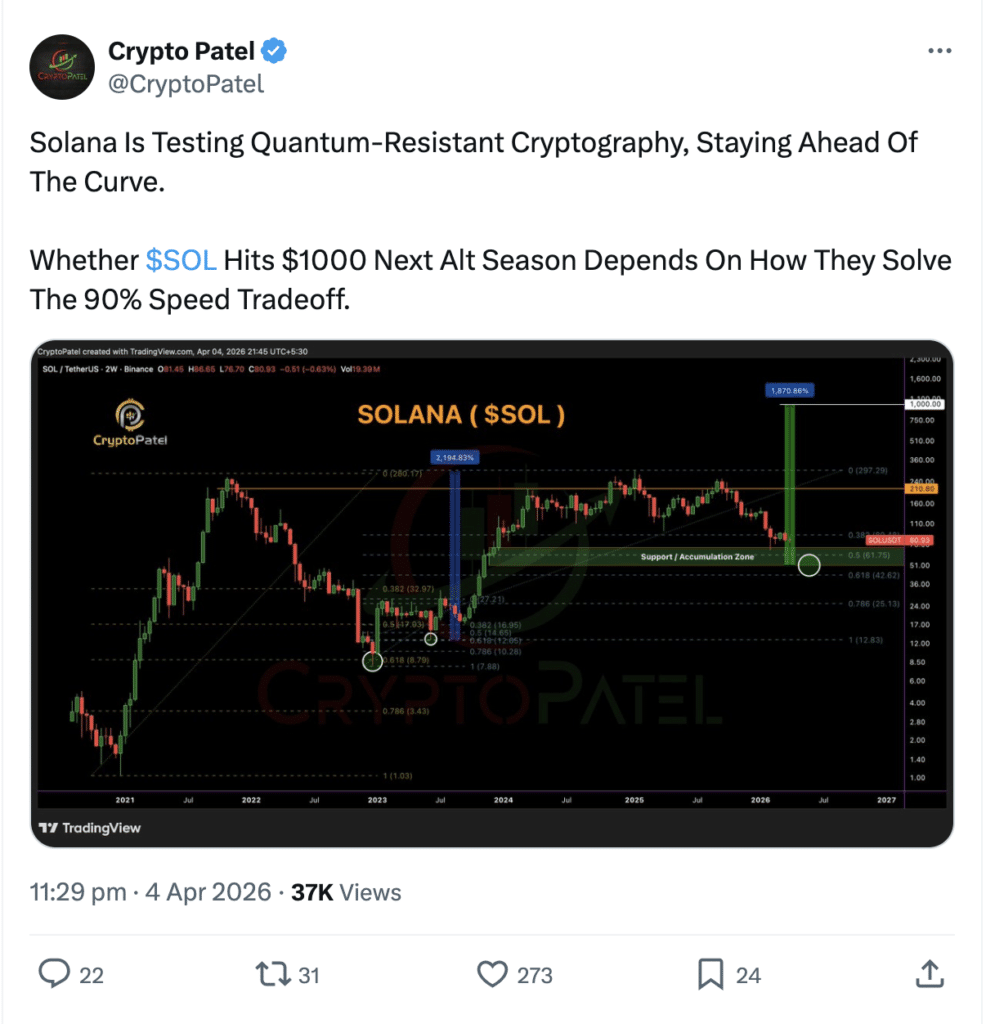
Solana Slowdown 2026 has become the headline crypto debate this quarter after the announcement that quantum‑safe cryptographic testing caused a massive 90% performance drop in transaction throughput. Traditionally, Solana’s high throughput and fast TPS have been central to its value proposition, especially versus slower layer‑1s like Ethereum. These tests revealed a serious trade‑off, moving toward Solana quantum security significantly impacts real‑world performance even on testnets.
Why Solana Slowdown 2026 Is Viewed as a Scalability Crossroads
The term Solana network slowdown now refers to the network’s controversial performance testing where quantum‑resistant signatures, up to 40× larger than conventional ones, were integrated experimentally. The result was a dramatic TPS drop that throws Solana’s scalability model into question. At its heart, this performance logout forces the crypto community to ask: Can a blockchain achieve both speed and top‑tier security, or must one give way to the other?
Solana Quantum Security: The Trade‑Off That Shook Web3 Analysts
Upgrading to a quantum‑safe cryptographic protocol isn’t merely about skipping a future risk; it’s about rewriting how the infrastructure processes every transaction. The immediate result during testing was that Solana’s TPS collapsed roughly 90% compared with its legacy configuration. This Solana TPS drop during quantum experiments is seen by some analysts as a necessary “insurance policy” against looming post‑quantum threats, while others view it as the biggest technical hurdle Solana has faced in years.
Solana’s Speed Legacy Versus the Emerging Scalability Problem
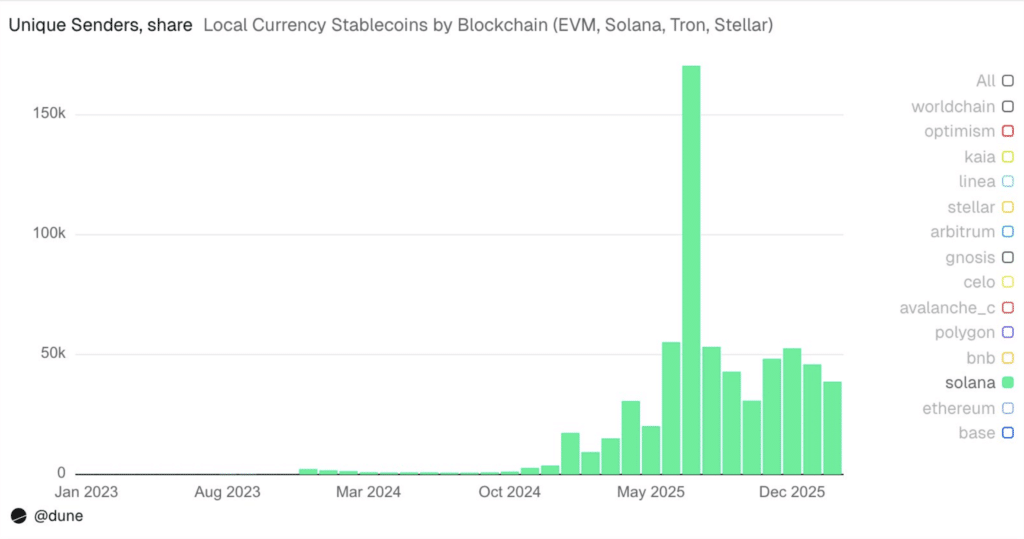
For years, Solana’s key competitive edge was its ability to handle massive daily transaction loads without bottlenecks — a performance advantage that played a central role in DeFi growth and stablecoin usage across the network. In early usage reports, Solana processed billions of transactions in Q1 2026, showcasing widespread adoption before the quantum security tests. However, with Solana Slowdown 2026 now in play, that performance narrative faces real pressure.
Is It Fair to Call This a ‘Solana Scalability Crisis Explained’?
Critics of the slowdown frame the situation as a broader Solana scalability problem. The core scalability trade‑off isn’t new in blockchain design, but seeing it manifest as a 90% degradation in speed is rare for a top‑10 network. This dramatic Solana performance issue 2026 is forcing developers and stakeholders to evaluate whether future‑proof security must temporarily sideline speed. If the answer leans too far toward security, Solana could lose ground to competitors that maintain higher sustained throughput.
Comparing Solana Blockchain Speed vs Security: The Stakes in 2026
Solana has long overshadowed competitors in raw throughput, with real‑world figures that outranked Ethereum by orders of magnitude pre‑slowdown. However, the ongoing quantum resistance upgrades place Solana squarely in a discussion around architecture trade‑offs. In contrast, Ethereum’s gradual scaling strategies; including layer‑2 rollups, have aimed to improve speed without crippling base‑layer performance. This dynamic sets up one of the most compelling blockchain comparisons in 2026: Is security worth the sacrifice of TPS, or will Solana lose its speed advantage?
SOL Speed Issue vs Broader Network Confidence
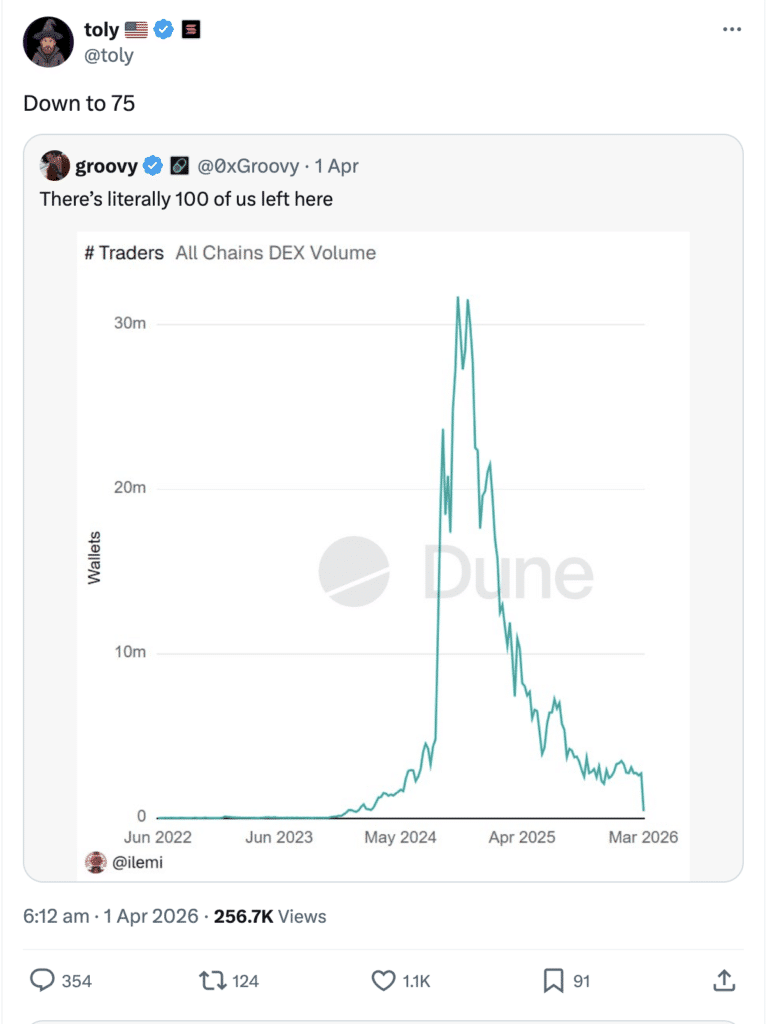
The news of Solana Slowdown 2026 has reverberated across markets and social sentiment channels. Some community voices argue that while a 90% slowdown sounds terrifying on paper, this was an early test iteration, not a permanent upgrade on mainnet. Meanwhile, institutional traders are watching Liquidity and TVL figures to see if confidence holds. Regardless, this slowdown story is now inseparable from how analysts frame Solana’s future valuation and technological path.
Will Solana Lose Its Speed Advantage or Adapt Smartly?
The crucial question now isn’t simply “why Solana is slowing down in 2026,” but rather how it will adapt moving forward. If developers can optimize quantum‑safe solutions without incarcerating performance, Solana could pioneer post‑quantum blockchain security. But if the TPS restrictions become baked into core functionality, the network risks losing projects and users to faster, more scalable chains.
Speculative Price Impact: Solana Quantum Upgrade Impact on Price
Market indicators show caution. SOL has retraced significantly from its all‑time highs, and price pressure persists as traders digest the implications of the slowdown news. Institutional demand data also suggests volatility tied to technical concerns. Whether this narrative leads to price appreciation due to long‑term confidence in quantum safety, or depreciation due to performance fears, remains an open question as 2026 unfolds.
Conclusion
Solana Slowdown 2026 marks a watershed moment in blockchain history, one where security ambitions collide with the expectations of high‑speed decentralized networks. The community must now watch to see if Solana can balance these demands without losing its edge. For traders, developers, and analysts alike, the best strategy is to monitor on‑chain performance metrics, developer updates, and evolving implementation plans. Stay informed, evaluate risks carefully, and adapt strategies as this story develops.
Appendix: Glossary of Key Terms
TPS (Transactions Per Second): Rate of transaction throughput on a blockchain.
Quantum‑Safe Cryptography: Security protocols designed to resist attacks from quantum computers.
Scalability: A network’s ability to handle increased workload efficiently.
Stablecoin: A crypto asset pegged to a stable asset like USD.
Liquidity: Ease with which assets can be bought/sold without affecting price.
Frequently Asked Questions About Solana Slowdown 2026
Why did Solana Slowdown 2026 happen?
Because quantum‑safe cryptographic tests revealed a performance trade‑off causing network speed to drop significantly.
Is Solana still secure?
Solana remains secure under current cryptographic standards, but is testing upgrades to defend against future threats.
Will Solana lose users to other blockchains?
If performance suffers long‑term, some users may migrate to faster alternatives.
Does this affect SOL price?
Market sentiment is sensitive; price may react to developments in scalability and adoption.
References
Read More: Solana Slowdown 2026: 90% TPS Drop Raises Scalability Concerns">Solana Slowdown 2026: 90% TPS Drop Raises Scalability Concerns
0
0

 Manage all your crypto, NFT and DeFi from one place
Securely connect the portfolio you’re using to start.

0
0


0
0

0
0