
Mastercard Joins Blockchain Security Standards Committee: A Powerful Move for Tokenized Asset Safety

0
0
BitcoinWorld
Mastercard Joins Blockchain Security Standards Committee: A Powerful Move for Tokenized Asset Safety
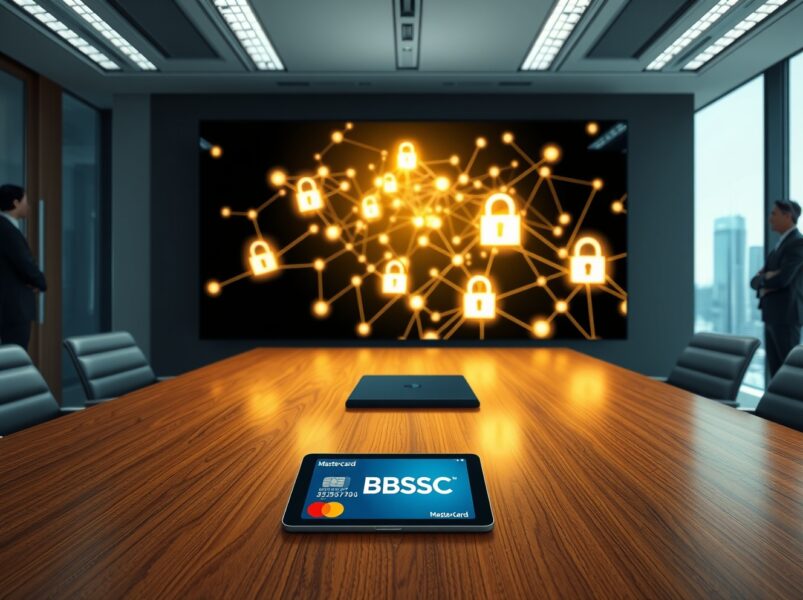
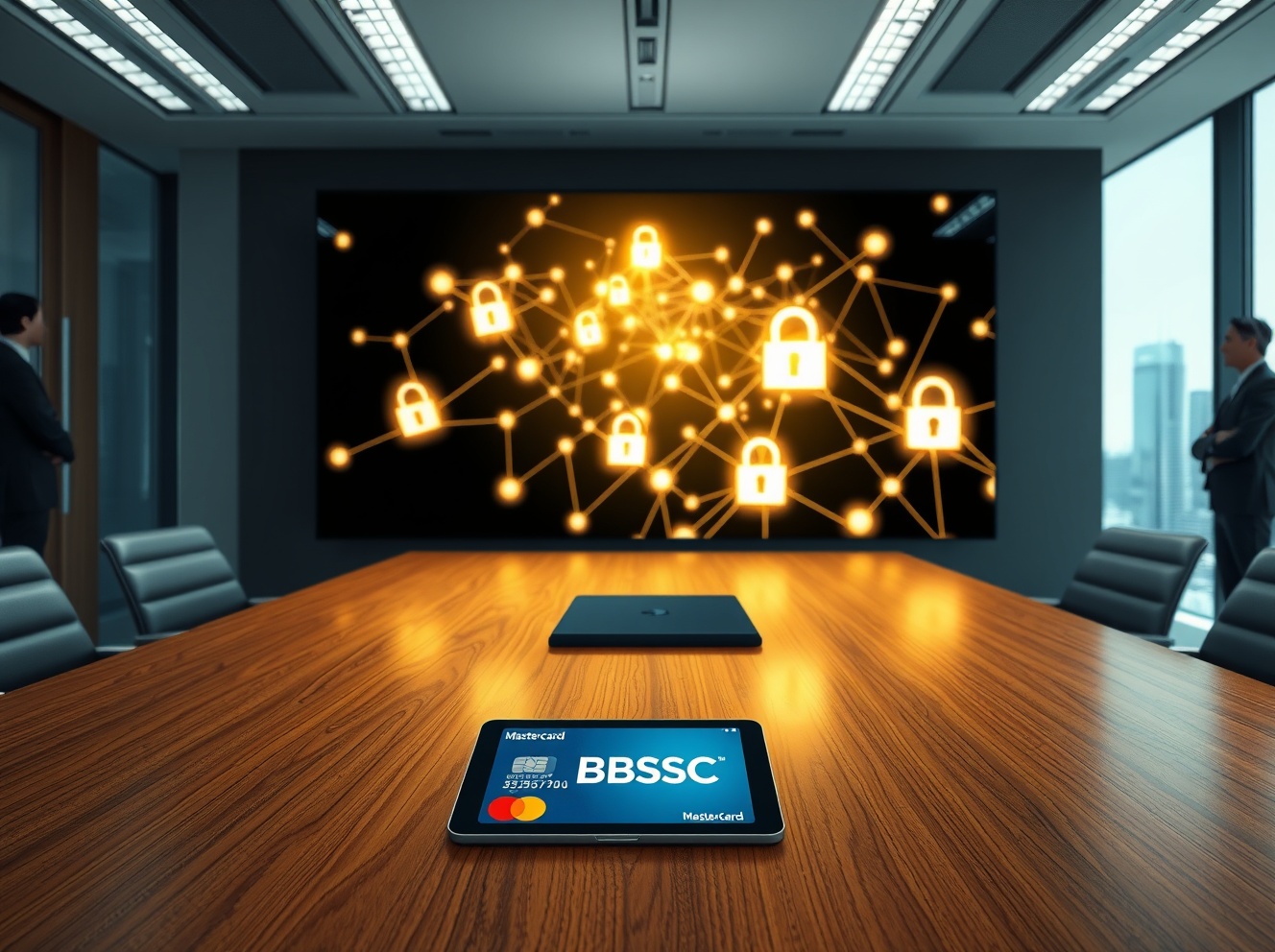
Mastercard has officially joined the Blockchain Security Standards Committee (BSSC), a significant step that underscores the payment giant’s commitment to securing digital assets and blockchain networks. This move, reported by BeInCrypto, positions Mastercard alongside other industry heavyweights like Coinbase, Fireblocks, Anchorage Digital, and BitGo. The committee’s primary mission is to build a robust security framework for blockchain networks and tokenized assets, addressing a critical need in the rapidly evolving crypto landscape.
Mastercard Joins Blockchain Security Standards Committee: A New Era of Institutional Oversight
Mastercard’s entry into the BSSC marks a pivotal moment for blockchain security. The company will actively participate in shaping the standards that govern how blockchain networks protect user assets and data. This collaboration brings together traditional finance expertise with cutting-edge crypto security knowledge. The BSSC aims to create a unified security framework that can be adopted globally, reducing fragmentation and enhancing trust in tokenized assets.
Other members, including Coinbase and Fireblocks, bring deep experience in securing digital wallets and exchange platforms. Anchorage Digital, a federally chartered digital asset bank, adds a regulatory perspective. BitGo, a leader in multi-signature security, contributes technical know-how. Together, they form a powerful coalition.
Why a Blockchain Security Framework Matters for Tokenized Assets
Tokenized assets—digital representations of real-world assets like stocks, bonds, or real estate—require rigorous security measures. Without standardized protocols, vulnerabilities can lead to hacks, fraud, and loss of investor confidence. The BSSC’s framework will address key areas: key management, smart contract audits, transaction verification, and incident response.
- Key management: Secure storage and recovery of private keys.
- Smart contract audits: Rigorous testing to prevent exploits.
- Transaction verification: Ensuring only authorized transfers occur.
- Incident response: Rapid containment and recovery plans.
Mastercard’s involvement signals that traditional financial institutions view these standards as essential for mainstream adoption. The company processes billions of transactions annually, and its expertise in fraud prevention and risk management will be invaluable.
The BSSC’s Role in Shaping Global Crypto Security Standards
The BSSC operates as a cross-industry initiative, bringing together stakeholders from finance, technology, and regulation. Its goal is not to replace existing security measures but to harmonize them into a cohesive framework. This approach helps avoid conflicting requirements across jurisdictions.
Mastercard’s participation also aligns with its broader blockchain strategy. The company has filed numerous patents for blockchain-based payment systems and has launched its own digital asset platform. By joining the BSSC, Mastercard gains a direct voice in how security standards evolve, ensuring compatibility with its own products.
Expert Insights on Institutional Blockchain Security
Industry analysts view Mastercard’s move as a validation of the BSSC’s importance. “When a company like Mastercard joins a security committee, it sends a clear message that blockchain security is no longer an afterthought,” says a cybersecurity expert familiar with the committee’s work. “It becomes a boardroom priority.”
The timing is also critical. With tokenized asset markets projected to grow significantly in 2025, standardized security frameworks will help attract institutional investors. These investors require assurances that their assets are protected by industry-wide best practices, not just individual company policies.
Comparing Mastercard’s Approach to Other BSSC Members
Each BSSC member brings a unique perspective. Coinbase focuses on exchange security and user protection. Fireblocks specializes in enterprise-grade custody solutions. Anchorage Digital offers regulated digital asset banking. BitGo provides multi-signature wallet technology. Mastercard adds payment network security and fraud detection expertise.
| Member | Core Expertise | Contribution to BSSC |
|---|---|---|
| Mastercard | Payment network security, fraud prevention | Transaction integrity, risk management |
| Coinbase | Exchange security, user asset protection | Hot wallet security, KYC/AML integration |
| Fireblocks | Enterprise custody, secure transfer | Key management, multi-party computation |
| Anchorage Digital | Regulated digital asset banking | Compliance frameworks, audit standards |
| BitGo | Multi-signature wallets, cold storage | Private key security, threshold signatures |
This diversity ensures the resulting framework addresses real-world challenges from multiple angles. The committee’s work will likely influence how regulators approach blockchain security globally.
Timeline of Mastercard’s Blockchain Engagement
Mastercard’s involvement with blockchain technology is not new. The company has been exploring digital assets for years. Key milestones include:
- 2018: Mastercard files patent for blockchain-based payment system.
- 2020: Launches Mastercard Crypto Card program for crypto spending.
- 2021: Partners with Wirex and Bakkt to enable crypto payments.
- 2023: Introduces Multi-Token Network for tokenized asset settlement.
- 2025: Joins BSSC to help define blockchain security standards.
This trajectory shows a consistent commitment to integrating blockchain into mainstream finance. The BSSC membership represents the next logical step: helping shape the security infrastructure that will underpin these technologies.
Impact on Tokenized Asset Markets and Institutional Adoption
The BSSC’s work will directly affect how tokenized assets are issued, traded, and stored. Standardized security protocols reduce counterparty risk and increase transparency. For institutional investors, this is a prerequisite for large-scale participation.
Tokenized assets include everything from stablecoins to digital bonds and real estate tokens. Each asset class has unique security requirements. The BSSC framework will provide a baseline that issuers and custodians must meet, creating a level playing field.
Mastercard’s involvement also reassures regulators that industry-led standards are being developed responsibly. This could accelerate the approval of new tokenized products and services, benefiting the entire ecosystem.
Challenges in Creating Unified Blockchain Security Standards
Despite the positive momentum, challenges remain. Different blockchain networks have varying architectures, making a one-size-fits-all approach difficult. The BSSC must balance flexibility with rigor. Additionally, achieving consensus among competing companies requires diplomacy and compromise.
Another challenge is keeping pace with technological change. New attack vectors emerge regularly, and standards must evolve accordingly. The committee’s ongoing work will include periodic reviews and updates to address emerging threats.
Mastercard’s experience in managing global payment standards—such as PCI DSS—provides a useful model. The company understands how to create standards that are both effective and practical to implement.
Conclusion
Mastercard’s decision to join the Blockchain Security Standards Committee represents a major milestone for blockchain security and tokenized asset protection. By collaborating with Coinbase, Fireblocks, Anchorage Digital, and BitGo, Mastercard helps build a unified security framework that will benefit the entire crypto ecosystem. This move strengthens institutional confidence, accelerates mainstream adoption, and ensures that security standards keep pace with innovation. As the BSSC develops its framework, the industry will watch closely for guidelines that could shape the future of digital asset security globally.
FAQs
Q1: What is the Blockchain Security Standards Committee (BSSC)?
The BSSC is a cross-industry group focused on creating standardized security frameworks for blockchain networks and tokenized assets. Members include Mastercard, Coinbase, Fireblocks, Anchorage Digital, and BitGo.
Q2: Why did Mastercard join the BSSC?
Mastercard joined to contribute its expertise in payment security and fraud prevention to help build robust security standards for blockchain and tokenized assets, supporting institutional adoption.
Q3: How will the BSSC’s framework benefit tokenized assets?
The framework will establish baseline security protocols for key management, smart contract audits, transaction verification, and incident response, reducing risk and increasing trust among investors.
Q4: What other companies are part of the BSSC?
Other prominent members include Coinbase, Fireblocks, Anchorage Digital, and BitGo, each bringing specialized expertise in exchange security, custody, regulated banking, and multi-signature technology.
Q5: When will the BSSC’s security standards be published?
The committee has not announced a specific timeline. However, given the urgency of security concerns in the tokenized asset market, initial guidelines may be released within the next 12 to 18 months.
Q6: Does this mean Mastercard will offer blockchain-based services?
Mastercard already offers blockchain-related services, including its Multi-Token Network and crypto card programs. The BSSC membership reinforces its commitment to secure digital asset infrastructure.
This post Mastercard Joins Blockchain Security Standards Committee: A Powerful Move for Tokenized Asset Safety first appeared on BitcoinWorld.
0
0

 Manage all your crypto, NFT and DeFi from one place
Securely connect the portfolio you’re using to start.

0
0


0
0

0
0