
Petrobras, Cardano Foundation build SAF and diesel trackers

0
0
BitcoinWorld
Petrobras, Cardano Foundation build SAF and diesel trackers
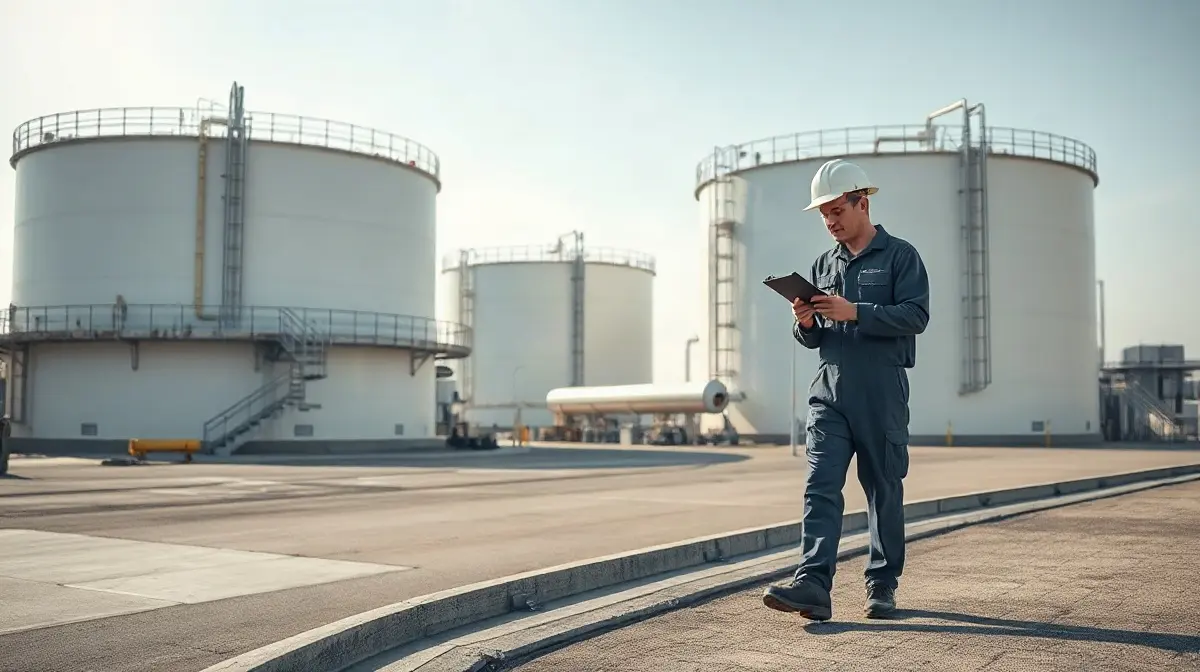
Petrobras has developed two research-stage blockchain applications with the Cardano Foundation and PUC-Rio’s Ledger Labs to track environmental claims for sustainable aviation fuel and lifecycle data for its Diesel R renewable diesel, according to Crypto.news. The Cardano Foundation announced both projects on September 30, 2026, describing work produced through its ongoing research collaboration with Brazil’s state-controlled energy company.
Key facts
- The Cardano Foundation announced the projects on Sep. 30, 2026, developed with Petrobras and PUC-Rio’s Ledger Labs.
- The aviation application uses a Book-and-Claim model so an airline can receive a SAF environmental benefit even when another operator uses the physical fuel.
- Certificates are checked against CORSIA and other recognized standards before becoming standardized tokens carrying environmental attributes, per the accompanying SAF case study.
- The Foundation identifies CS-SAF as the digital token representing the aviation fuel’s environmental benefit, usable by airlines or individual journeys.
- Both initiatives remain research projects, with no commercial launch date disclosed.
According to Cointelegraph, the collaboration began in 2023 with blockchain education for Petrobras employees and expanded in 2025 to energy-sector research with Ledger Labs. Cointelegraph also reported that the Cardano Foundation did not disclose fuel volumes covered by the applications — a detail Crypto.news’s report does not address either.
How the aviation token makes a claim traceable
Under the Book-and-Claim model, the environmental benefit of sustainable aviation fuel is separated from the physical fuel itself. The Foundation says that for each allocation, Cardano records the benefit’s origin and recipient, letting participants trace a claim back to the fuel certificate behind it. The proposed system addresses the risk of assigning the same environmental benefit to more than one buyer.
In the accompanying SAF case study, the certificate-checking process takes place before digital records enter the system. Certificates are checked against the Carbon Offsetting and Reduction Scheme for International Aviation, known as CORSIA, and other recognized standards. Once verified, the case study says, the certificates become standardized tokens carrying information about their environmental attributes. Participants can issue, transfer, and inspect the tokens before retiring them when the associated benefit is claimed — a step the Foundation describes as preventing a token from being used again.
For passengers, the announcement describes an application that accepts departure and destination airports and calculates a corresponding SAF allocation. A traveler then receives a certificate showing the route, distance, and allocation, with a connection to the original fuel certificate. Cointelegraph noted that the CS-SAF tokens contain metadata aligned with CORSIA.
Diesel R records follow the fuel across the supply chain
Across the second project, digital checkpoints collect Diesel R information at successive stages of production, transportation and use. Connecting those records would create a fuel history companies could consult when preparing emissions accounts. The Foundation places particular attention on Scope 3, which covers indirect emissions across a company’s value chain, noting that the necessary information can sit in separate supplier, logistics and external systems.
Petrobras describes Diesel R as diesel containing a renewable portion produced by processing petroleum-based diesel alongside vegetable oils or animal fats. In the company’s explanation, the renewable material passes through refinery treatment involving hydrogen and catalysts. According to Petrobras’ product documentation, the resulting fuel can use existing engines, storage facilities and distribution infrastructure without adaptations, and the company sells Diesel R to fuel distributors that supply service stations in Brazil.
Why it matters
Fuel-related environmental claims are only as useful as they are verifiable, and both projects target the same weak point: the data trail behind a sustainability assertion. If a token cannot be reused or a batch cannot be quietly re-labelled, buyers and auditors gain a way to confirm that a claim still matches the fuel it describes.
The work also illustrates how state-linked energy producers are testing public blockchains for compliance-adjacent recordkeeping rather than for trading. For readers following Cardano, the significance is less about price and more about whether an enterprise-grade verification layer gains traction with large industrial counterparties.
Rafael Fraga, the Foundation’s Latin America business development lead, said the energy transition will depend as much on trust as it does on new fuels. In the same statement, Fraga said increasingly complex supply chains make the origin, movement and reliability of environmental data important to the companies using it.
What to watch
Neither Crypto.news nor Cointelegraph reported a commercial launch date, so the next meaningful signal is whether the Cardano Foundation or Petrobras discloses fuel volumes, a scope expansion, or a timeline for broader deployment. A concurrent reference point is Shell’s Avelia Book-and-Claim platform, which the Cointelegraph report said had contributed to more than 84 million gallons of SAF entering the global fuel network since its 2022 launch, with over 780,000 tonnes of CO₂e abatement through June 2026.
Frequently Asked Questions
What are the two Petrobras blockchain projects announced on September 30, 2026?
The Cardano Foundation said the first is a sustainable aviation fuel application built on a Book-and-Claim model that tokenizes environmental attributes as CS-SAF tokens, and the second creates digital checkpoints that track production, transportation and use of Petrobras’ Diesel R renewable diesel, with attention to Scope 3 emissions reporting.
What is the Book-and-Claim model used for sustainable aviation fuel?
Under Book-and-Claim, the environmental benefit of sustainable aviation fuel can be separated from the physical fuel and assigned to an airline, company or passenger even when another operator uses the actual fuel. Petrobras’ aviation project records the origin and recipient of each allocation so a claim can be traced back to the underlying fuel certificate.
How does the Cardano system prevent the same SAF environmental benefit from being claimed twice?
In the SAF case study, certificates are first checked against CORSIA and other recognized standards, then turned into standardized tokens carrying their environmental attributes. Participants can issue, transfer and inspect the tokens before retiring them when the benefit is claimed, and the Foundation describes that retirement step as preventing reuse.
What is Diesel R and how is it being tracked?
Petrobras describes Diesel R as diesel containing a renewable portion made by processing petroleum-based diesel alongside vegetable oils or animal fats. The Cardano Foundation’s project places digital checkpoints across production, transport and use to build a fuel history companies could consult when preparing emissions accounts.
When will Petrobras launch these Cardano applications commercially?
Neither Crypto.news nor Cointelegraph reported a commercial launch date, and the Cardano Foundation did not disclose fuel volumes covered by the applications or a timeline for broader deployment. Both initiatives remain research projects.
This post Petrobras, Cardano Foundation build SAF and diesel trackers first appeared on BitcoinWorld.
0
0

 Manage all your crypto, NFT and DeFi from one place
Securely connect the portfolio you’re using to start.


