
From Layer-1 Powerhouses to Presale Momentum: Solana, Hedera, and APEMARS in the Next 100x Crypto Spotlight – Stage 13 Begins

0
0
Crypto markets rarely stay quiet for long. New cycles bring new technologies and new narratives. Many analysts now watch infrastructure blockchains and early-stage ecosystems at the same time. Both play roles in the hunt for the next 100x crypto.
Layer-1 networks like Solana and Hedera focus on speed, security, and scale. These platforms support decentralized applications, payments, and digital asset ecosystems. At the same time, presale projects attract attention because they allow participants to join before public exchange exposure.
Early participation creates a pricing gap between presale stages and potential listing levels. That gap explains why presales often appear in conversations around the next 100x crypto.
This article examines three projects gaining attention for different reasons. Solana demonstrates high-throughput blockchain infrastructure. Hedera introduces an alternative consensus model called Hashgraph. APEMARS enters the discussion with a structured Stage 13 presale model. Understanding how these systems work helps explain why they appear in the broader next 100x crypto debate.
The Mars Launch Window: APEMARS Stage 13 Opens a Structured Entry Before Orbit
Early-stage presales operate differently from established networks. Instead of focusing on throughput or enterprise adoption, they focus on early access and structured participation. APEMARS currently runs a multi-stage presale system. Each stage increases the token price slightly. This structure rewards earlier participants with lower entry levels. The project has now reached Stage 13 of its presale cycle. The current price stands at $0.00014493, while the intended listing price is $0.0055. This difference creates a visible pricing gap.

Presales use this gap to attract early participants who want exposure before exchange listings. However, presales carry significant risk. Development progress, adoption levels, and market conditions influence outcomes. APEMARS has reported 1,445 holders, 12.8 billion tokens sold, and roughly $330,000 raised during the presale phase. These figures suggest steady community growth.
Many presales rely heavily on marketing momentum. APEMARS attempts to differentiate itself through clear stage progression and roadmap communication. Transparent presale mechanics can help participants understand pricing changes and token distribution. Within the broader next 100x crypto conversation, presales represent a speculative but structured entry point.
Orbital Entry Economics: Understanding the Stage 13 Pricing Gap
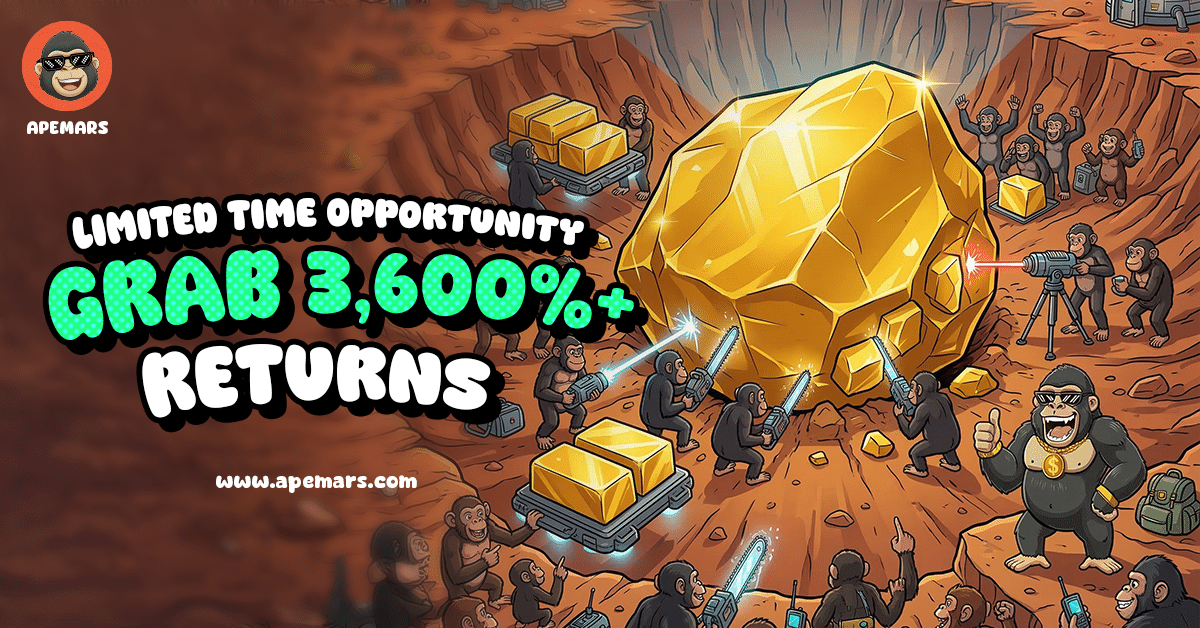
The Stage 13 presale price illustrates how stage-based models operate. Early stages typically offer the lowest entry prices. Later stages increase prices gradually as demand grows. At $0.00014493, APEMARS Stage 13 sits closer to the mid-presale phase. The intended listing price of $0.0055 creates a theoretical return window of around 3,694%.
Such figures highlight the attraction of early access. Participants gain exposure before the asset reaches open trading markets. Yet presales remain uncertain by nature. Market volatility, development delays, and liquidity factors may influence performance after listing. For this reason, analysts often emphasize due diligence.
Despite these risks, structured presales often appear in the next 100x crypto discussion. They represent early participation rather than established infrastructure growth.
Solana: High-Throughput Infrastructure for Web3
Solana has built a reputation for speed. The network combines Proof of Stake with a unique clock mechanism called Proof of History. This system timestamps transactions before they enter consensus.
According to the Solana whitepaper, the network can theoretically process more than 65,000 transactions per second. These numbers appear in Solana’s official documentation and developer resources. The Solana block explorer also confirms high throughput during periods of heavy activity.
Fast processing attracts developers building decentralized finance, gaming platforms, and NFT marketplaces. Several decentralized exchanges run directly on the network. These platforms benefit from fast confirmation times and lower fees.
Speed alone does not define success. Security and network stability remain critical. Solana has faced outages in previous years, often linked to congestion or validator issues. Developers have since released updates to improve reliability.
Institutional analysts often highlight Solana’s growing developer ecosystem. Data from Electric Capital’s developer report shows that Solana ranks among the most active blockchain ecosystems.
These factors place Solana in discussions about the next 100x crypto narrative. The network represents infrastructure rather than speculation. Its role focuses on enabling decentralized applications at scale.
However, infrastructure growth takes time. Adoption depends on developer activity, user demand, and ecosystem incentives. These factors explain why analysts continue to monitor Solana’s long-term position in the next 100x crypto landscape.
Hedera: Hashgraph and Enterprise Blockchain Architecture
Hedera approaches blockchain technology from a different angle. The network does not rely on traditional block production. Instead, Hedera uses a distributed consensus model called Hashgraph. Hashgraph records transactions through a process known as “gossip about gossip.” Nodes share transaction data and timestamps rapidly across the network. This system allows consensus to emerge without heavy mining competition.
According to the Hedera technical documentation, the network can process thousands of transactions per second with very low energy consumption. Hedera also claims finality within seconds. Another unique feature is governance. Hedera operates under a council model that includes global organizations. Each council member runs a node and helps guide network decisions.
This structure attempts to balance decentralization with stability. The design appeals to enterprises seeking predictable governance frameworks. Industries exploring digital identity, supply chain verification, and tokenization have experimented with the network. Reports from organizations like Messari highlight Hedera’s growing enterprise partnerships. These partnerships support use cases beyond simple token transfers.
Still, enterprise adoption moves slowly. Businesses often require regulatory clarity and security audits before integrating blockchain systems. For this reason, Hedera’s growth appears gradual rather than explosive. Even so, its architecture introduces a different perspective within the next 100x crypto discussion. The network demonstrates how alternative consensus models may shape future blockchain infrastructure.

Conclusion
The crypto industry continues to evolve through both technological innovation and early-stage experimentation. Solana demonstrates how high-throughput infrastructure can support decentralized applications. Hedera introduces an alternative consensus architecture focused on efficiency and governance.
APEMARS represents another part of the ecosystem. Structured presales allow early participants to access tokens before public listings. Stage 13 illustrates how pricing gaps emerge between presale phases and intended market launches.
Together, these three projects highlight different paths within the next 100x crypto conversation. Infrastructure networks focus on scalability and adoption. Presale ecosystems focus on early participation and community growth.
Understanding both sides of the market helps participants evaluate opportunities more carefully. As blockchain technology evolves, the next 100x crypto narrative will likely depend on both innovation and responsible development. To better evaluate current opportunities, consider exploring the latest analysis related to the Best Crypto To Buy Now.
For More Information:
Website: Visit the Official APEMARS Website
Telegram: Join the APEMARS Telegram Channel
Twitter: Follow APEMARS ON X (Formerly Twitter)
Frequently Asked Questions About The Next 100x Crypto
What is meant by the “next 100x crypto”?
The term next 100x crypto refers to digital assets that analysts or market observers believe could experience significant growth over time. These discussions often focus on projects with strong technology, early-stage entry opportunities, or expanding ecosystems. However, cryptocurrency markets remain highly volatile, and such outcomes are never guaranteed.
Why are Solana and Hedera often discussed in the next 100x crypto conversation?
Solana and Hedera represent two different approaches to blockchain infrastructure. Solana focuses on high-speed transaction processing using Proof of History combined with Proof of Stake. Hedera uses the Hashgraph consensus model, which enables fast finality and efficient network communication. Both platforms support decentralized applications and enterprise solutions, which explains their presence in discussions about the next 100x crypto.
What is the APEMARS Stage 13 presale?
The APEMARS Stage 13 presale is part of a structured multi-stage token sale designed to reward early participants. Stage 13 is priced at $0.00014493, with an intended listing price of $0.0055. Each presale stage increases the token price slightly, creating a transparent pricing structure that encourages early access before public exchange trading.
Are crypto presales and emerging tokens risky?
Yes. Crypto presales carry significant risk because projects are still in development stages. Factors such as market volatility, regulatory changes, technology execution, and community adoption can affect outcomes. For this reason, industry experts often recommend conducting independent research and reviewing official documentation before participating in any digital asset project.
Read More: From Layer-1 Powerhouses to Presale Momentum: Solana, Hedera, and APEMARS in the Next 100x Crypto Spotlight – Stage 13 Begins">From Layer-1 Powerhouses to Presale Momentum: Solana, Hedera, and APEMARS in the Next 100x Crypto Spotlight – Stage 13 Begins
0
0


 Manage all your crypto, NFT and DeFi from one place
Securely connect the portfolio you’re using to start.

0
0

0
0


0
0