
Spot CVD Chart Analysis: Decoding the Critical BTC/USDT Order Flow at 4:00 a.m. UTC, April 8

0
0
BitcoinWorld
Spot CVD Chart Analysis: Decoding the Critical BTC/USDT Order Flow at 4:00 a.m. UTC, April 8
Market analysts closely examined the Spot CVD chart for the BTC/USDT trading pair at 4:00 a.m. UTC on April 8, 2025, seeking critical insights into underlying order flow and potential price direction. This specific timestamp, occurring during a period of typically lower liquidity in global markets, often provides a clearer view of genuine buying and selling pressure. Consequently, professional traders scrutinize these charts to identify foundational support and resistance levels before major trading sessions commence.
Spot CVD Chart Analysis for BTC/USDT
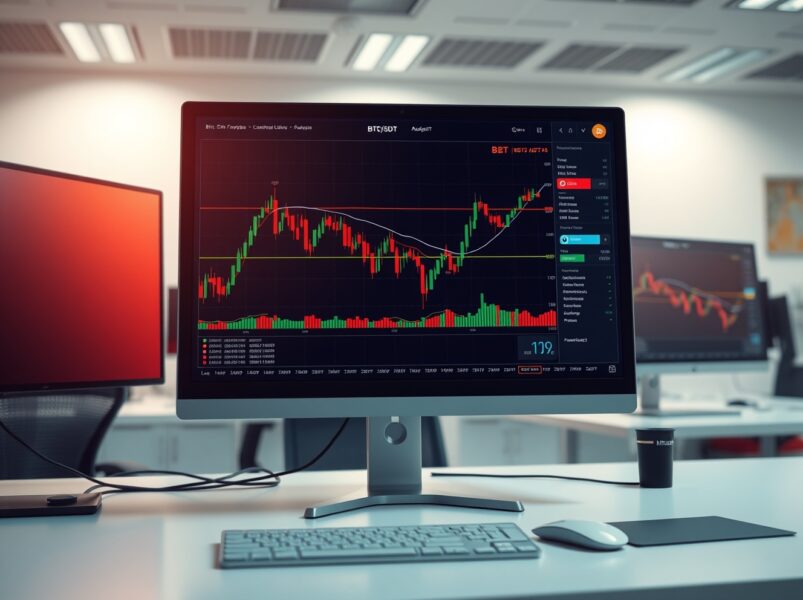
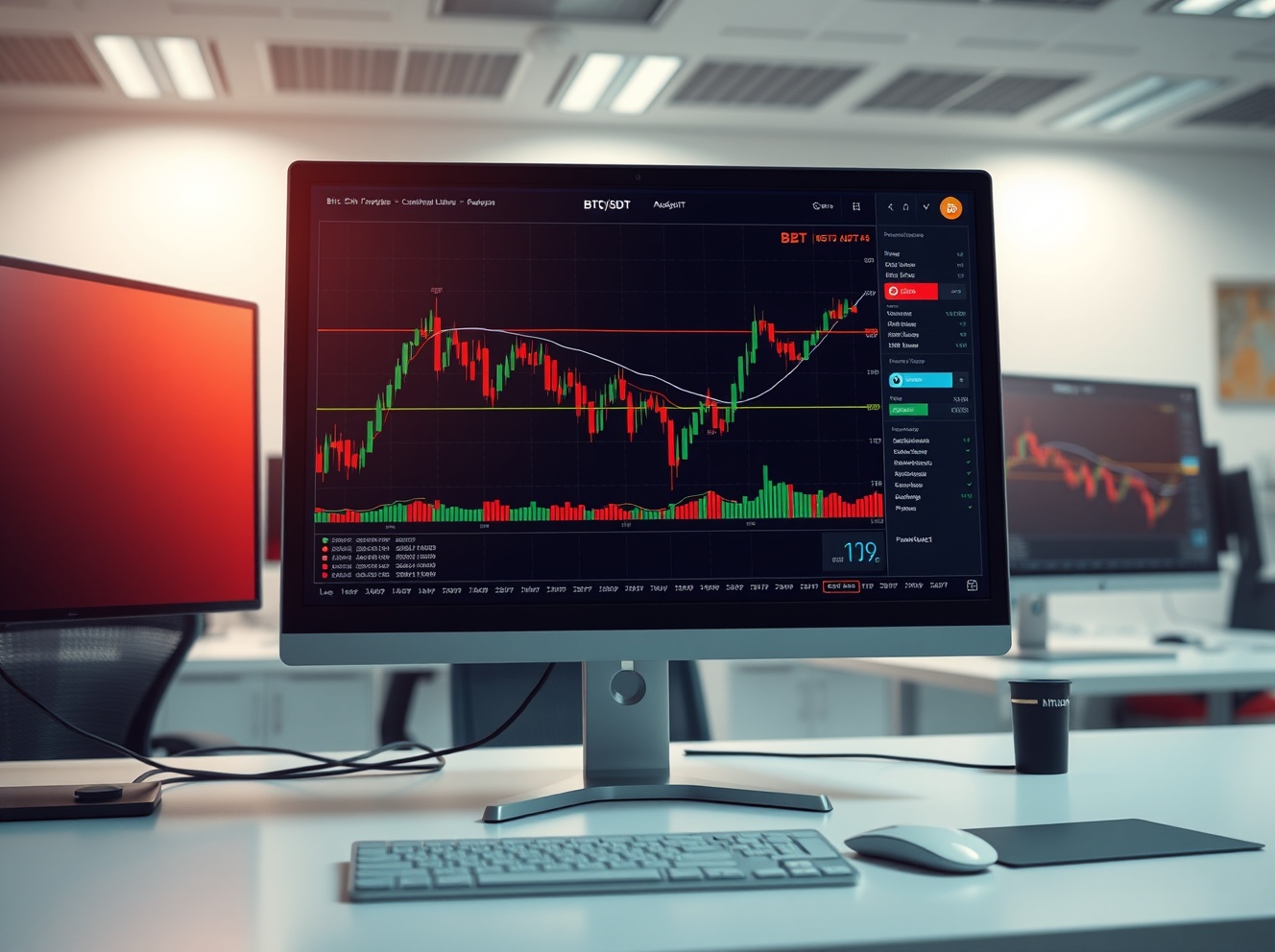
The provided Spot CVD chart delivers a sophisticated, two-part visualization of market microstructure. Firstly, the upper section presents a Volume Heatmap, a tool that aggregates trading activity at precise price levels over a defined period. Secondly, the lower section plots the Cumulative Volume Delta (CVD), an indicator that directly measures the net difference between buying and selling volume. Together, these components transform raw order book data into actionable intelligence for traders navigating the volatile cryptocurrency markets.
Understanding these tools requires context. The Bitcoin market operates 24/7, but liquidity and participant behavior fluctuate dramatically. The 4:00 a.m. UTC window sits after the close of the North American session and before the peak of the Asian session. Therefore, analysis from this time can reveal the convictions of institutional and algorithmic traders operating outside peak hours, often setting the tone for subsequent price action.
Interpreting the Volume Heatmap for Support and Resistance
The Volume Heatmap, occupying the chart’s top section, functions as a historical footprint of trading activity. It does not merely show current volume; instead, it visualizes where the majority of trades have occurred over the observed timeframe. The background color intensifies—becoming brighter—under two specific conditions: when the price consolidates within a narrow range for an extended period, or when it experiences a significant, high-volume price movement.
These bright zones are paramount for technical analysis. A bright horizontal band where price previously stalled indicates a potential support or resistance zone. For instance, if BTC/USDT traded heavily between $68,500 and $69,000, creating a bright zone, that area may later act as a floor (support) on a price decline or a ceiling (resistance) on a rally. The logic is straightforward: high volume at a price level signifies a concentration of opened positions, making that level psychologically and technically significant for future trades.
| Heatmap Feature | What It Signifies | Trading Implication |
|---|---|---|
| Bright, Horizontal Band | High historical volume at specific price | Strong potential support/resistance |
| Vertical Bright Streak | High-volume price spike or drop | Momentum event; may become future reversal point |
| Dark, Unmarked Areas | Low historical trading volume | Price may move quickly through these zones |
The Role of Cumulative Volume Delta in Order Flow Analysis
While the Heatmap shows *where* activity happened, the Cumulative Volume Delta reveals *who* was active. The CVD indicator in the lower panel cumulatively adds the volume from buyer-initiated trades and subtracts the volume from seller-initiated trades. A rising CVD line signifies sustained net buying pressure, whereas a declining line shows net selling dominance. Crucially, the chart differentiates this flow by trade size, offering a window into the behavior of different market participants.
The yellow line tracks orders between $100 and $1,000, typically representing retail or smaller traders. The brown line represents large orders between $1 million and $10 million, often attributed to institutions, whales, or algorithmic trading desks. By comparing these lines, analysts can discern if market moves are driven by retail sentiment or institutional capital. For example, if the price rises while the brown (large order) CVD climbs steadily but the yellow (small order) CVD is flat or falling, it suggests institutions are accumulating against a skeptical or inactive retail crowd—a potentially bullish divergence.
Practical Application: Synthesizing Heatmap and CVD Data
The true power of this chart lies in synthesizing both elements. A trader might observe a bright Heatmap zone acting as resistance. They would then check the CVD at that level: is large-order flow (brown line) turning negative as price approaches, indicating institutional selling? Or is it holding firm, suggesting the resistance may be absorbed? This multi-factor analysis moves beyond simple price observation to gauge the probability of a breakout or rejection.
Furthermore, the 4:00 a.m. UTC snapshot is particularly telling. Low overall volume can amplify the impact of large orders, making the brown CVD line’s movements more significant. A sudden spike in large-order buying during this quiet period could signal an institution building a position discreetly, a clue that might precede a larger move during the more liquid Asian or European sessions.
- Confluence Signal: A bright Heatmap support zone + rising large-order CVD = high-probability bounce.
- Warning Signal: Price at a Heatmap resistance + falling large-order CVD = high risk of rejection.
- Divergence Signal: Price making new highs + large-order CVD making lower highs = potential weakening trend.
Conclusion
The Spot CVD chart for BTC/USDT at 4:00 a.m. UTC on April 8 provides a nuanced, data-rich snapshot of market structure. By decoding the Volume Heatmap’s support and resistance zones and analyzing the Cumulative Volume Delta’s breakdown of order flow by size, traders gain a significant edge. This analytical approach transforms opaque market data into a clear narrative of buying and selling pressure, participant behavior, and potential future price pivots. Ultimately, mastering tools like the Spot CVD chart is essential for anyone seeking to navigate the complex order book dynamics of modern cryptocurrency markets.
FAQs
Q1: What is the main purpose of a Spot CVD chart?
The primary purpose is to visualize the net order flow and trading volume concentration for a specific asset, like BTC/USDT. It helps traders identify who is buying or selling (by order size) and where significant trading activity has historically occurred, aiding in predicting support, resistance, and trend strength.
Q2: Why is the 4:00 a.m. UTC time significant for this analysis?
This time often coincides with lower overall market liquidity, sitting between major trading sessions. Consequently, the actions of large participants (shown by the brown CVD line) can be more visible and impactful, providing clearer signals about institutional intent before daily volume surges.
Q3: How does the Volume Heatmap differ from traditional volume bars?
Traditional volume bars show volume per time period (e.g., per hour). A Volume Heatmap aggregates volume per *price level* across time, creating a map that highlights specific price zones where the most trading has occurred, which are likely to act as future support or resistance.
Q4: Can the CVD indicator predict short-term price reversals?
While not a perfect predictor, divergences between price action and the CVD can signal weakening momentum. For example, if the price makes a new high but the large-order CVD fails to make a new high (a bearish divergence), it suggests large traders are not participating in the rally, which often precedes a pullback.
Q5: Is the Spot CVD chart useful for long-term investors or only day traders?
It is valuable for both. Day traders use it for intraday entry and exit points. Long-term investors can use it to identify significant accumulation zones (where large-order CVD rose steadily at a certain price) or distribution zones, informing their broader market timing and cost-averaging strategies.
This post Spot CVD Chart Analysis: Decoding the Critical BTC/USDT Order Flow at 4:00 a.m. UTC, April 8 first appeared on BitcoinWorld.
0
0

 Manage all your crypto, NFT and DeFi from one place
Securely connect the portfolio you’re using to start.

0
0

0
0

