
Crypto Fear & Greed Index Dips to 39: What the Shift to Fear Means for Markets

0
0
BitcoinWorld
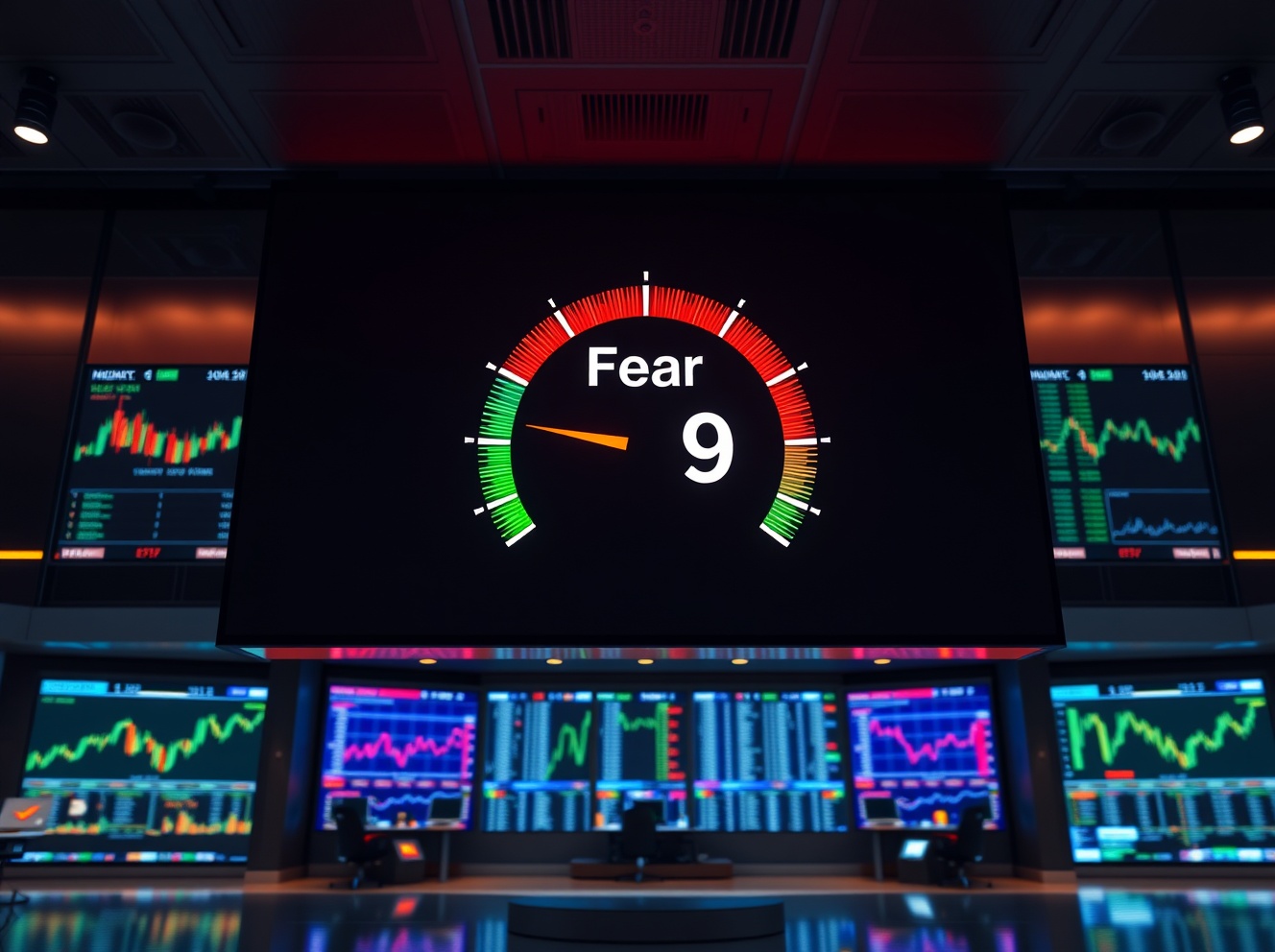
Crypto Fear & Greed Index Dips to 39: What the Shift to Fear Means for Markets
The cryptocurrency market has entered a phase of heightened caution as the Fear & Greed Index, compiled by data provider CoinMarketCap, registered a score of 39. This marks a shift from the neutral zone into the fear stage, signaling growing unease among traders and investors.
Understanding the Fear & Greed Index
The index is a widely watched sentiment tool that ranges from 0 (extreme fear) to 100 (extreme optimism). A reading of 39 places the market firmly in the fear territory, suggesting that participants are pricing in downside risk and uncertainty. Historically, such readings have often preceded periods of increased volatility or market corrections, though they can also signal potential buying opportunities for contrarian investors.
CoinMarketCap calculates the index using a composite of several factors:
- Price movements of the top 10 cryptocurrencies by market capitalization
- Market volatility, measured through recent price fluctuations
- Derivatives data, including the put-call ratio, which indicates bearish or bullish positioning in options markets
- Stablecoin Supply Ratio (SSR), which reflects the relative demand for stablecoins versus other cryptocurrencies
- Search data from CoinMarketCap’s own platform, capturing retail interest and sentiment
Why the Shift Matters
The move to fear is not an isolated event. It comes amid broader macroeconomic headwinds, including regulatory developments in major economies, shifting interest rate expectations, and a general pullback in risk-on assets. For crypto investors, the index serves as a barometer of market psychology, which can often drive short-term price action more than fundamentals.
When the index enters fear territory, it often correlates with increased selling pressure and lower trading volumes. However, some analysts view extreme fear as a potential contrarian buy signal, especially if the underlying technology or adoption trends remain intact. The current reading of 39, while notable, does not yet reach the ‘extreme fear’ threshold (typically below 25), suggesting that while caution is warranted, outright panic has not set in.
What This Means for Traders and Long-Term Holders
For short-term traders, a fear reading often indicates a market ripe for sharp reversals, requiring tighter risk management. For long-term holders, the index can provide context for market cycles, helping to avoid emotional decision-making during downturns. The key takeaway is that sentiment is just one piece of the puzzle, and it should be weighed alongside on-chain data, network activity, and macroeconomic trends.
Conclusion
The Fear & Greed Index’s drop to 39 reflects a market that is increasingly cautious but not yet in crisis mode. As always, sentiment indicators are best used as part of a broader analytical framework rather than as standalone trading signals. Investors should remain attentive to the underlying drivers of the shift, including regulatory news and broader market conditions, to navigate the current environment effectively.
FAQs
Q1: What is the Fear & Greed Index and how is it calculated?
The Fear & Greed Index is a sentiment indicator that measures whether investors are fearful or greedy. CoinMarketCap’s version calculates it using price movements of the top 10 cryptocurrencies, market volatility, derivatives data (put-call ratio), the Stablecoin Supply Ratio, and its own search data.
Q2: What does a reading of 39 mean for crypto prices?
A reading of 39 indicates fear in the market, which often correlates with downward price pressure or increased volatility. However, it does not guarantee further declines and can sometimes signal a buying opportunity for contrarian investors.
Q3: Should I sell my crypto when the index shows fear?
Not necessarily. The index is a sentiment gauge, not a predictive tool. Selling based solely on fear readings can lead to emotional decisions. It is better to use the index as one of many inputs in a broader investment strategy, considering your own risk tolerance and time horizon.
This post Crypto Fear & Greed Index Dips to 39: What the Shift to Fear Means for Markets first appeared on BitcoinWorld.
0
0

 Manage all your crypto, NFT and DeFi from one place
Securely connect the portfolio you’re using to start.

0
0

0
0

0
0
