
SEC Crypto Regulation Shift: Chairman Paul Atkins Announces Pivotal End to Enforcement-First Approach

0
0
BitcoinWorld
SEC Crypto Regulation Shift: Chairman Paul Atkins Announces Pivotal End to Enforcement-First Approach
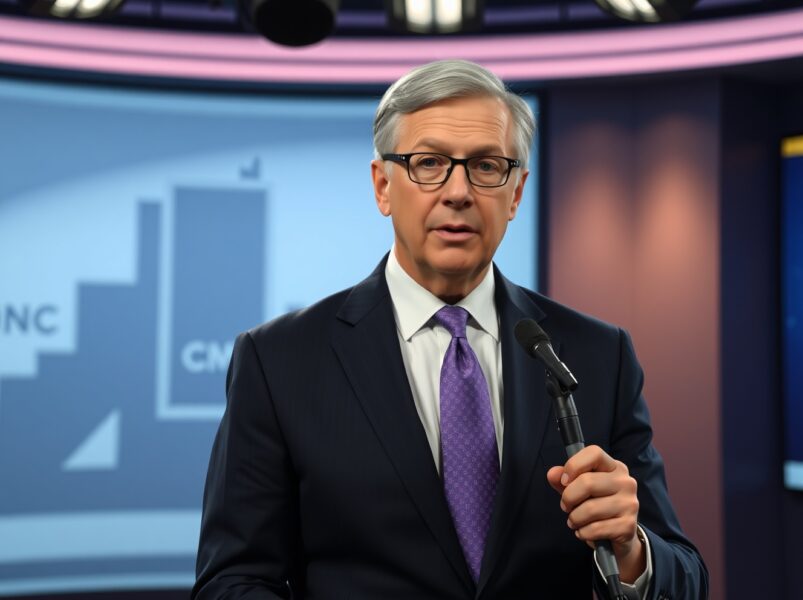
In a landmark announcement with profound implications for digital asset markets, U.S. Securities and Exchange Commission Chairman Paul Atkins declared a definitive end to the agency’s enforcement-focused approach to cryptocurrency regulation during a CNBC interview on March 15, 2025. This pivotal SEC crypto regulation shift marks a potential watershed moment for blockchain innovation and investor protection frameworks in the United States.
The SEC Crypto Regulation Announcement Explained
Chairman Paul Atkins articulated the policy reversal during a live segment on CNBC’s “Squawk Box.” He stated the SEC would transition from a posture primarily reliant on litigation and enforcement actions toward establishing clearer, forward-looking regulatory guidelines for the cryptocurrency sector. Consequently, this strategic pivot addresses longstanding industry criticism about regulatory uncertainty. Moreover, the announcement follows years of high-profile legal battles between the SEC and major crypto entities.
The digital asset policy change reflects a recognition that reactive enforcement has created a compliance maze for legitimate projects. Therefore, the agency now prioritizes collaborative rulemaking. For instance, the SEC’s previous actions against various token offerings and trading platforms often centered on whether assets constituted unregistered securities. This new framework seeks to provide definitive answers before enforcement becomes necessary.
Historical Context of SEC Cryptocurrency Enforcement
To understand the magnitude of this shift, one must examine the SEC’s regulatory history. Under previous leadership, the Commission initiated numerous high-stakes lawsuits. Notably, cases against Ripple Labs, Coinbase, and Binance dominated headlines and shaped market sentiment. These actions established precedents but also fueled debates about jurisdictional boundaries and innovation stifling.
The enforcement-first era produced several key legal clarifications. However, market participants consistently requested proactive guidance. A timeline of major SEC crypto actions illustrates this pattern:
- 2017: The DAO Report warns that some tokens are securities.
- 2020: Landmark lawsuit against Ripple Labs begins.
- 2023: Sweeping actions target Coinbase and Binance.
- 2024: Increased scrutiny on staking services and DeFi protocols.
- 2025: Chairman Atkins announces the enforcement pivot.
This historical enforcement focus created a compliance dichotomy. Established firms with resources navigated the landscape, while smaller innovators faced significant barriers. The new approach aims to level this playing field through transparent rules.
Expert Analysis on the Regulatory Implications
Financial law experts immediately recognized the announcement’s significance. Professor Elena Torres of Stanford Law School noted, “This represents a maturation in regulatory thinking. The SEC is acknowledging that pure enforcement cannot build a sustainable digital asset ecosystem.” Her analysis highlights a global trend toward comprehensive crypto frameworks, such as the EU’s MiCA regulations.
Furthermore, former SEC officials provided additional context. “A rules-based approach enhances market integrity and U.S. competitiveness,” stated Michael Garcia, a former branch chief in the Enforcement Division. He emphasized that clear guidelines reduce legal costs for compliant firms and allow the SEC to concentrate resources on blatant fraud. This expert perspective underscores the operational benefits of the policy change.
Immediate Market Reactions and Economic Impact
Financial markets responded swiftly to the regulatory news. Major cryptocurrency exchange tokens and broad market indices recorded significant gains following the CNBC interview. Market analysts attributed this movement to reduced systemic risk for operating businesses. Additionally, traditional finance institutions exploring digital asset products may accelerate their entry plans.
The potential economic impact extends beyond price movements. Clear regulations could unlock institutional capital currently sidelined by compliance concerns. Venture investment in U.S. blockchain startups may also increase. Importantly, the shift could influence legislative efforts in Congress, where multiple digital asset bills have stalled amid regulatory uncertainty.
Industry leaders issued cautiously optimistic statements. “We welcome regulatory clarity that fosters innovation while protecting consumers,” said a spokesperson for the Crypto Council for Innovation. This sentiment echoes across sector trade groups who have long advocated for collaborative rulemaking.
The Path Forward: New Regulatory Framework Development
Chairman Atkins outlined several next steps for the SEC. The Division of Corporation Finance will enhance its engagement with token issuers seeking guidance. Simultaneously, the Division of Trading and Markets will develop specific rules for crypto trading venues and broker-dealers. This dual-track approach addresses both primary and secondary markets.
The Commission plans to issue a series of concept releases and proposed rules throughout 2025. Key areas for clarification include:
- Security vs. Commodity Classification: Clearer factors for determining asset status.
- Custody Rules: Updated requirements for digital asset safekeeping.
- Disclosure Standards: Tailored reporting for blockchain-based projects.
- Exchange Registration: Pathways for platforms to comply with securities laws.
This structured rulemaking process intends to replace case-by-case litigation with universally applicable standards. However, the SEC maintains its authority to pursue bad actors engaging in fraud or market manipulation.
Conclusion
The SEC crypto regulation shift announced by Chairman Paul Atkins represents a fundamental reorientation of U.S. digital asset policy. By moving from an enforcement-first paradigm to a guidance-based framework, the Commission seeks to balance innovation, investor protection, and market integrity. This transition could reshape the competitive landscape for blockchain technology in America. Ultimately, the success of this new approach will depend on the specificity and practicality of the forthcoming rules, their reception by industry participants, and their ability to adapt to this rapidly evolving technological space.
FAQs
Q1: What exactly did SEC Chairman Paul Atkins announce?
Chairman Atkins announced that the SEC is ending its primary reliance on enforcement actions to regulate cryptocurrency. Instead, the agency will focus on developing clear, preemptive regulatory guidelines and rules for the digital asset market.
Q2: Does this mean the SEC will stop all crypto enforcement?
No. The SEC will continue to pursue fraudulent schemes and blatant violations of securities laws. The shift is one of priority—from leading with enforcement to leading with rulemaking—while maintaining enforcement as a necessary tool against bad actors.
Q3: How will this change affect existing SEC lawsuits against companies like Coinbase or Ripple?
Existing litigation will likely proceed based on the laws and interpretations at the time the cases were filed. However, the new regulatory clarity could influence settlement discussions and future judicial interpretations of how securities laws apply to digital assets.
Q4: What is the expected timeline for new SEC crypto rules?
Chairman Atkins indicated the SEC plans to issue concept releases and proposed rules throughout 2025. The formal rulemaking process, including public comment periods and finalization, could extend into 2026, depending on the complexity of the issues.
Q5: How does this U.S. policy shift compare to global cryptocurrency regulation?
The move aligns the U.S. closer to jurisdictions like the European Union, which implemented its comprehensive Markets in Crypto-Assets (MiCA) framework. It represents a shift from a reactive, enforcement-heavy model to a more structured, legislative-style approach common in other advanced economies.
This post SEC Crypto Regulation Shift: Chairman Paul Atkins Announces Pivotal End to Enforcement-First Approach first appeared on BitcoinWorld.
0
0

 Manage all your crypto, NFT and DeFi from one place
Securely connect the portfolio you’re using to start.


0
0

0
0

0
0