
Arkham Publishes On-Chain Tracking Map for Suspected Iran Central Bank Crypto Wallets

0
0
BitcoinWorld
Arkham Publishes On-Chain Tracking Map for Suspected Iran Central Bank Crypto Wallets
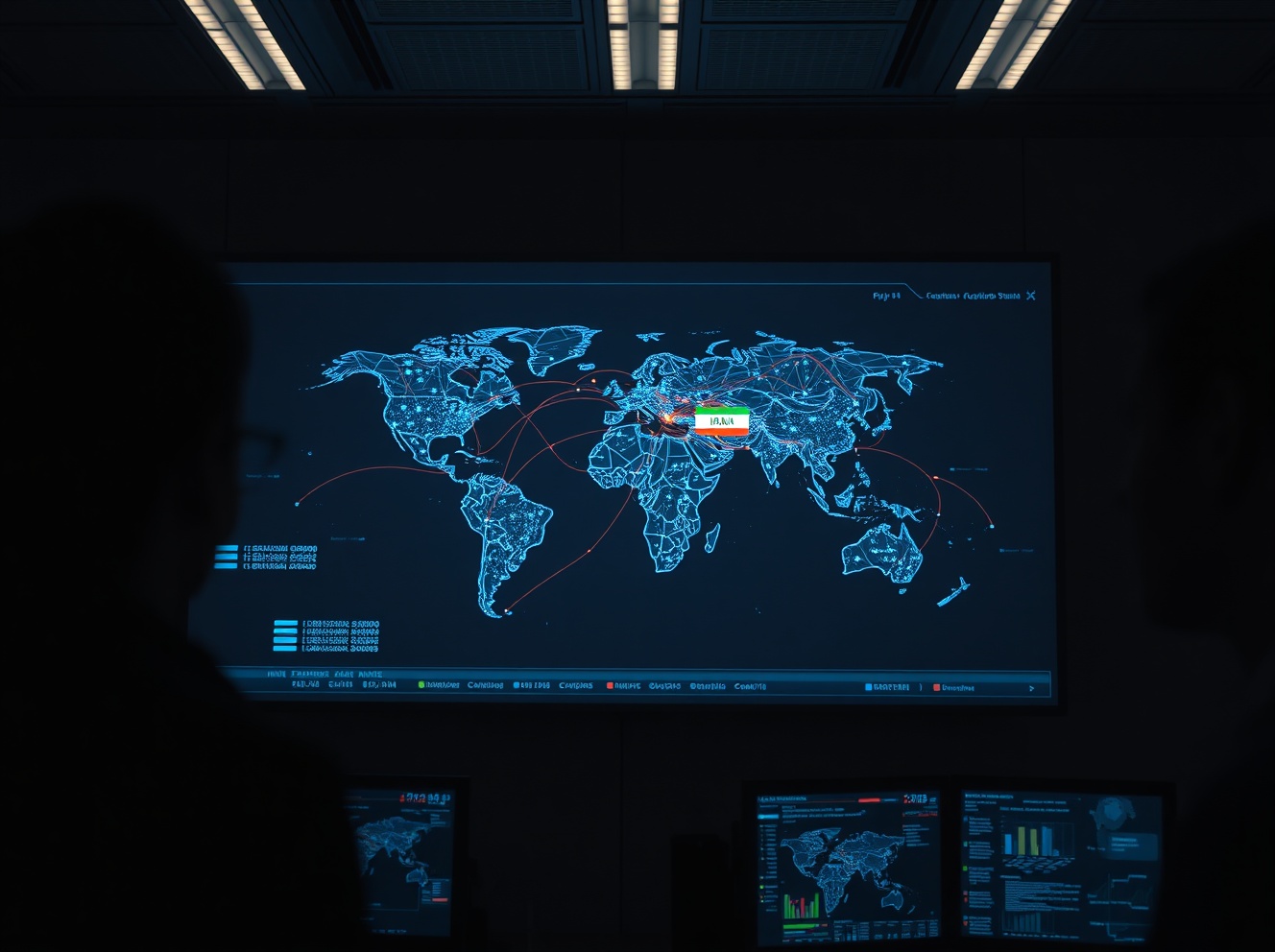
Blockchain analytics firm Arkham Intelligence has released a publicly accessible on-chain tracking map for cryptocurrency wallets believed to be linked to the Central Bank of Iran. The move follows the U.S. Treasury Department’s Office of Foreign Assets Control (OFAC) designation of two Tron (TRX) TRC-20 addresses on April 24, which were added to the Specially Designated Nationals (SDN) list. The map is designed to help law enforcement agencies, compliance teams, and the general public monitor connected addresses and trace fund flows in real time.
Background of the Sanctions
OFAC’s decision to blacklist the two Tron addresses marks a significant step in targeting Iran’s use of cryptocurrency to bypass international financial sanctions. At the time of the designation, U.S. authorities announced that they had frozen over $344 million in Tether (USDT) held in these wallets, working in coordination with Tether’s compliance team. The action underscores the growing collaboration between regulators and stablecoin issuers to enforce sanctions in the digital asset space.
Arkham’s Tracking Tool and Its Implications
Arkham’s platform aggregates blockchain data from multiple sources, including Tron, to provide a visual representation of wallet connections and transaction histories. By publishing this map, Arkham aims to increase transparency and enable faster identification of related addresses that may be used to move funds covertly. The tool is particularly relevant given the scale of Iran’s crypto market: estimates suggest Iran’s total cryptocurrency trading volume reached approximately $11.4 billion in 2024 and around $10 billion in 2025, according to industry data.
Why This Matters for the Crypto Ecosystem
The release of this tracking map highlights the dual role of blockchain analytics in both facilitating legitimate financial oversight and raising privacy concerns. For regulators and law enforcement, it provides a powerful tool to combat illicit finance. For the broader crypto community, it reinforces the reality that public blockchains are not anonymous and that sanctioned entities face increasing scrutiny. The case also demonstrates how stablecoin issuers like Tether are actively cooperating with authorities to freeze assets, a trend that could influence future regulatory frameworks.
Conclusion
Arkham’s decision to publish an on-chain map of suspected Iranian central bank wallets represents a notable development in the intersection of blockchain transparency and international sanctions enforcement. By making this data publicly available, the firm is contributing to ongoing efforts to monitor and disrupt financial networks that may be used to evade sanctions. As the U.S. government continues to target crypto-related sanctions evasion, tools like Arkham’s map are likely to become increasingly important for both compliance and public accountability.
FAQs
Q1: What is the purpose of Arkham’s on-chain tracking map?
The map is designed to help law enforcement and the public track cryptocurrency wallet addresses believed to be linked to the Central Bank of Iran, following OFAC sanctions. It visualizes connections and fund flows to aid in monitoring and compliance.
Q2: Which blockchain addresses are being tracked?
The map is based on two Tron (TRX) TRC-20 addresses that OFAC added to its Specially Designated Nationals (SDN) list on April 24. These addresses are suspected of being used by Iran’s central bank.
Q3: How much crypto was frozen in connection with these wallets?
U.S. authorities, in cooperation with Tether, froze over $344 million in USDT held in the sanctioned wallets at the time of the designation.
This post Arkham Publishes On-Chain Tracking Map for Suspected Iran Central Bank Crypto Wallets first appeared on BitcoinWorld.
0
0


 Manage all your crypto, NFT and DeFi from one place
Securely connect the portfolio you’re using to start.

0
0


0
0

0
0