
Dexsport Adds Binance Pay and Monero: What the New Payment Options Change

0
0
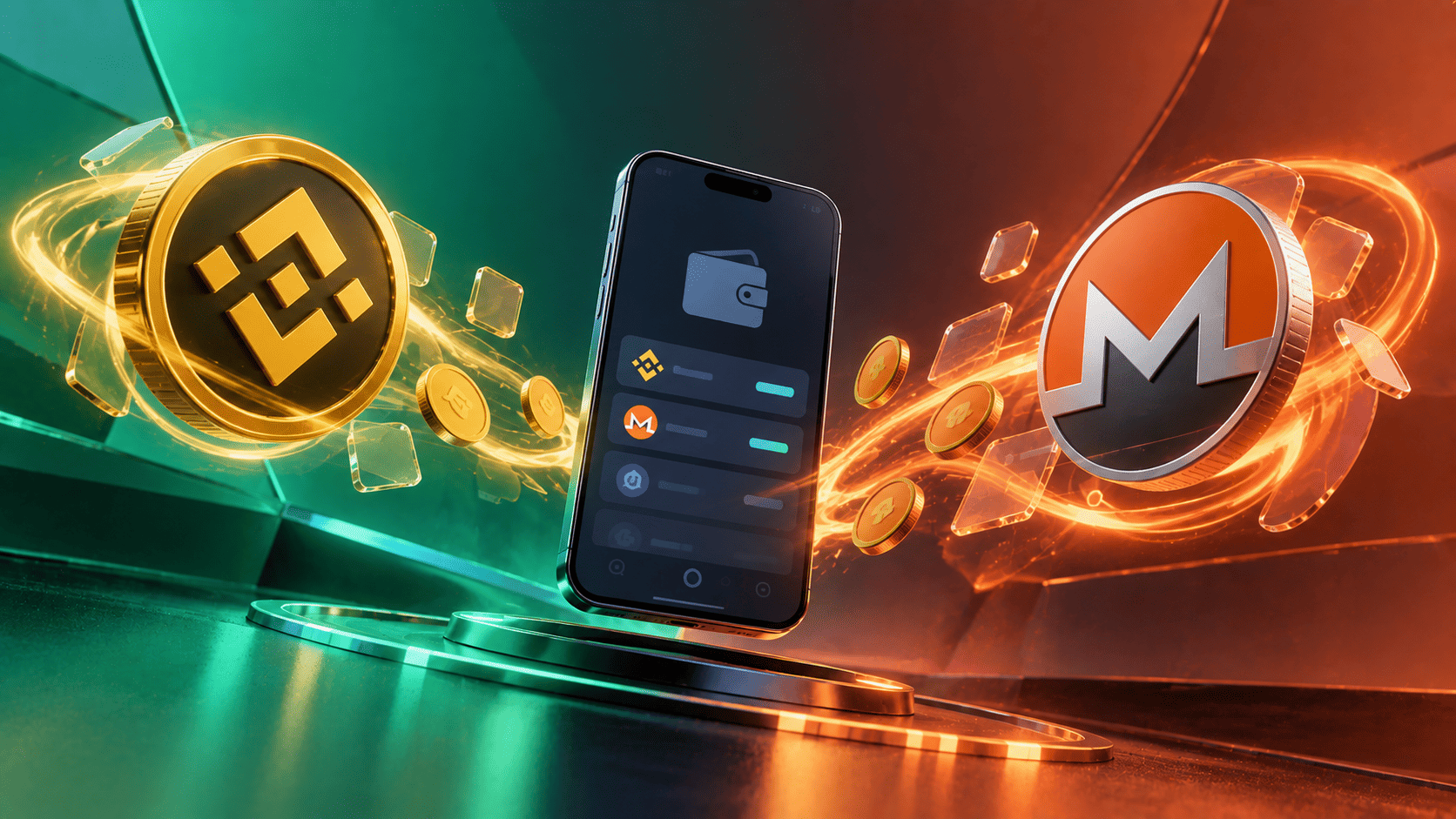
Dexsport's cashier now lists two crypto cashier options from opposite ends of the crypto. Dexsport Binance Pay links the account to the world's largest exchange, and Dexsport Monero support adds a coin with its own blockchain.
Binance Pay is an off-chain payment rail inside an exchange, while Monero (XMR) is a separate cryptocurrency with its own network. They solve different problems for different players.
Account rules stay the same for both. Only the path from wallet to balance differs, and that path shapes fees, speed, and the steps at the cashier.
Binance Pay: A Handoff in Place of an Address
Crypto deposits usually start with a wallet address and a network choice. As a Binance Pay casino option, this route skips both.
At the Dexsport cashier, you choose Binance Pay, enter an amount in USDT, and hand off to Binance to approve the payment. The transfer settles inside Binance's own system, so it does not pass through a public blockchain and typically avoids a network fee.
This route suits players who already keep USDT on Binance. It removes two common mistakes, a wrong network and a mistyped address, because the cashier asks for neither.
Two limits apply. Binance Pay handles USDT alone on Dexsport, and it depends on a Binance account in good order, with the identity checks Binance applies to its own users.
Monero: One More Asset on Its Own Network
Monero has its own blockchain, separate from Ethereum, Tron, or BNB Chain, so XMR deposits go to an XMR address on the Monero network.
The Monero network produces a block roughly every two minutes, and wallets typically treat received funds as spendable after 10 confirmations, about 20 minutes. Casinos may credit a deposit sooner or later, in line with their own confirmation policy.
Access to XMR has narrowed in recent years. Several large exchanges, Binance among them, delisted the coin in 2024, so a purchase now usually involves a smaller exchange or a swap service.
For most players, Monero support matters mainly if they already hold XMR and would rather avoid a conversion first.
Account rules stay the same whatever coin funds the balance. Dexsport's terms, withdrawal conditions and any KYC or AML checks apply to XMR deposits exactly as they apply to every other asset.
Three Routes to a Balance
The practical difference shows up in the steps each option takes.
-
Standard on-chain deposit: pick a coin, pick a network, copy the address, send from your wallet and wait for confirmations
-
Binance Pay: pick Binance Pay, enter a USDT amount, approve in Binance, and the balance updates once Binance confirms
-
Monero: pick XMR, copy the XMR address, send from a Monero wallet and wait for the network to confirm
Fees follow the same split. On-chain options come with a network fee that depends on the chain, Binance Pay usually avoids one, and XMR fees stay low on its own network. The full cashier cost of a route, not just the headline fee, gives the clearest comparison.
The New Options in Dexsport's Cashier
Dexsport supports dozens of coins on more than two dozen networks, and Binance Pay is the only rail on that list that works off-chain.
This matters for prediction markets in particular. Positions there settle in stablecoins, so a USDT deposit through Binance Pay funds the board directly. Players who compare stablecoin support across platforms will find USDT the most widely accepted option at Dexsport too.
Deposits then follow the usual account rules. Its terms require play on each deposit before a withdrawal, and identity checks may apply at any stage. Anjouan issues the platform's licence, and the cashier list changes over time, so confirm current options before you send funds.
Conclusion
Binance Pay and Monero widen Dexsport's cashier in two different directions. Binance Pay turns a USDT deposit into a quick handoff from a Binance account, without an address or network choice, while Monero lets current XMR holders fund an account without a conversion first.
Both follow the same account rules as every other asset, from the deposit play-through requirement to KYC or AML checks.
Choose the route that matches where your funds already are. Check local law, keep deposits within a set budget and play only if you are of legal age. Responsible gambling matters whichever route funds the balance, and a set budget keeps every route in check.
Disclaimer: The information here is provided for general purposes only and is not legal, tax, investment, or financial advice. Payment options, fees and terms change, so check current details on the platform before you deposit. Crypto transfers can be irreversible. Casino games and sports wagers involve risk, and rules vary by country, so check the law where you live. Please play responsibly, within your means, and only if you are of legal age.
0
0

 从同一位置管理所有加密资产、NFT 和 DeFi 资产
安全地关联您正在使用的投资组合,以开始交易。


