
Bittar’s Euribor conviction quashed in fresh blow to the SFO

0
0
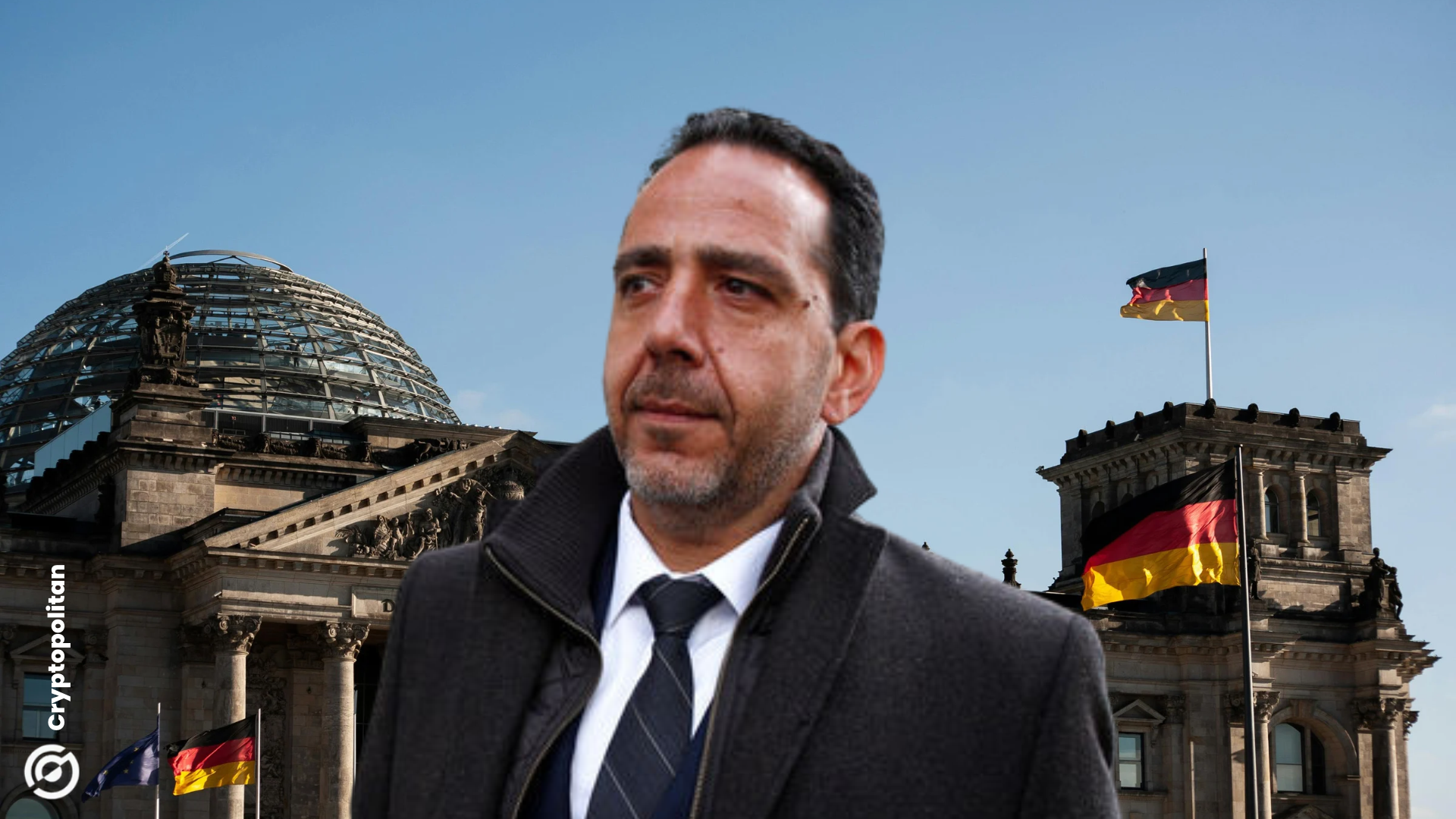
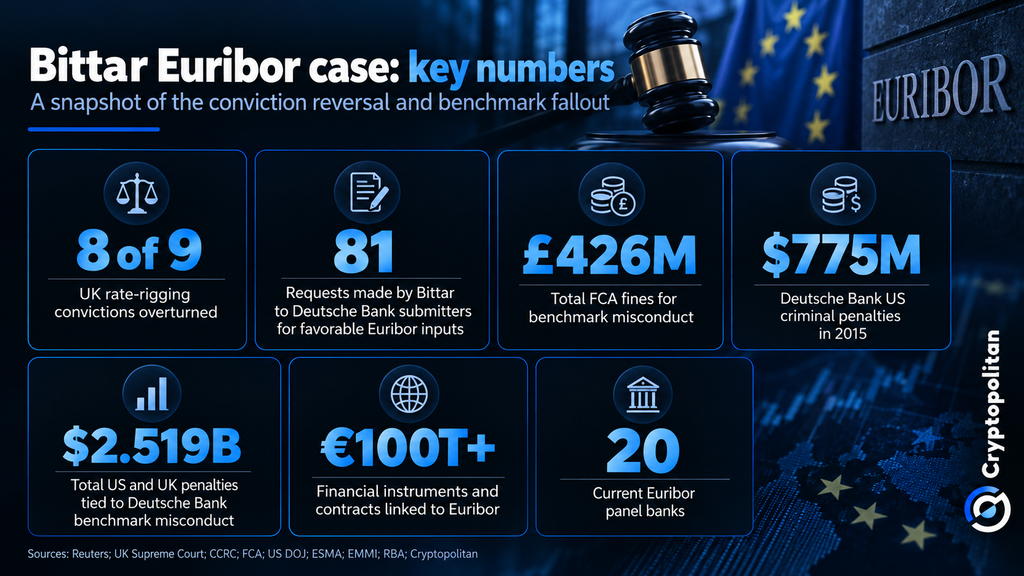
The rate-rigging conviction of ex-Deutsche Bank trader Christian Bittar was overturned on Friday, despite the fact that he pleaded guilty to the allegations in 2018. The ruling results in eight of the nine rate-rigging convictions in the United Kingdom being overturned, which is yet another setback for the Serious Fraud Office (SFO).
Moreover, the ruling raises an uncomfortable issue, namely: what should courts do in cases of misconduct, particularly where jurors were misled about the relevant law?
A guilty plea undone
Bittar was sentenced to five years and four months in 2018 for conspiracy to defraud. He is the first trader in a Euribor or Libor case to have his conviction overturned after admitting to the charges.
Bittar’s attorney, Adrian Darbishire, claimed that it was unnecessary for the prosecution to establish Bittar’s agreement to submit “false or misleading” rates.
“I have waited a very, very long time for this day,” declared Bittar.
The Court of Appeal’s written opinion is to come out shortly. Jason Williams from SFO stated that the agency hoped for a different outcome but respects the ruling.
Why the convictions are unravelling
The overturning comes after the Supreme Court’s ruling in July 2025 in favor of traders Carlo Palombo and Tom Hayes.
The judges ruled that juries had been misinformed. A rate submission can only be considered false if a trader’s business interests played a role in the submission. The jurors needed to ascertain whether the submissions were made on the basis of the submitter’s correct assessment.
Overturned, not exonerated
According to the Supreme Court, there was “ample evidence on which a jury, properly directed, could have found the appellant guilty.”
On Wednesday, the Court of Appeal overturned five more convictions: those of former Barclays traders Alex Pabon, Jay Vijay Merchant, Jonathan Mathew, Philippe Moryoussef and Colin Bermingham.
CCRC Chair Dame Vera Baird KC said there were “no distinguishing factors” between those cases and the earlier appeals.
The regulators’ separate ledger
The findings of regulators cannot be wiped out by the criminal reversals. In 2018, the FCA banned Bittar after receiving evidence of 81 requests for Euribor fixing requests. Additionally, it has also fined Bittar £426 million in seven separate cases of benchmark-related offenses.
Deutsche Bank paid $775 million in US criminal penalties in 2015. Penalties across US and UK authorities totaled roughly $2.519 billion, according to the Justice Department.
Euribor still carries the system
Euribor underpins more than €100 trillion in financial instruments and contracts. Its panel has 20 contributing banks.
After Cecabank’s departure from the market in September, regulators in Europe claimed that the benchmark is still reputable. Independent research conducted by the Australian central bank reveals the impact of thin trading and highly concentrated markets on the reliability of the benchmark.
A warning label for crypto reference rates
The issue is relevant to crypto, too. Cryptopolitan reported that FalconX executed forward rate agreements tied to the Treehouse Ethereum Staking Rate.
As crypto derivatives mature, traders will need to trust not just the rates they use, but the rules behind them.
Don’t just read crypto news. Understand it. Subscribe to our newsletter. It's free.
0
0
 Manage all your crypto, NFT and DeFi from one place
Securely connect the portfolio you’re using to start.