
Chainflip Hack Losses Rise to $12M After 122.9 BTC Theft

0
0

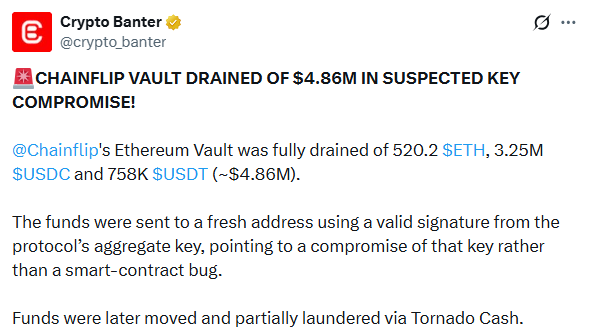
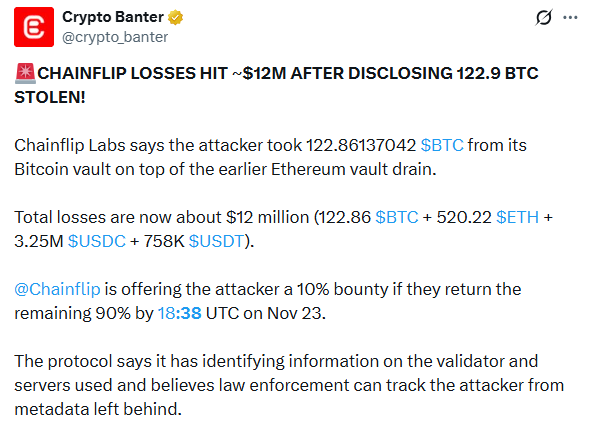
The Chainflip Hack now totals about $12 million, after Chainflip Labs confirmed that the attacker also took 122.86137042 BTC from its Bitcoin vault following the earlier Ethereum vault drain.

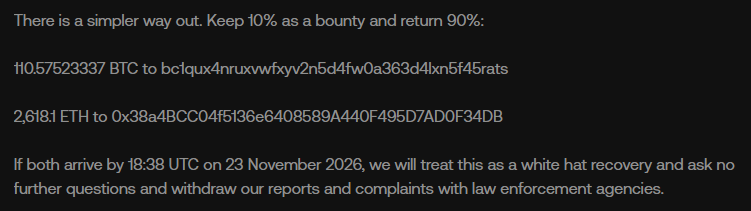
The team has offered the attacker a 10% bounty if the remaining 90% is returned by 18:38 UTC on November 23, 2026, according to its official message to the attacker.
This crypto news report covers what was taken, how the bounty works, and what users can do right now.
Key Takeaways
Chainflip Labs says an attacker took 122.86 BTC from its Bitcoin vault, on top of the earlier Ethereum vault drain.
Total losses are now about $12 million across four crypto assets.
The team offers a 10% bounty if the other 90% comes back by 18:38 UTC on November 23.
The protocol says it has identifying information on the validator and servers used.
What Was Stolen in the Chainflip Hack?
Chainflip Labs listed every stolen asset in its public message, and the amounts show how the loss grew from the first Ethereum vault drain to the later Bitcoin theft.
Chainflip is a cross-chain decentralized exchange, which means people swap coins such as Bitcoin and Ether between different blockchains without a central company holding their money.
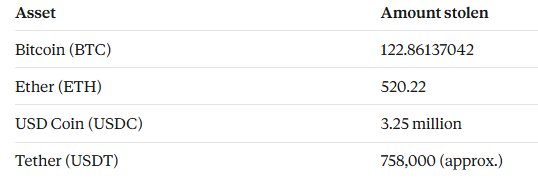
According to Crypto Banter X account, together these four assets add up to roughly $12 million in stolen crypto, which makes this one of the larger DeFi security incidents of the month.
How Does the Chainflip Bounty Offer Work?
Chainflip is offering the attacker a 10% bounty, which means the attacker could keep one tenth of the stolen funds if the other 90% is sent back before the deadline.
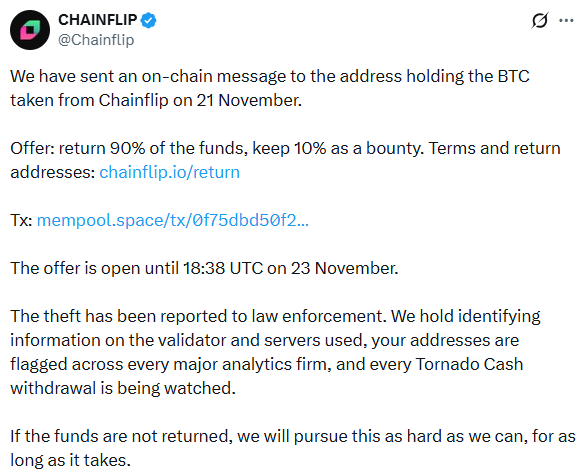
The deadline is 18:38 UTC on November 23, 2026, and the team has asked for the return to follow the steps on its message page.
A bounty like this gives a hacker a way out without legal trouble and gives the victim a real chance to win back most of the money, which is why such offers appear often after large crypto exploits.
Can Law Enforcement Track the Chainflip Hack Attacker?
The protocol says it has identifying information on the validator and the servers used in the attack, and it believes law enforcement can track the attacker from metadata left behind.
Metadata means small technical details, such as server records and network traces, that can help link activity on a blockchain to a real person or group.
Anyone in the United States who is a victim of crypto theft can file a report through the FBI's Internet Crime Complaint Center, which is the official place to report this kind of crime. Chainflip has not named a suspect in the information it has shared so far.
What Should Chainflip Users Do After the Chainflip Hack?
Users should follow only the updates posted on the project's official website and verified social accounts, because scammers often copy hack headlines to push fake recovery pages that try to steal wallet access.
Never share your seed phrase with anyone, and avoid any link that asks you to connect your wallet to claim compensation. Check the official site for later news about reimbursement or when the protocol will restart.
The Bottom Line
The Chainflip Hack is still a developing story, and the next few hours will show whether the bounty offer brings the money back or the case moves to investigators.
Disclaimer: This article is for information only and is not financial or investment advice. Crypto assets carry risk, including the loss of funds, so verify current details with official sources.
0
0


 Manage all your crypto, NFT and DeFi from one place
Securely connect the portfolio you’re using to start.
 Where will Bitcoin trade next?
Live Polymarket and Kalshi odds on Bitcoin price targets, compared side by side.
See Bitcoin price odds


