
Monero payments stay private, but a proof can settle an invoice

0
0
BitcoinWorld
Monero payments stay private, but a proof can settle an invoice
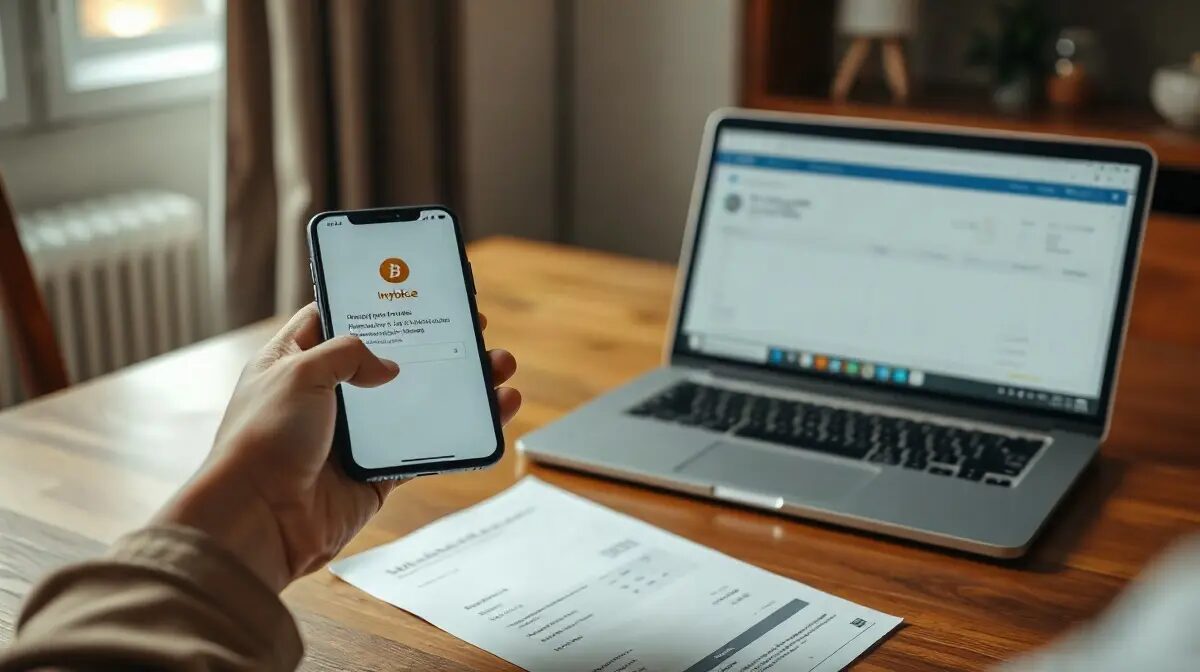
A Monero user holding a transaction hash cannot settle a dispute the way a Bitcoin user can, because the network does not publish a conventional receipt showing sender, recipient and amount. According to Crypto.news, the answer lies in transaction-specific proofs and signed receipts that let a merchant check one payment without receiving the buyer’s recovery phrase or private spend key.
Key facts
- The traditional verification route uses three items: the transaction ID, the destination address and a transaction-specific key generated for that payment.
- Monero’s wallet RPC documentation describes a get_tx_proof function that takes a transaction ID, destination address and optional message and returns a signed proof.
- A private view key can create a view-only wallet that recognises incoming transactions but cannot sign outgoing ones.
- The project’s technical documentation warns that a valid proof does not guarantee the associated output remains spendable.
- Crypto.news published the feature on November 17, 2026, edited by Olivia Stephanie.
What the merchant can actually check
The difficulty appears when someone outside the two wallets needs to inspect a payment. A merchant can recognise its own incoming transfers through its wallet software, but a mediator handling an invoice dispute does not hold that information and cannot read the receipt the way the merchant can.
Crypto.news describes the guide’s standard route: the sender retrieves a one-time transaction key and supplies it alongside the transaction ID and the address the merchant issued for the order. A checking wallet uses those details to decode the amount sent to that destination. The process does not require the recovery phrase or private spend key.
A second route uses signed proofs. The sender’s wallet can generate a signature over the transaction, the address and an optional message agreed by both parties, and the verifier checks it against the same inputs. As Crypto.news notes, the message can carry an invoice reference, but it does not independently authenticate the merchant or establish when the invoice was issued.
Proof type matters as much as the proof itself
Monero separates several kinds of evidence, and mixing them up is where disputes go wrong:
- Transaction proof confirms an amount was directed to a chosen address.
- Spend proof addresses whether the proving wallet made the payment, which matters if several people know the same transaction ID.
- Reserve proof concerns a balance claim rather than a single transfer.
- View-only access exposes a much larger window into incoming activity than one disputed payment.
A payment proof is evidence of a transfer, not a statement of current funds. The documentation warns that an output could have been spent afterwards or be subject to a lock, so confirmation and availability stay with the recipient’s own wallet checks.
The source also flags that a basic view-only wallet needs exported key images to track spent outputs accurately. A viewing copy that knows receipts but not which outputs were spent cannot reproduce the full available balance.
Reconciliation, not just cryptography
Crypto.news works through a 2.5 XMR invoice to show why the commercial record decides the result. A genuine transfer to the wrong address does not satisfy an order. A wallet that spends 2.5 XMR plus a fee sends a different figure to the merchant than one where 2.5 XMR describes the total deduction. A payment split into 1 XMR and 1.5 XMR needs each receipt checked separately, because one proof does not cover a series of transfers.
The same payment should not be credited to two orders, and a late transfer can sit outside the merchant’s published terms. A stale wallet view can also hide a payment that is already recorded on the chain, which is why the guide distinguishes incoming, outgoing, pending, failed and pool records.
Where an exchange sent the funds, the customer may hold only a withdrawal reference and a hash, not the transaction secrets the provider retains. The exchange controls the sending wallet, so obtaining the appropriate proof means asking the provider rather than installing another local wallet.
Why it matters
Privacy coins are often criticised for making dispute resolution harder, and this guide shows the practical limits of that claim. The tools exist, but they require the parties to agree on what is being proved: a payment, a sender’s role, a balance, or ongoing visibility. Sharing a view key or exporting a full transfer history can reveal far more than the invoice in question, and posting a transaction key next to an invoice or customer name can identify a payment the chain itself concealed.
Market snapshot
At the time of the Crypto.news report, Monero traded at $501 (₹46,789), up 0.7% over 24 hours and down 9.3% over seven days, with a market cap of $9.43 billion and 24-hour volume of $207.1 million, according to CoinPaprika data fetched at 17:04 UTC on November 17, 2026.
What to watch
The next test of these tools is how payment processors handle them in practice. Crypto.news notes that a processor’s confirmation policy and internal reconciliation decide when an order page updates, separately from when a transfer first appears, so the gap between a verified proof and a credited invoice is where most future disputes will sit.
Frequently Asked Questions
Why is a Monero transaction hash not enough to prove an invoice was paid?
The hash identifies a transaction without publicly revealing the recipient or amount in the way a transparent chain does. The merchant still needs the destination and verification details, then has to match the result against the invoice.
What does a traditional Monero payment proof contain?
The official payment guide lists the transaction ID, the destination address and the transaction-specific key. A checking wallet uses those details to confirm the amount directed to the selected address without receiving the private spend key.
Does a valid proof mean the funds are still available to spend?
No. Monero’s technical documentation warns that a successful proof check does not guarantee the associated output remains spendable, so the recipient’s own wallet must confirm confirmation status and availability.
Should a buyer share a view key to resolve one invoice?
A transaction-specific proof is normally the narrower option. A view key opens up incoming activity beyond the disputed payment, and a basic view-only wallet also needs spent-output information to track outgoing activity accurately.
This post Monero payments stay private, but a proof can settle an invoice first appeared on BitcoinWorld.
0
0


 Manage all your crypto, NFT and DeFi from one place
Securely connect the portfolio you’re using to start.
 Where will Bitcoin trade next?
Live Polymarket and Kalshi odds on Bitcoin price targets, compared side by side.
See Bitcoin price odds


