
Amazon readies a second Vulcan as its first Leo flight eyes Nov. 13 liftoff

0
0
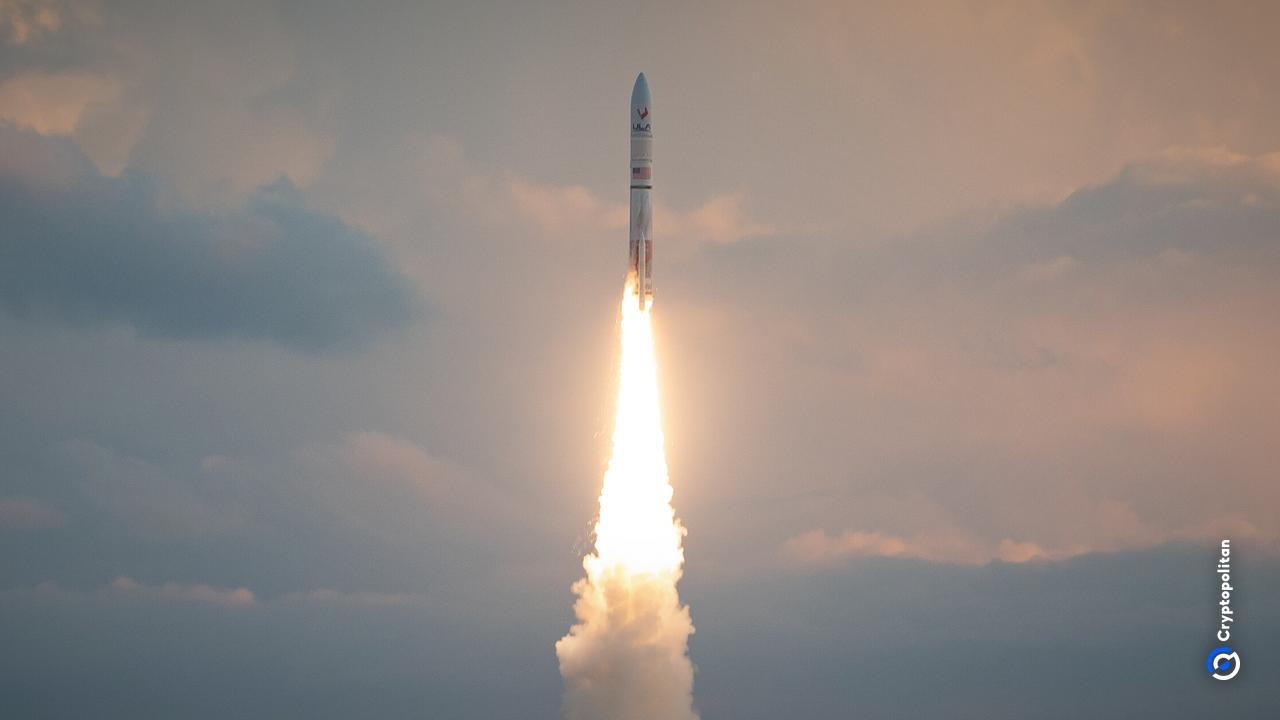
Amazon has a second Vulcan rocket in the works to fly within weeks of its first Leo mission on the vehicle.
The United Launch Alliance’s rocket, with 40 satellites, is slated to launch on November 13 as Leo Vulcan 1, or LV-01.
Amazon said the LV-01 will fly from Space Launch Complex 41 at Cape Canaveral Space Force Station in its November 9 announcement. This is the largest Leo payload yet, and the first of 38 Vulcan launches Amazon has on contract with ULA.
ULA can now prepare two rockets side by side at Cape Canaveral
LV-01 goes to the pad as LV-02 is already getting ready in a building called VIF-G. Amazon anticipates it will fly within weeks of a nominal LV-01 mission.
Amazon paid for the ground hardware for the swifter pace. LV-01 is the first ULA mission to utilize VIF-A, a vertical integration facility funded by Amazon, and a new mobile launch platform built for Leo flights.
Both assets permit ULA to prepare two Vulcan missions in parallel. The time between launches becomes days or weeks.
Ahead of its first service debut later this year, Amazon Leo wants to double the pace of its annual launches. Vulcan is carrying more than 1,500 first-generation satellites across its 38 missions, the most of any rocket in the program.
“Vulcan will launch close to half our first-generation constellation, making it our primary workhorse over the next several years,” said Melissa Wuerl, director of launch systems for Amazon Leo.
Six GEM 63XL boosters and a shorter Centaur V fly first
LV-01 is also debuting new hardware. It is the first flight of the Vulcan with its six boosters and the first with a shorter, optimized Centaur V upper stage that enables the rocket to convey more satellites to low Earth orbit.
The VC6L heavy-lift version is powered by six Northrop Grumman GEM 63XL solid rocket boosters with fortified nozzle insulation. The 40 satellites are delivered by means of a 5.4-meter payload fairing.
Vulcan has been grounded since February after a problem on a Space Force mission involving a booster nozzle. The military transferred national security launches to SpaceX, and ULA says LV-01 will include an improved nozzle design.
Amazon said all of the first few Leo-Vulcan missions will usher in new flight hardware. The first flights will carry 40 satellites, with larger payloads for later flights.
Amazon Leo, previously known as Project Kuiper, has 396 satellites in orbit and has not put any into space since early July. Its FCC license requires all 3,232 satellites to be launched by July 2029.
“Amazon Leo remains on track to get initial service this year,” Amazon CEO Andy Jassy told analysts on Oct. 29. The network vies with SpaceX’s Starlink, which had 13.6 million subscribers at the end of the third quarter.
Next up for Leo is Ariane 6. Leo Europe 4 is scheduled to carry 36 satellites and will launch from Kourou, French Guiana, no sooner than November 23.
Deutsche Telekom, Orange, Telefónica and Vodafone are exploring a joint bid for Europe’s 2 GHz satellite spectrum, Cryptopolitan reported.
If you're reading this, you’re already ahead. Stay there with our newsletter.
0
0
 Manage all your crypto, NFT and DeFi from one place
Securely connect the portfolio you’re using to start.