
CleanSpark’s $6.56B Georgia Lease Leaves Bitcoin Funding Gap

0
0
BitcoinWorld
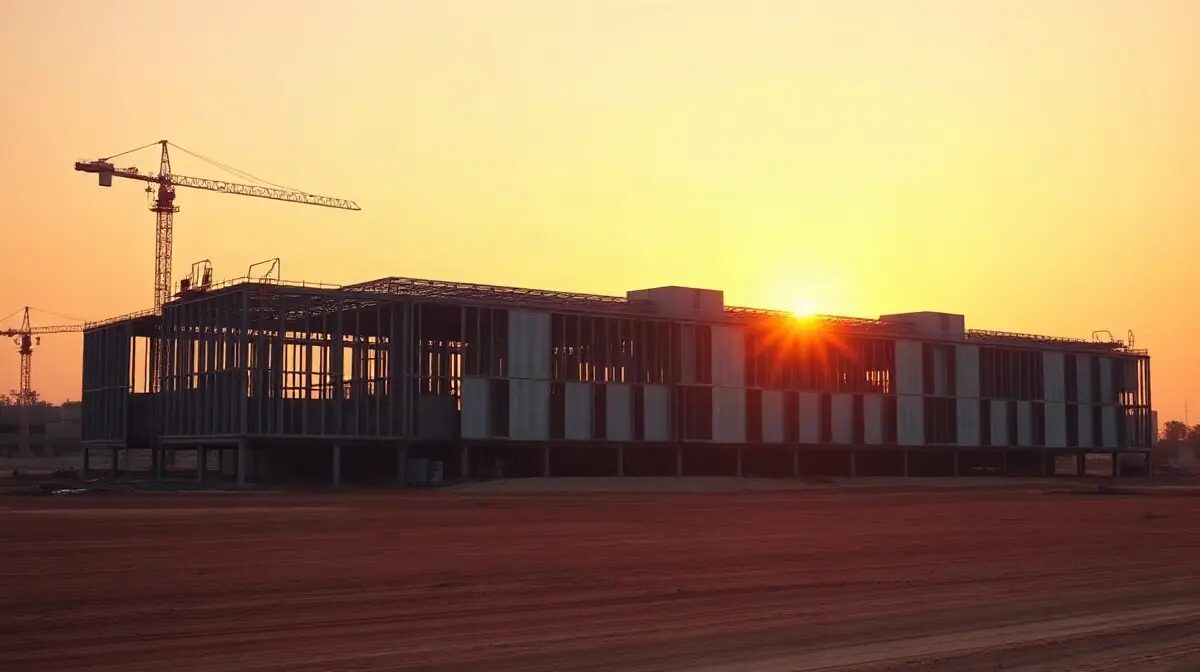
CleanSpark’s $6.56B Georgia Lease Leaves Bitcoin Funding Gap
CleanSpark has collected its first $5 million from the technology tenant leasing its Sandersville, Georgia, data center, but the payment is an advance against rent booked as deferred revenue, and no lease income had been recognized by the September 30 fiscal year-end. The Bitcoin miner disclosed the arrangement in its annual filing on November 24, as reported by Crypto.news.
Key facts
- Fiscal 2026 mining revenue was $576.5 million and the net loss $987.1 million, against net income of $364.5 million a year earlier.
- The Sandersville lease covers 175 megawatts of critical IT load, with phased commencement expected between November 2027 and March 2028.
- The CSDC Finance I notes carry a 7.875% coupon, mature in 2031, and settle at 98.5% of par.
- The year-end treasury of 13,530 BTC includes a receivable for 1,810 BTC posted as collateral.
- CleanSpark paid an average of 5.5 cents per kilowatt-hour at owned sites, while the energy cost per mined Bitcoin rose to $47,130.
Debt starts charging before the rent does
The headline lease number is a gross figure covering two decades. The first interest payment on the project notes is scheduled for April 1, 2027, about seven months before the anticipated first data hall, and principal installments are not expected to begin until October 1, 2028 under the current timetable.
That sequencing matters because the financing and the lease expose CleanSpark to different kinds of risk. The notes restrict transfers out of the project entities, and a parent-level completion guarantee obliges CleanSpark to fund the subsidiary if note proceeds and other committed funds cannot finish construction. The tenant’s parent guarantees payments under the lease, but only up to a cap tied to unpaid base rent and operating expenses.
About $2.14 billion of CleanSpark’s fiscal year-end cash was restricted to Sandersville development, and a $327 million debt service reserve sits alongside it. A dollar of future rent passes through a payment waterfall for project expenses and debt service before anything reaches the parent.
Bitcoin still carries the bridge
Mining revenue fell to $576.5 million from $766.3 million as output slipped to 7,253 BTC from 7,873 and average hashrate dropped 21% to 36 exahashes per second. The reported loss was driven less by operations than by a $707.3 million swing in Bitcoin fair-value adjustments, from a $425.6 million gain in fiscal 2025 to a $281.6 million loss in fiscal 2026.
Net cash used in operating activities moved only slightly, from about $461.0 million to $468.4 million. CleanSpark also raised $609.2 million from Bitcoin sales and the settlement of Bitcoin-linked derivatives, classified within investing activities, so the operating cash line understates what the treasury has funded.
In the final quarter, CleanSpark produced 1,708 BTC and sold or delivered 2,102 BTC. The gap reflects option exercises, including a September delivery of 700 BTC through calls, alongside two coins sold on the spot market. On the November 24 earnings call, President and CFO Gary Vecchiarelli said the company intends to sell nearly all newly mined Bitcoin to cover operating expenses and left open modest sales beyond production.
Why it matters
CleanSpark is testing whether the contracted cash flows of a data center landlord can carry a Bitcoin miner through a weak mining year. The structure concentrates risk in the gap between a fixed interest bill and rent that begins only after construction and delivery conditions are met. CleanSpark disclosed a $177.1 million impairment largely tied to converting Sandersville from mining to data center use, a reminder that equipment value and cash generation can diverge. BitcoinWorld previously reported that the company was weighing sales beyond its mined output following the $987 million loss.
What to watch
The next checkpoints are the first data hall delivery against the November 2027 schedule, the April 2027 interest payment, and the company’s next quarterly disclosures on coin sales, collateral receipts and fit-out revenue tied to tenant construction work.
Frequently Asked Questions
Has CleanSpark started collecting rent in Sandersville?
No. Its annual filing shows no Sandersville lease revenue for the year ended September 30, with phased commencement expected from November 2027.
What does the $6.6 billion figure actually represent?
It is roughly 20 years of contracted base rent under the initial term, excluding variable reimbursements and optional extension periods.
How much Bitcoin does CleanSpark hold, and is all of it sellable?
The reported treasury was 13,530 BTC, but that includes a receivable for 1,810 BTC posted as collateral.
Who covers construction cost overruns?
CleanSpark’s parent-level completion guarantee requires it to fund the subsidiary if note proceeds and other project funds fall short.
This post CleanSpark’s $6.56B Georgia Lease Leaves Bitcoin Funding Gap first appeared on BitcoinWorld.
0
0

 Manage all your crypto, NFT and DeFi from one place
Securely connect the portfolio you’re using to start.
 Where will Bitcoin trade next?
Live Polymarket and Kalshi odds on Bitcoin price targets, compared side by side.
See Bitcoin price odds


