
Ex-Robinhood Engineer Pleads Guilty in $125K Hyperliquid Fraud Case

0
0
BitcoinWorld
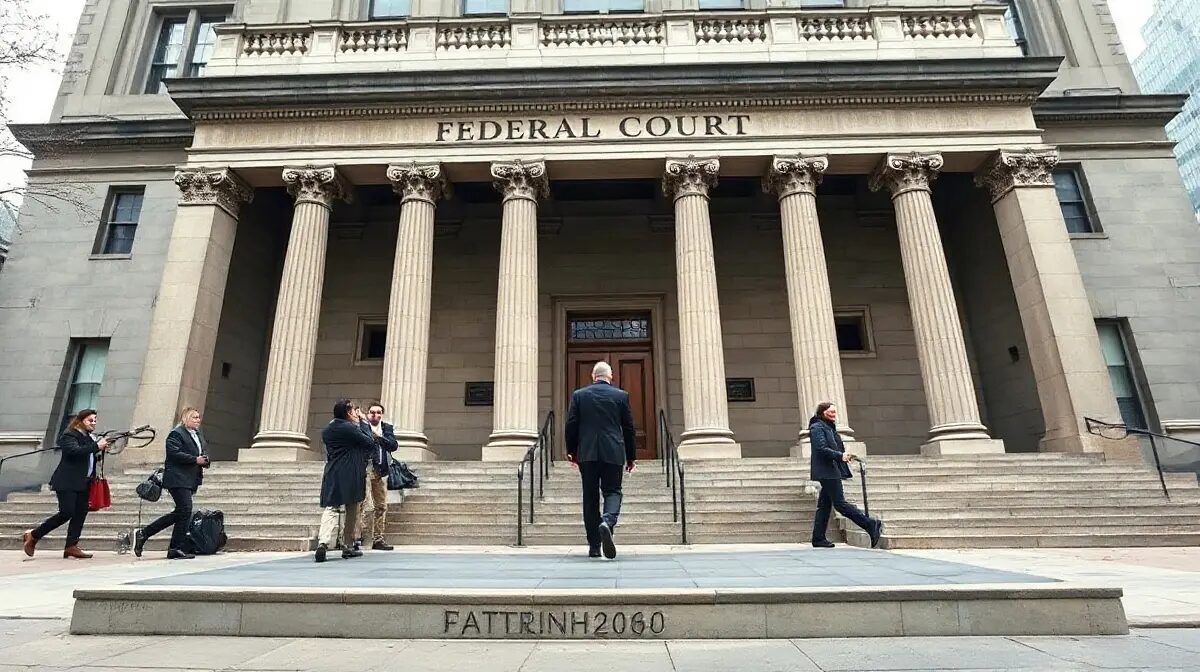
Ex-Robinhood Engineer Pleads Guilty in $125K Hyperliquid Fraud Case
A former Robinhood software engineer, Huaisong Xiang, pleaded guilty to wire fraud after making $125,523 from Hyperliquid perpetual futures trades placed using confidential information about upcoming Robinhood Crypto token listings, the U.S. Attorney’s Office for the Southern District of New York announced on Nov. 16, according to Crypto.news.
Xiang entered his plea before U.S. District Judge Colleen McMahon in Manhattan. Cointelegraph, which also reported the plea, identified him as Huaisong “Jerry” Xiang and said the Justice Department disclosed the agreement on Monday.
Key facts
- Xiang pleaded guilty to one count of wire fraud and agreed to forfeit $125,523 in trading profits.
- Prosecutors said he used nonpublic details about which tokens Robinhood Crypto planned to support and when listings would be announced, trading over roughly a year.
- The maximum sentence is 20 years; sentencing is scheduled for Feb. 25, 2027, before Judge McMahon.
- He was charged on Sept. 15 alongside another former Robinhood engineer, Hefu Chai, with commodities fraud and wire fraud.
- Cointelegraph reported that the Justice Department’s Monday announcement gave no update on Chai’s case, and that crypto analytics firm Kaiko had flagged suspicious Hyperliquid trading ahead of Robinhood’s Jan. 15 listing of Lighter (LIT).
How the scheme worked, according to prosecutors
Xiang’s position at Robinhood Markets gave him access to internal information about the cryptocurrencies the brokerage planned to introduce, including whether Robinhood Crypto intended to support particular tokens and the timing of public announcements.
Rather than buying the tokens directly, he opened perpetual futures positions on Hyperliquid before the company’s plans became public. Perpetual contracts let traders speculate on an asset’s price without owning it, with no fixed expiry and periodic funding payments that keep contract prices aligned with the underlying asset. For Xiang, that structure allowed him to profit from Robinhood’s announcements without holding the cryptocurrencies themselves.
Prosecutors said he knew the information was confidential and that trading on it breached his obligations to his employer. The FBI investigated the case, which was handled by the Southern District’s Securities and Commodities Fraud Task Force; Assistant U.S. Attorney Alexandra N. Rothman is prosecuting.
Two engineers, two cases, and one gap in the record
The September charges named Xiang and Chai, with authorities initially alleging each had earned more than $50,000 through perpetual futures positions placed before Robinhood announced support for additional tokens. The complaints described a similar trading approach, but the men were charged separately.
The reports diverge on one detail worth flagging. Cointelegraph tied part of its account to Kaiko’s earlier analysis of trading around Robinhood’s Jan. 15 listing of Lighter (LIT), saying a wallet identified in that investigation matches an address prosecutors later linked to Chai. Crypto.news’s account does not mention Kaiko or the LIT listing, and instead notes that in September, searchable asset pages for JUGGERNAUT and FRONG were followed by sharp price gains despite neither token receiving confirmed spot trading support.
Robinhood said after the September charges that it had investigated the suspected misconduct and referred the matter to law enforcement and regulators, adding that it has zero tolerance for insider trading and maintains policies covering confidential information and new listings.
Why it matters
The case is a direct test of whether decentralized derivatives venues change the legal exposure of corporate insiders. Hyperliquid has become a major venue for perpetual futures, and its prices are now tracked well beyond crypto-native tools — our own reporting covered Bloomberg Terminal adding Hyperliquid perpetual prices in October 2026.
For employees at brokerages and exchanges, the message from prosecutors is that using a platform outside the regulated venue does not separate the trade from the confidential information behind it. For traders, it is a reminder that listing announcements are closely watched events where advance knowledge can be worth real money — and that authorities are now tracing that activity on-chain and through analytics firms.
Market snapshot
Hyperliquid’s HYPE token traded at $69.56 (₹6,503) as of Nov. 17, 2026, up 4.6% over 24 hours but down 7.2% over the past week, with a market cap of $16.54 billion and 24-hour volume of $492.7 million, according to CoinPaprika data timestamped 06:50 UTC. Ether changed hands at $1,821 (₹170,269), roughly flat on the day and down 14.2% over seven days.
What to watch
Sentencing is set for Feb. 25, 2027, before Judge McMahon, and the Justice Department has not publicly updated the status of Chai’s case. Any further court filings in either matter — and any additional referrals from exchanges to regulators — will shape how broadly this enforcement approach extends.
Frequently Asked Questions
What exactly did Huaisong Xiang do?
Prosecutors said he used internal knowledge of which tokens Robinhood Crypto planned to list and when those announcements would be made public, then opened Hyperliquid perpetual futures positions ahead of the disclosures between 2025 and 2026.
How much did he earn and what happens to the money?
The U.S. Attorney’s Office for the Southern District of New York said he earned $125,523 and agreed to forfeit that full amount as part of his plea agreement.
When will he be sentenced?
U.S. District Judge Colleen McMahon scheduled sentencing for February 25, 2027, in Manhattan. The maximum penalty for the wire fraud count is 20 years in prison.
What happened to the other former Robinhood engineer charged in September?
Hefu Chai was charged alongside Xiang on Sept. 15. Cointelegraph noted that the Justice Department’s Monday announcement did not include an update on Chai’s case.
Did using a decentralized exchange protect him from prosecution?
No. U.S. Attorney Jamie McDonald said corporate insiders will be held accountable regardless of the trading platform used, according to the reporting.
This post Ex-Robinhood Engineer Pleads Guilty in $125K Hyperliquid Fraud Case first appeared on BitcoinWorld.
0
0

 Manage all your crypto, NFT and DeFi from one place
Securely connect the portfolio you’re using to start.


