
XRP Escrow Burn: Why Validators Cannot Force Ripple

0
0
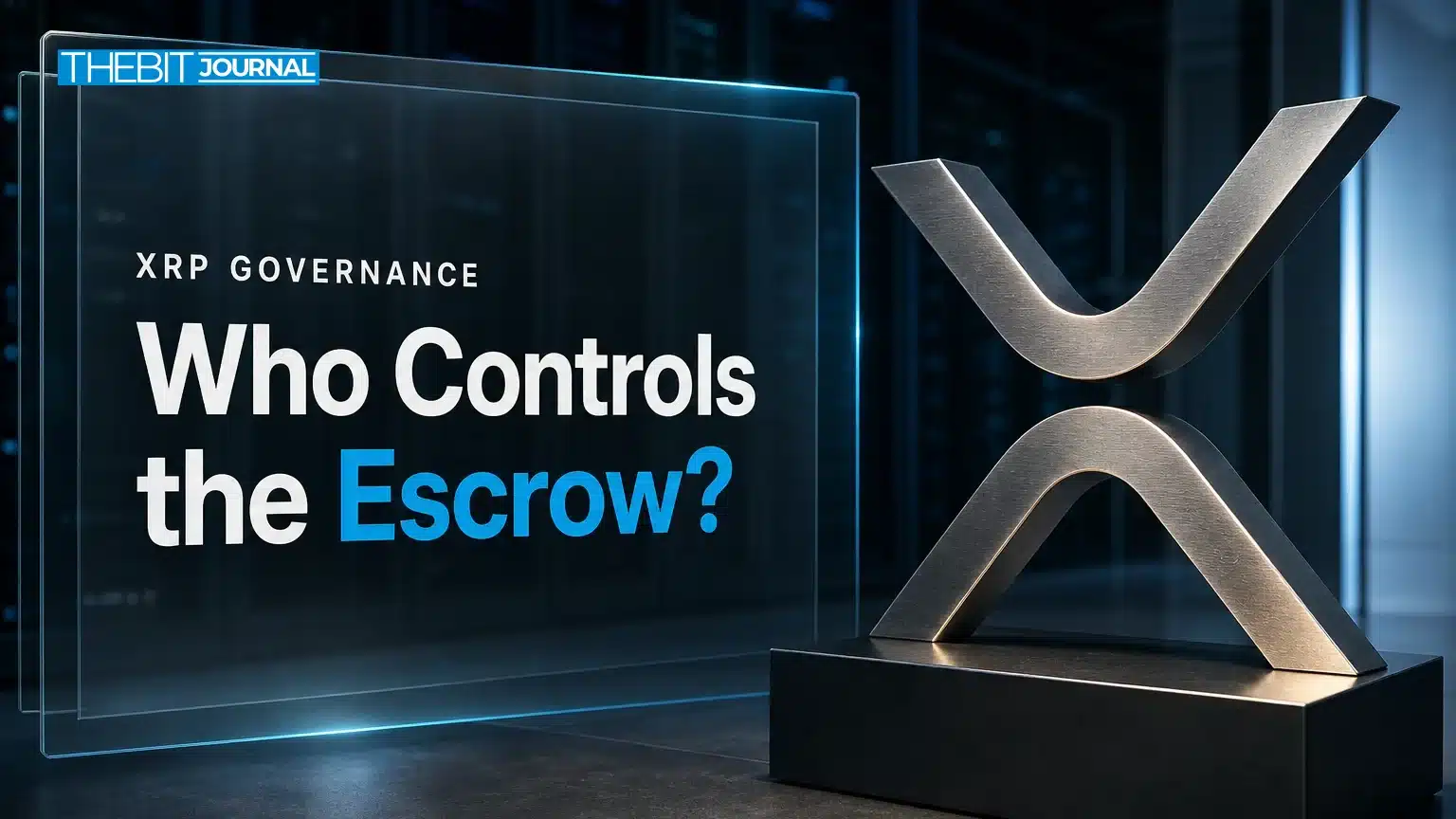
XRP escrow burn campaigners want Ripple to destroy 31.1 billion tokens by March 31, 2027, but Ripple CTO Emeritus David Schwartz says XRP Ledger validators cannot force the company to comply. His November 27 comments sharpen a debate about token supply, Ripple’s control of escrowed XRP and what validator voting can actually change.
Why XRP escrow burn matters
The proposal would remove a large pool of XRP from Ripple’s scheduled escrow releases, but there is no protocol mechanism for validators to seize or destroy Ripple’s holdings. The dispute is about both supply and governance: a majority can adopt rules for its own network, but it cannot make dissenting participants follow them.
What we know
What the XRP escrow burn campaign demands
BeInCrypto and crypto.news report that the group Make XRP Great Again sent an open letter to Ripple CEO Brad Garlinghouse on November 16. It called for Ripple to burn 31.1 billion XRP held in escrow by March 31, 2027. The letter also asked Ripple’s leadership for a public response and a verifiable plan covering the legal and technical steps.
The group argues that permanently removing the tokens would reduce supply and align Ripple’s interests more closely with XRP holders. That describes the campaign’s rationale, not an established market effect. A burn would reduce the number of tokens available through escrow, but it would not by itself ensure higher demand or a higher XRP price.
Ripple’s published holdings data lists 31.7 billion XRP in escrow as of September 30, 2026, alongside 36,809,481,946 XRP held in total. A later snapshot from an SBI Holdings investor presentation put escrow at 31.4 billion as of October 28. Those dated disclosures differ from the campaign’s 31.1 billion demand, so the figures should not be treated as one current, exact balance. Ripple’s [official holdings page](https://ripple.com/xrp/) provides its reported figures.
Ripple’s escrow releases are scheduled monthly, with up to 1 billion XRP made available. BeInCrypto says Ripple plans a December 1 release. Crypto.news reported that 700 million XRP from the November 1 release was returned to escrow. The XRP escrow burn proposal would change the longer-term supply pool, not simply alter the timing of one monthly release.
Schwartz, one of the XRP Ledger’s original architects, responded on X on November 27. As reported by BeInCrypto and U.Today, he said the ledger has “no coercive mechanism at all.” Even support above 80%, he argued, would not let validators compel those who disagree to accept a burn amendment.
The distinction is reflected in the [XRPL amendment rules](https://xrpl.org/docs/concepts/networks-and-servers/amendments). The network’s documentation says an amendment needs support from more than 80% of trusted validators for two weeks. If support falls to 80% or lower, that two-week period restarts. Those rules describe how a change can be adopted, not a process for transferring assets out of Ripple’s escrow.

What is still unclear
Ripple has not, in the research available for this report, announced that it will accept the demand or publish the requested implementation plan. The campaign’s deadline is still months away, but there is no confirmed commitment, proposed amendment text or announced schedule for a burn.
It is also unclear how broad or durable holder support is. Social-media traction does not establish that XRP holders, validators or Ripple share one position. BeInCrypto reports Schwartz’s explanation that validators could adopt rules for nodes that support them, but nodes that reject those rules would not be forced to follow. A contentious change could therefore produce network division rather than a universal decision.
In February 2024, Schwartz said Ripple could imitate a burn by sending escrow releases to a black-holed account that nobody controls, according to BeInCrypto. That possibility is not a promise to act. The XRP escrow burn campaign still depends on a voluntary decision by Ripple, not a validator vote that can compel one.
How markets and analysts reacted
XRP traded at $0.939928 at 12:13 UTC on November 28, according to the supplied CoinGecko market data. It was down 3.71% over 24 hours and 27.4% over 30 days, despite a 4.85% gain over seven days. Those figures show a volatile market, but they do not establish that the escrow debate caused the price moves.
| Asset | Price, November 28 at 12:13 UTC | 24-hour change | 30-day change |
|---|---|---|---|
| XRP | $0.939928 | -3.71% | -27.4% |
| Bitcoin | $59,241 | -3.85% | -26.2% |
| Ethereum | $1,649.05 | -4.19% | -29.19% |
Bitcoin and Ethereum were also lower over the same 24-hour and 30-day periods, suggesting the XRP move occurred amid broader market weakness. The Crypto Fear & Greed Index was 10, classified as Extreme Fear, on November 28. It is a broad sentiment measure, not evidence that traders have priced in a burn or rejected the proposal.
Australian lawyer and XRP commentator Bill Morgan questioned whether Ripple would voluntarily destroy assets he described as worth approximately $30 billion, according to crypto.news. His objection underscores the scale of the decision, though the dollar value of a token pool changes with XRP’s market price.
What it means for investors
How to read the XRP escrow burn debate
The proposal gives holders a clear demand, but the path from a public letter to a supply change is not established. Ripple’s reported escrow balance, future releases, any company response and validator support are separate pieces of information to monitor. A headline about validator approval alone would not prove Ripple’s holdings had been burned.
Supporters argue a burn could reduce supply and ease selling pressure over time, but neither the reporting nor the market data establishes that it would raise XRP’s price. XRP was down 27.4% over the 30 days to November 28, according to the supplied market data; that past move does not establish what happens next.
Near-term developments to watch include whether Ripple answers the open letter, whether it releases updated escrow figures, and whether campaign supporters propose a specific amendment. The scheduled December 1 release is another observable event, but a routine release does not confirm or rule out a later voluntary burn.
Bottom line
The XRP escrow burn campaign has put Ripple’s holdings and XRPL governance under sharper scrutiny, but Schwartz says validators cannot force the company to destroy its tokens. For now, the demand remains a holder-led proposal, and the next meaningful evidence will be Ripple’s response and any verifiable change to escrow balances.
Related Articles
Sources
- Amendments (xrpl.org)
- XRP Digital Asset for Global Crypto Utility | Ripple (ripple.com)
- XRP Holders Want to Burn 31 Billion Tokens, But Ripple CTO Pushes Back (BeInCrypto)
This article is for informational purposes only and does not constitute financial or investment advice. Cryptocurrencies are highly volatile; always do your own research before investing.
Read More: XRP Escrow Burn: Why Validators Cannot Force Ripple">XRP Escrow Burn: Why Validators Cannot Force Ripple
0
0

 Manage all your crypto, NFT and DeFi from one place
Securely connect the portfolio you’re using to start.


