
Peso Swings and Stablecoins: Why Argentine Expats Fund Betting Balances in USDT

0
0
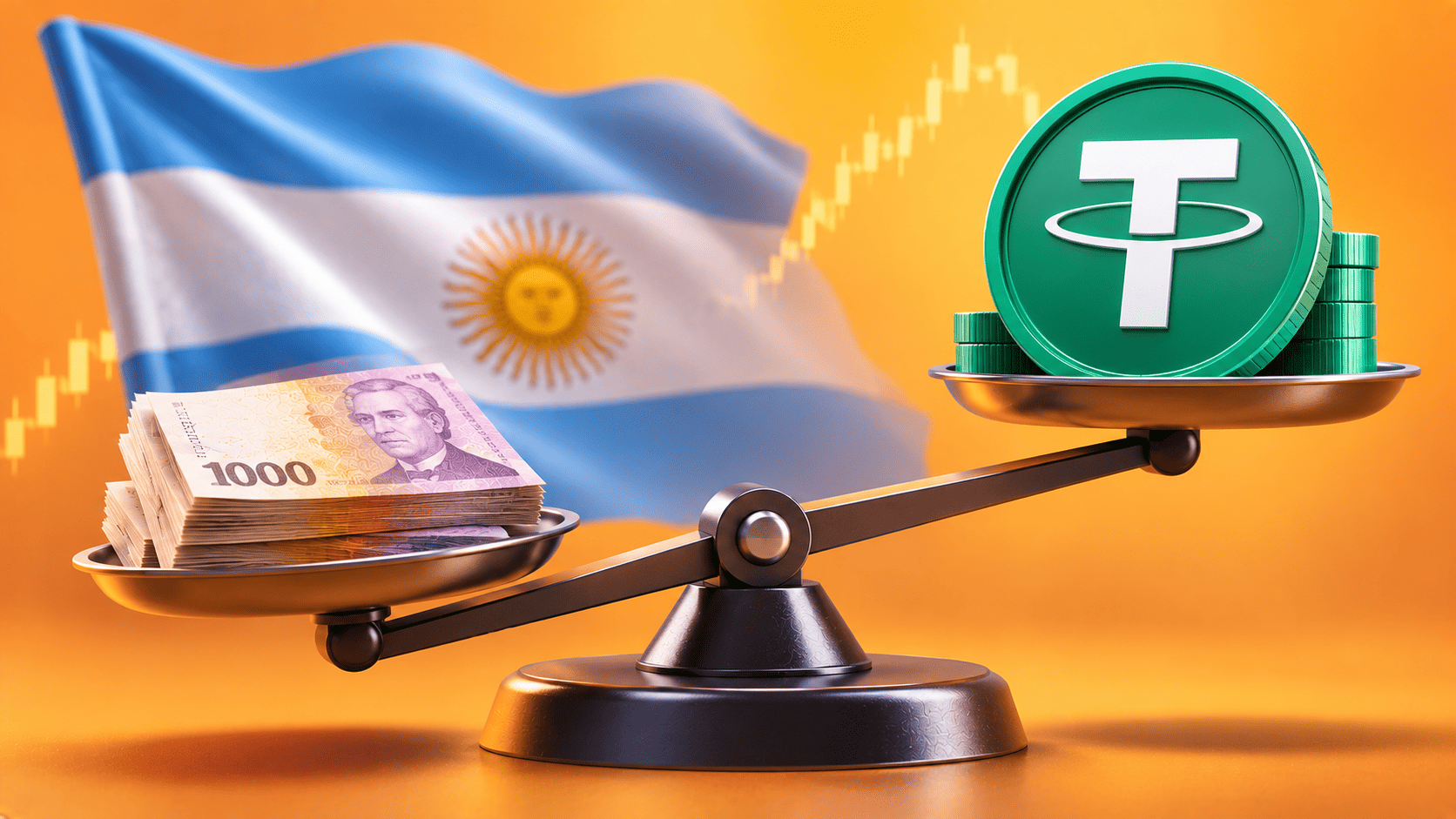
Argentines learn early to think in dollars. Decades of inflation, currency controls and sudden devaluations have taught savers at home and abroad to keep part of their money in a currency that holds its value from one month to the next.
That habit follows many expats into their betting accounts. USDT, the dollar-pegged stablecoin, has become a common way to hold a balance that stays steady while the peso moves.
Legal status comes before any funding choice, so the rules for residents and expats open the discussion. The currency question, and what stablecoins change, follows.
Legal Status Comes First
Inside Argentina, online betting requires an operator licensed by a province or by the City of Buenos Aires. Offshore crypto sportsbooks lack that licence, so residents should use a local operator whatever currency they prefer.
Argentines living abroad follow the gambling law of their country of residence. Tax rules on winnings also depend on that country, so expats should check both before funding any account.
Why the Peso Pushes Expats Toward Dollars
The peso has lost value repeatedly over the past two decades. Argentina replaced its strict currency controls with a managed band in 2025 and, according to central bank material, ties that band to inflation from 2026, yet many families treat the dollar as their reference currency.
Expats who send money home or keep peso savings feel those swings directly. Expats who hold a betting balance in a dollar stablecoin avoid converting back and forth with every move in the exchange rate.
Deposit route
Value over a season
Common friction
Pesos via local card
Moves with the exchange rate
Card blocks and conversion costs abroad
Bitcoin or Ether
Swings with crypto prices
Winnings can shrink before withdrawal
USDT
Pegged to the US dollar
Network choice and exchange spreads
USDC
Pegged to the US dollar
Fewer networks at some casinos
Last verified: October 2026
Bitzo's guide to betting with stablecoins in place of Bitcoin compares the two approaches for football bettors.
Stablecoins Bring Their Own Risks
Every dollar peg depends on the issuer's reserves and on market confidence. Pegs have wobbled briefly during market stress, and exchanges charge spreads when converting between pesos, euros and USDT.
Stablecoins also leave a public record on-chain. Their value lies in price stability for a bankroll, so bettors should treat them as a currency choice and keep records for tax purposes.
The Right USDT Network
USDT moves across several blockchains, and sending it on a network the cashier does not support can lose the deposit. Tron, Ethereum and BNB Chain each charge different fees.
Bitzo's comparison of TRC20 and ERC20 shows which USDT network tends to cost less for betting deposits.
A Bankroll in Dollars
Stable value makes a bankroll easier to plan. Bettors can set unit sizes in dollars and track results over a season without the exchange rate distorting the picture.
Bitzo's piece on bankroll basics covers unit sizes and limits for crypto bettors who use stablecoins.
Dexsport's Stablecoin Cashier
Dexsport accepts USDT on 15 routes, including Binance Pay, and USDC on 10, across 26 networks in total. Confirm current options on the platform before depositing, since supported coins and networks change.
Before a withdrawal, Dexsport's terms ask players to stake each deposit once at odds of 1.3 or higher, or twice in casino games, and bets settled through Cash Out do not count. Weekly cashback at Dexsport pays out in stablecoins, and its prediction markets settle only in stablecoins.
Dexapp LTD operates Dexsport under an Anjouan licence, without an Argentine licence, so the platform suits only expats in countries where local law allows it.
Conclusion
Argentine expats often fund betting balances in USDT because decades of peso swings have made the dollar their reference currency. Stablecoin balances keep value steady across a season and make unit sizes easier to plan.
Stablecoins bring risks of their own, from issuer reserves to network choice and exchange spreads, and they leave a public record on-chain. The right network choice avoids lost deposits.
Residents of Argentina should use provincially licensed operators. Expats need to check the law and tax rules where they live, bet only once they reach legal age and remember that KYC or AML checks may apply.
Disclaimer: The information here is provided for general purposes only and is not legal, tax, investment, or financial advice. Exchange-rate policy, stablecoin pegs, supported networks and licences change over time and vary by country. Residents of Argentina should use operators licensed in their province. Stablecoins involve issuer and market risk, and winnings may be taxable where you live. Betting involves risk, and rules vary by country, so check the law where you live. Please bet responsibly, within your means, and only if you are of legal age.
0
0

 Manage all your crypto, NFT and DeFi from one place
Securely connect the portfolio you’re using to start.


