
Apollo III Bitcoin Miner Reaches Micro Center Stores

0
0
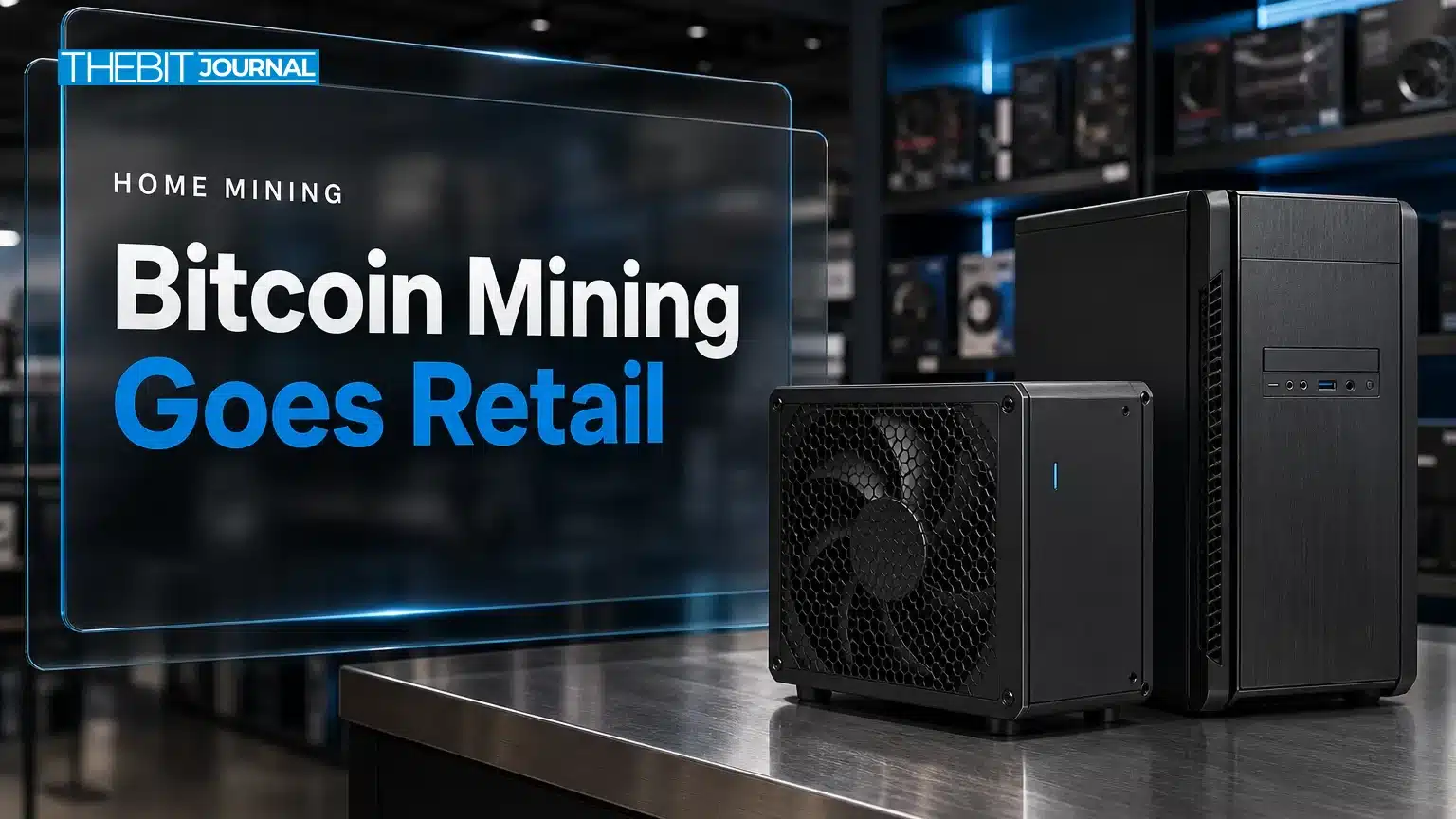
The Apollo III Bitcoin miner went on sale at four Micro Center stores on November 13, bringing FutureBit’s home mining and full-node hardware to physical retail for the first time. The locations are Brooklyn, Miami, Tustin, California, and Austin, where the sale coincided with Micro Center’s new-store opening.
Customers can reserve a unit online for pickup. FutureBit did not say how many units each store had in stock. Bitcoin Magazine reported that customers can inspect the hardware, ask how it works, and carry it out the same day.
- The Apollo III Full Node combines a Bitcoin miner and full node in a compact desktop device.
- Micro Center lists its 1 TB Full Node model at $1,399.99.
- FutureBit lists up to 18 terahashes per second in Turbo mode, with lower-power Eco options.
- The four-store launch is FutureBit’s first physical retail sale.
- At 18 TH/s, a single Apollo III is a small share of the Bitcoin network, and expected solo-block waits at recent difficulty can stretch to centuries.
Timeline of the Apollo III Bitcoin miner launch
- February 24, 2026: FutureBit announced the Apollo III as a home miner and full node. The company described it as using 3-nanometer, American-engineered ASICs, with up to 18 TH/s and integrated solo mining.
- October 26, 2026: Bitcoin Magazine reported that a FutureBit Apollo miner found block 973,262. Bitcoin.com News later called it the fourth documented solo block attributed to FutureBit hardware and the first since March 2025.
- November 12, 2026: FutureBit announced the retail launch in a release carried by PR Newswire.
- November 13, 2026: The Apollo III went on sale at the four stores. Micro Center said Austin was its 31st U.S. store and third in Texas.
What the Apollo III Bitcoin miner changes
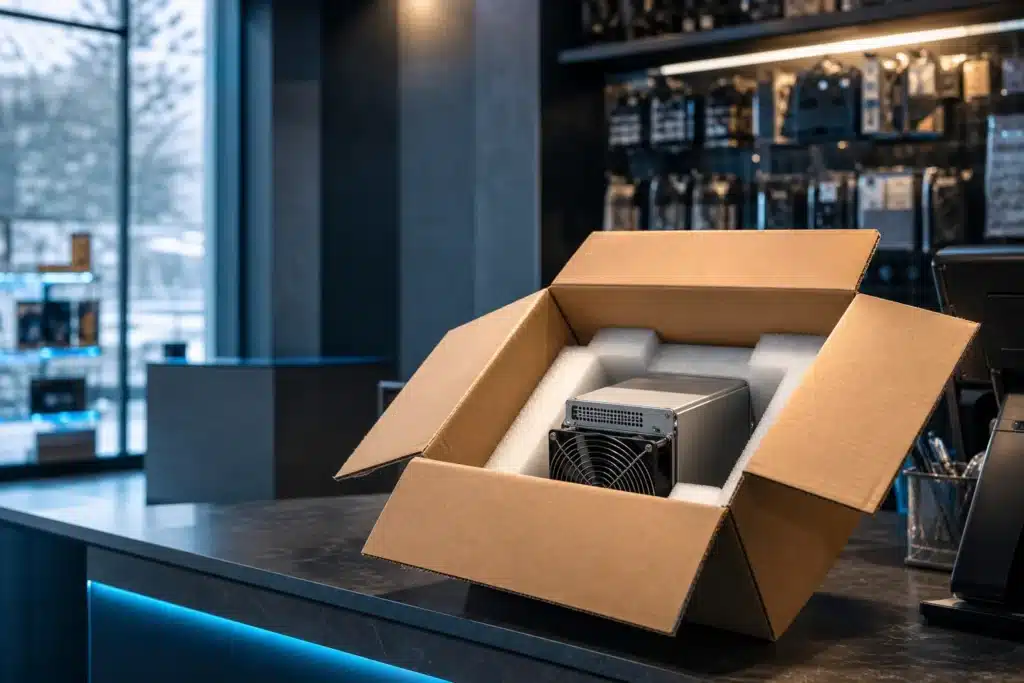
The main change is how customers can buy the machine. Previously, North American buyers had to order from FutureBit’s website. Bitcoin Magazine reported that FutureBit said units were in stock and typically shipped within two to three days. Retail sales offer a chance to see the hardware and, if available, take it home the same day.
FutureBit founder John Stefanopoulos called the launch a personal milestone, according to comments reported by Bitcoin Magazine. He recalled visiting the Brooklyn Micro Center’s DIY electronics section to buy parts and said customers can now leave that store with a miner designed nearby.
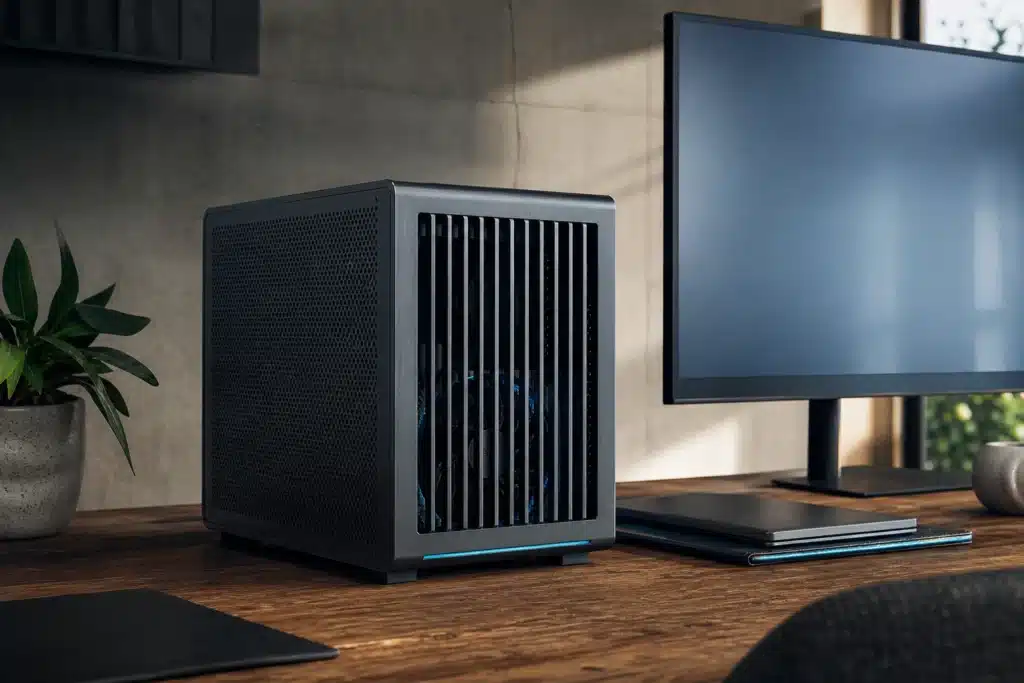
Bitcoin Magazine describes the device as a 6.5-by-6.5-by-6-inch cube weighing 6.5 pounds. FutureBit lists an 8-core ARM A76 controller, 8 GB of LPDDR5 memory, two SSD bays, and Apollo OS 2.1. The company says an SSD is required for full-node and solo-mining features, but it isn’t included in the $1,099.99 base Full Node configuration.
Prices depend on configuration and seller. FutureBit lists the Full Node at $1,099.99 without storage, $1,299.99 with a 1 TB SSD, and $1,399.99 with 2 TB. Micro Center lists its 1 TB configuration at $1,399.99. FutureBit’s miner-only Standard model starts at $899.99 and doesn’t include a full node. The retailer’s Apollo III 1 TB product listing specifies a 10-18 TH/s hashrate and 150-375 watts of board power.
Background: home mining and the full node
The Apollo III combines a miner with a full node. It includes a built-in solo-mining pool, and FutureBit says owners can also point it at a standard Bitcoin mining pool.
The Apollo III’s maximum hashrate is a small share of the network’s total computing power. Bitcoin Magazine has noted that expected solo block times for a home setup of this scale could run into centuries at recent difficulty levels. The late-October block is a rare example, not evidence that an individual Apollo III can reliably earn mining income.
Reactions and market context
FutureBit says the retail launch aims to put more mining and node-running equipment in homes. That’s the company’s goal, not a claim that the device can compete with large mining facilities on cost. Micro Center confirms the retail channel, but neither source has announced inventory numbers or a wider rollout.
The supplied reporting doesn’t show that the launch moved Bitcoin’s price. CoinGecko recorded BTC at $68,952 at 19:13 UTC on November 13, down 3.65% over 24 hours. Alternative.me’s Fear & Greed Index was 20, classified as Extreme Fear, that day. These figures describe the broader market, not a measured response to the hardware news.
| Market measure | Reading | Time reference |
|---|---|---|
| Bitcoin price | $68,952 | November 13, 2026, 19:13 UTC |
| BTC 24-hour change | -3.65% | At the same data snapshot |
| Crypto Fear & Greed Index | 20, Extreme Fear | November 13, 2026 |
What to watch next
The first test is demand: whether the four stores sell through initial stock and whether Micro Center or FutureBit adds locations. Inventory counts and expansion plans haven’t been announced. Austin’s opening adds visibility, but doesn’t establish that the partnership will continue elsewhere.
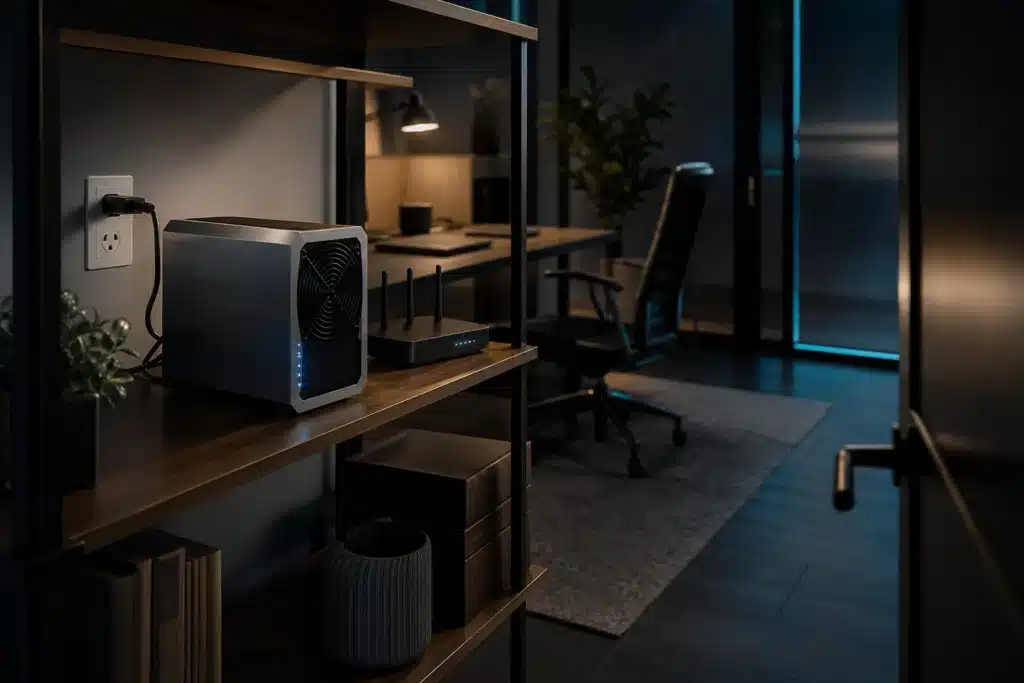
Power use is one consideration alongside Bitcoin’s price and network difficulty. FutureBit lists about 12 TH/s at 150 watts in Eco mode and up to 18 TH/s in Turbo mode. Bitcoin Magazine reported Turbo mode at about 55 decibels. FutureBit says board power measurements can vary by 10%.
A solo miner may wait a long time without finding a block. Bitcoin Magazine has said FutureBit’s goal is not to compete with industrial mines on cost. The hardware’s listed power use and noise vary by operating mode, and the full-node and solo-mining features require an SSD.
FAQ
Where can customers buy the Apollo III Bitcoin miner?
The Apollo III went on sale at Micro Center stores in Brooklyn, Miami, Tustin, and Austin on November 13. Customers can reserve a unit online for in-store pickup.
How much does the Micro Center Apollo III cost?
Micro Center lists its 1 TB Full Node configuration at $1,399.99. FutureBit’s prices vary by storage configuration, so check the retailer listing for the unit and current price.
Can a home Apollo III reliably mine a Bitcoin block?
Bitcoin Magazine said expected solo-block waits for a home setup at this scale can stretch to centuries at recent difficulty. A FutureBit Apollo miner was credited with finding a block in October 2026.
Related Articles
Sources
- FutureBit Apollo III – Sovereign Bitcoin Miner & Full Node 1TB SSD – Micro Center (www.microcenter.com)
- FutureBit’s Apollo III Bitcoin Miner Hits Micro Center Shelves in Its First Brick-and-Mortar Launch (Bitcoin Magazine)
- FutureBit brings home Bitcoin mining to Micro Center with Apollo III (www.prnewswire.com)
This article is for informational purposes only and does not constitute financial or investment advice. Cryptocurrencies are highly volatile; always do your own research before investing.
Read More: Apollo III Bitcoin Miner Reaches Micro Center Stores">Apollo III Bitcoin Miner Reaches Micro Center Stores
0
0


 Manage all your crypto, NFT and DeFi from one place
Securely connect the portfolio you’re using to start.
 Where will Bitcoin trade next?
Live Polymarket and Kalshi odds on Bitcoin price targets, compared side by side.
See Bitcoin price odds


